
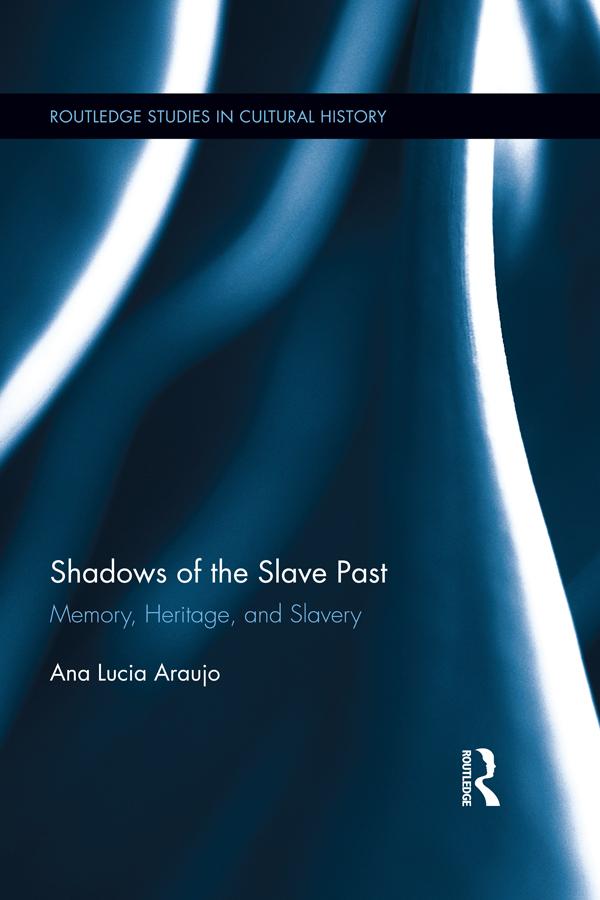
This book is a transnational and comparative study examining the processes that led to the memorialization of slavery and the Atlantic slave trade in the second half of the twentieth century. Araujo explores numerous kinds of initiatives such as monuments, memorials, and museums as well as heritage sites. By connecting different projects developed in various countries and urban centers in Europe, Africa, and the Americas during the last two decades, the author retraces the various stages of the Atlantic slave trade and slavery including the enslavement in Africa, the process of confinement in slave depots, the Middle Passage, the arrival in the Americas, the daily life of forced labor, until the fight for emancipation and the abolition of slavery. Relying on a multitude of examples from the United States, Brazil, and the Caribbean, the book discusses how different groups and social actors have competed to occupy the public arena by associating the slave past with other human atrocities, especially the Holocaust. Araujo explores how the populations of African descent, white elites, and national governments, very often carrying particular political agendas, appropriated the slave past by fighting to make it visible or conceal it in the public space of former slave societies.
Zahle einfach mit Karte, Klarna, Apple Pay oder Google Pay. Nicht zufrieden? Du hast immer ein 14-tägiges Widerrufsrecht. Lies mehr in unseren AGB. Hast du Fragen, schreib uns eine E-Mail an hello@memmo.org.
Memmo macht das Lernen einfacher – wo auch immer du bist. Bei uns findest du deine Kursbücher und smarte Lerntools an einem Ort: Zusammenfassungen, Quizzes, Podcasts und Lernkarten. Und Ted, dein Lernbuddy, beantwortet alles, was du wissen möchtest. Über 50.000 Studierende lernen bereits hier – gemacht, damit du schneller lernst und weniger Stress hast.