
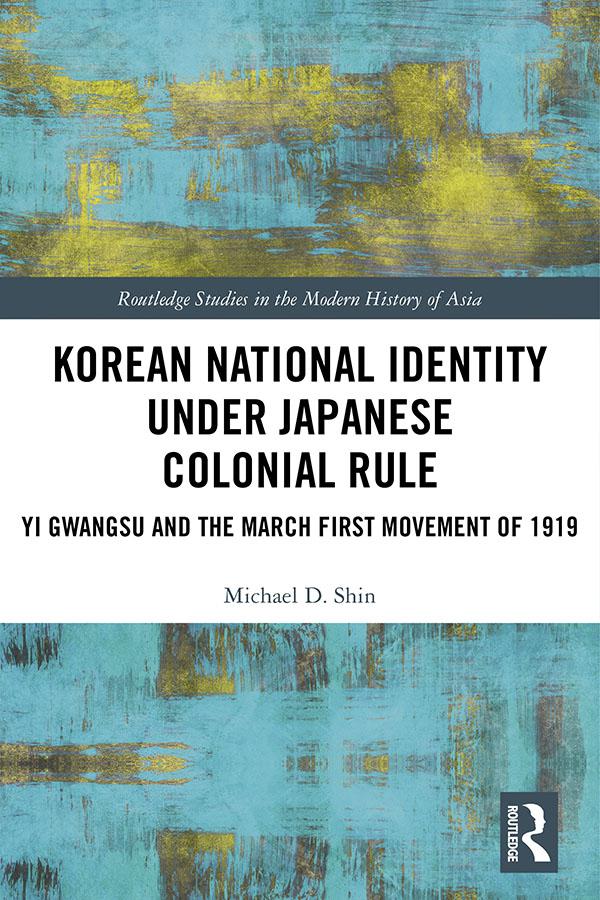
Modern Korean nationalism has been shaped by the turbulent historical forces that shook and transformed the peninsula during the twentieth century, including foreign occupation, civil war, and division. This book examines the emergence of the nation as the hegemonic form of collective identity after the March First Movement of 1919, widely seen as one of the major turning points of modern Korean history. The analysis focuses on Yi Gwangsu (1892–1950), a pioneering novelist, newspaper editor, and leader of the nationalist movement, who was directly involved in many aspects of its emergence during the Japanese occupation period. Yi Gwangsu was one of the few intellectuals who not only wrote for almost the entirety of the colonial period but who also was centrally involved in many institutions related to the production of identity. By focusing on Yi Gwangsu the book provides a different kind of historical narrative linking the various fragments of the nation, puts forward a new understanding of the March First Movement and its role in the emergence of the nation, and demonstrates how central to the emergence of the nation were the development of the print industry, the rise of a modern readership, and the emergence of a capitalist market for print. This book shows how the March First Movement catalyzed the confluence of these factors, enabling the nation to emerge as the dominant form of collective identity.
Zahle einfach mit Karte, Klarna, Apple Pay oder Google Pay. Nicht zufrieden? Du hast immer ein 14-tägiges Widerrufsrecht. Lies mehr in unseren AGB. Hast du Fragen, schreib uns eine E-Mail an hello@memmo.org.
Memmo macht das Lernen einfacher – wo auch immer du bist. Bei uns findest du deine Kursbücher und smarte Lerntools an einem Ort: Zusammenfassungen, Quizzes, Podcasts und Lernkarten. Und Ted, dein Lernbuddy, beantwortet alles, was du wissen möchtest. Über 50.000 Studierende lernen bereits hier – gemacht, damit du schneller lernst und weniger Stress hast.
Das könnte dir auch gefallen
Buch kaufen0