
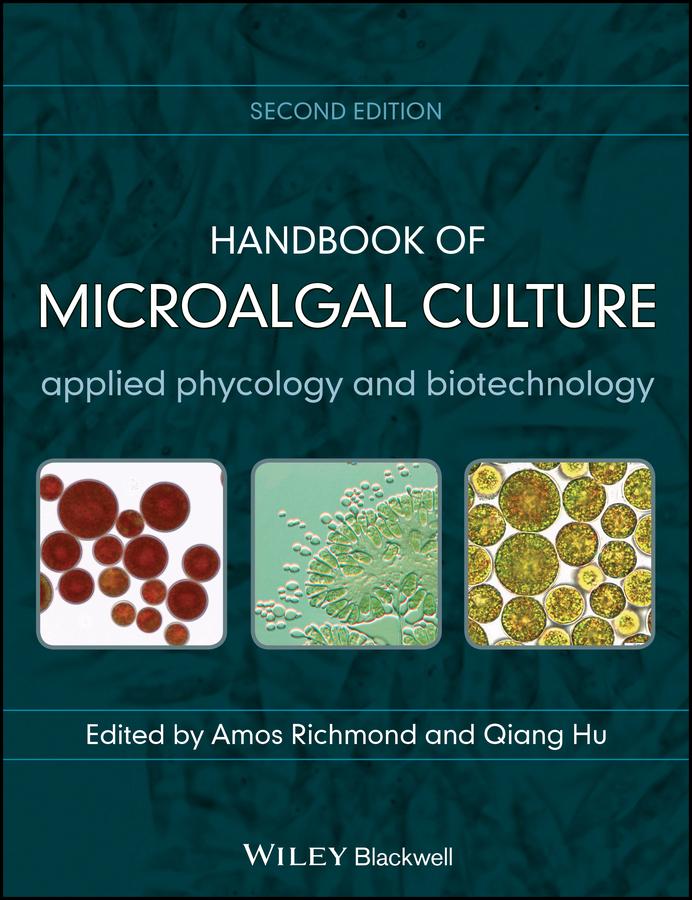
Algae are some of the fastest growing organisms in the world, with up to 90% of their weight made up from carbohydrate, protein and oil. As well as these macromolecules, microalgae are also rich in other high-value compounds, such as vitamins, pigments, and biologically active compounds, All these compounds can be extracted for use by the cosmetics, pharmaceutical, nutraceutical, and food industries, and the algae itself can be used for feeding of livestock, in particular fish, where on-going research is dedicated to increasing the percentage of fish and shellfish feed not derived from fish meal. Microalgae are also applied to wastewater bioremediation and carbon capture from industrial flue gases, and can be used as organic fertilizer.
So far, only a few species of microalgae, including cyanobacteria, are under mass cultivation. The potential for expansion is enormous, considering the existing hundreds of thousands of species and subspecies, in which a large gene-pool offers a significant potential for many new producers.
Completely revised, updated and expanded, and with the inclusion of new Editor, Qiang Hu of Arizona State University, the second edition of this extremely important book contains 37 chapters. Nineteen of these chapters are written by new authors, introducing many advanced and emerging technologies and applications such as novel photobioreactors, mass cultivation of oil-bearing microalgae for biofuels, exploration of naturally occurring and genetically engineered microalgae as cell factories for high-value chemicals, and techno-economic analysis of microalgal mass culture. This excellent new edition also contains details of the biology and large-scale culture of several economically important and newly-exploited microalgae, including Botryococcus, Chlamydomonas, Nannochloropsis, Nostoc, Chlorella, Spirulina, Haematococcus, and Dunaniella species/strains.
Edited by Amos Richmond and Qiang Hu, each with a huge wealth of experience in microalgae, its culture, and biotechnology, and drawing together contributions from experts around the globe, this thorough and comprehensive new edition is an essential purchase for all those involved with microalgae, their culture, processing and use. Biotechnologists, bioengineers, phycologists, pharmaceutical, biofuel and fish-feed industry personnel and biological scientists and students will all find a vast amount of cutting-edge information within this Second Edition. Libraries in all universities where biological sciences, biotechnology and aquaculture are studied and taught should all have copies of this landmark new edition on their shelves.
Zahle einfach mit Karte, Klarna, Apple Pay oder Google Pay. Nicht zufrieden? Du hast immer ein 14-tägiges Widerrufsrecht. Lies mehr in unseren AGB. Hast du Fragen, schreib uns eine E-Mail an hello@memmo.org.
Memmo macht das Lernen einfacher – wo auch immer du bist. Bei uns findest du deine Kursbücher und smarte Lerntools an einem Ort: Zusammenfassungen, Quizzes, Podcasts und Lernkarten. Und Ted, dein Lernbuddy, beantwortet alles, was du wissen möchtest. Über 50.000 Studierende lernen bereits hier – gemacht, damit du schneller lernst und weniger Stress hast.