
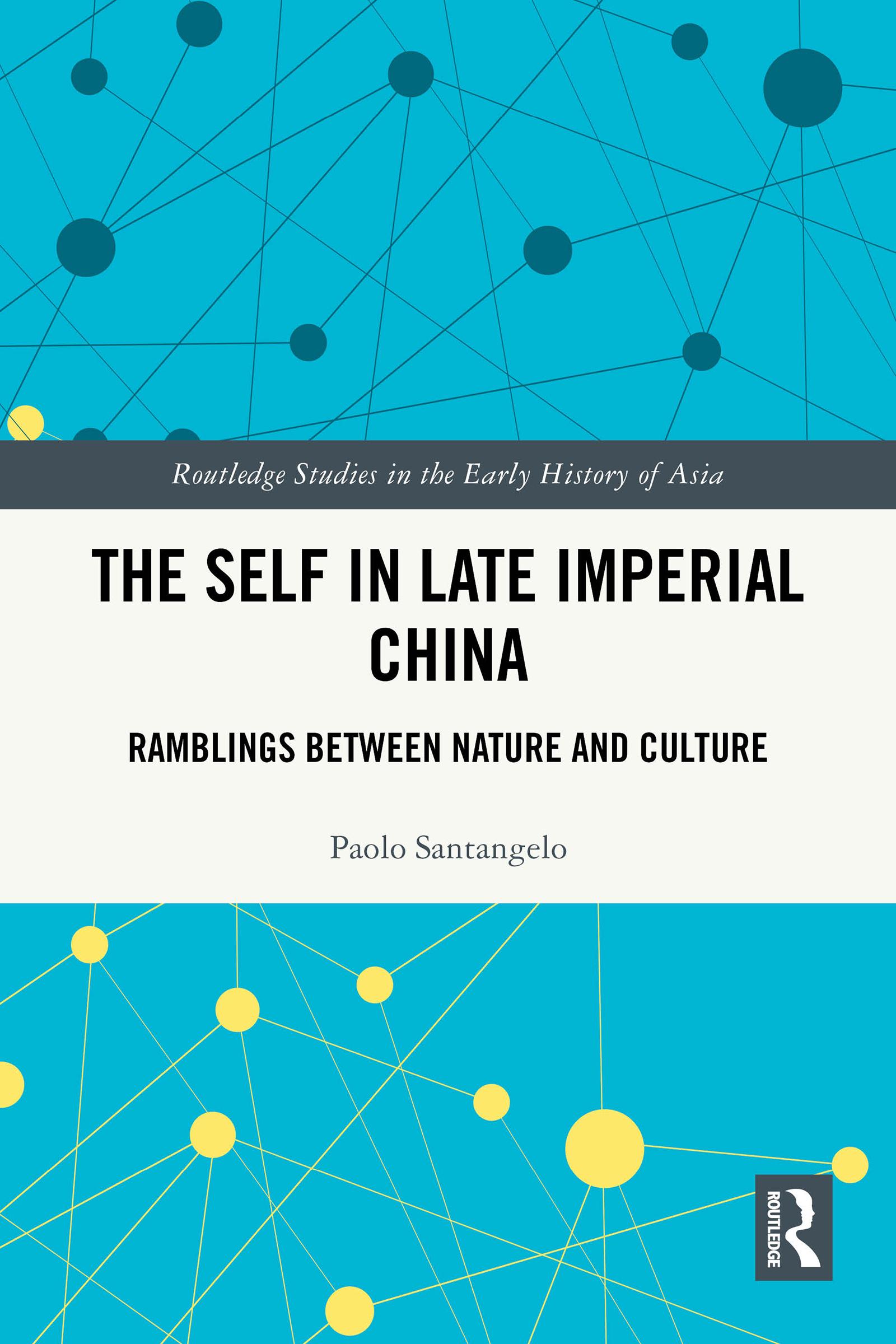
This book reflects on the representation of the self in late imperial China, prior to the influence of Western philosophical paradigms.
Examining how early modern Chinese literati and intellectuals conceived of selfhood, with particular attention to emotions, desires, moral sentiments, passions, and the embodied experience of sensory feelings, the book adopts a comparative perspective, engaging directly with Chinese sources while drawing cross-cultural parallels with debates among modern Western thinkers such as Spinoza and Nietzsche. Two key concepts anchor the analysis: the affective world—emotions and dispositions (qing)—and authenticity (zhen), which underpinned what some scholars have termed the “cult of qing.” The study explores how these ideas reshaped notions of the self, revealing tensions between natural impulses and moral cultivation.
Engaging with both Chinese sources and modern Western thinkers, this book will be a valuable resource to students and scholars of Intellectual history, Chinese history and culture, and History of ideas.
Zahle einfach mit Karte, Klarna, Apple Pay oder Google Pay. Nicht zufrieden? Du hast immer ein 14-tägiges Widerrufsrecht. Lies mehr in unseren AGB. Hast du Fragen, schreib uns eine E-Mail an hello@memmo.org.
Memmo macht das Lernen einfacher – wo auch immer du bist. Bei uns findest du deine Kursbücher und smarte Lerntools an einem Ort: Zusammenfassungen, Quizzes, Podcasts und Lernkarten. Und Ted, dein Lernbuddy, beantwortet alles, was du wissen möchtest. Über 50.000 Studierende lernen bereits hier – gemacht, damit du schneller lernst und weniger Stress hast.