
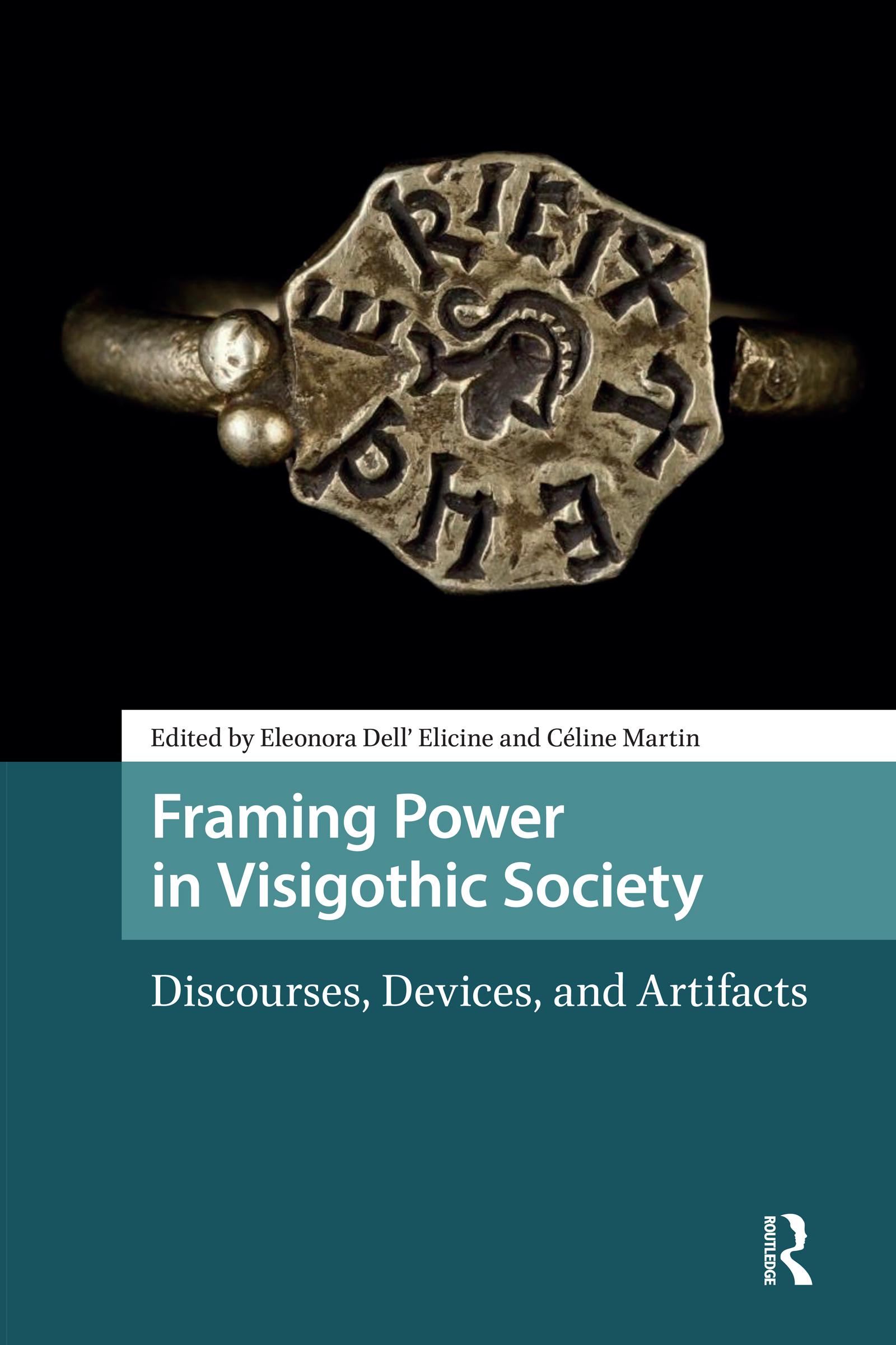
This volume examines how power was framed in Visigothic society and how a diverse population with a complex and often conflicting cultural inheritance was thereby held together as a single kingdom. Indeed, through this dynamic process a new, early medieval society emerged. Understanding this transformation is no simple matter, as it involved the deployment of an array of political and cultural resources: the production of knowledge, the appropriation of Patristic literature, controlling and administering rural populations, reconceptualizing the sacred, capital punishment and exile, controlling the manufacture of currency, and defining Visigothic society in relation to other polities such as the neighbouring Byzantine state. In order to achieve an analysis of these different phenomena, this volume brings together researchers from a variety of disciplines. This interdisciplinary approach therefore expands the available sources and reformulates topics of traditional scholarship in order to engage with a renewal of Visigothic Studies and reformulate the paradigm of study itself. As a result, this volume rethinks frameworks of power in the Peninsula along not only historical and archaeological but also anthropological terms, presenting the reader with a new understanding of Iberian society as a whole.
Zahle einfach mit Karte, Klarna, Apple Pay oder Google Pay. Nicht zufrieden? Du hast immer ein 14-tägiges Widerrufsrecht. Lies mehr in unseren AGB. Hast du Fragen, schreib uns eine E-Mail an hello@memmo.org.
Memmo macht das Lernen einfacher – wo auch immer du bist. Bei uns findest du deine Kursbücher und smarte Lerntools an einem Ort: Zusammenfassungen, Quizzes, Podcasts und Lernkarten. Und Ted, dein Lernbuddy, beantwortet alles, was du wissen möchtest. Über 50.000 Studierende lernen bereits hier – gemacht, damit du schneller lernst und weniger Stress hast.
Das könnte dir auch gefallen
Buch kaufen0