
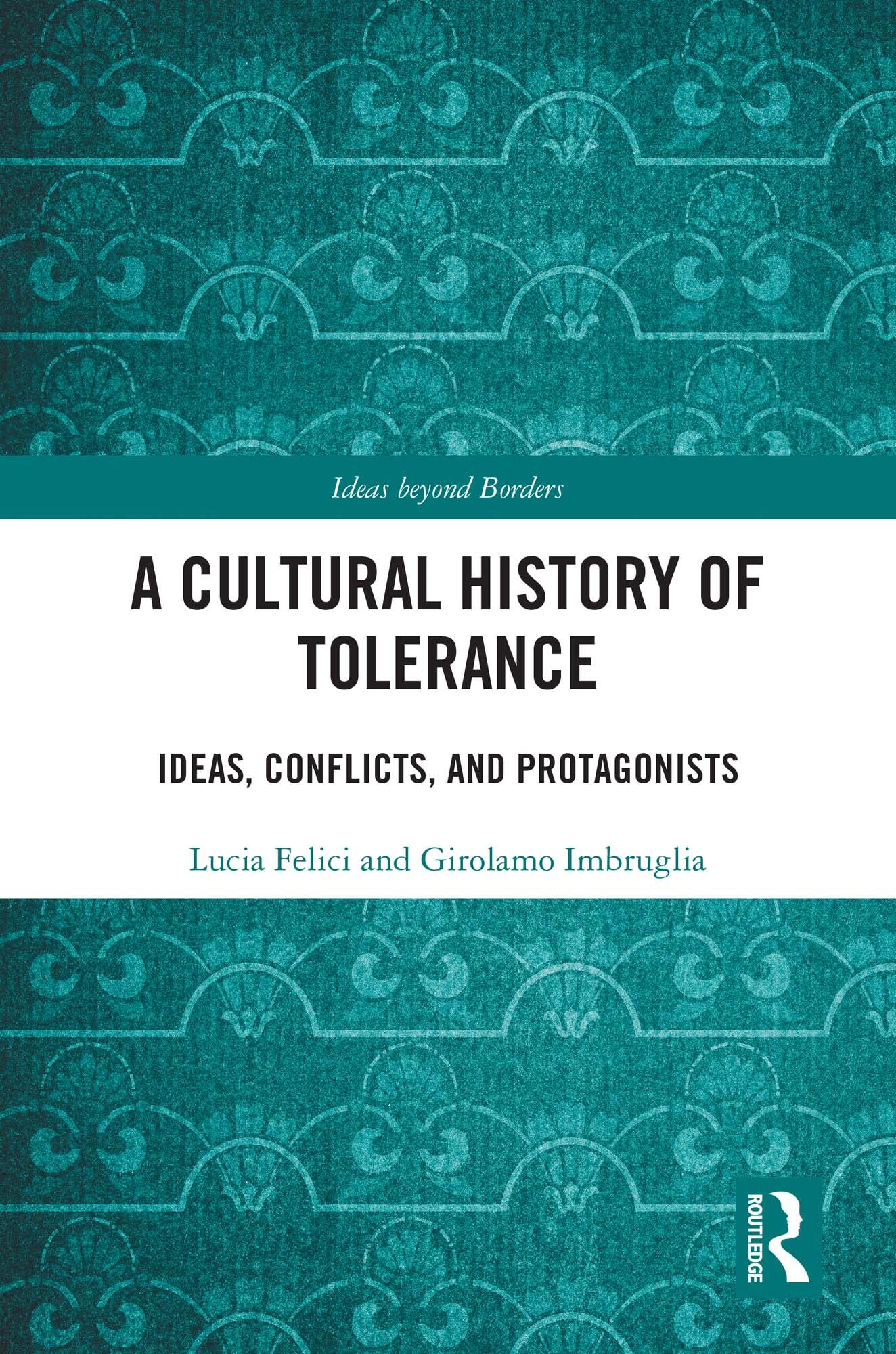
Covering the entire European system and its relations with the East and America, this first global history of tolerance in early modern Europe describes how the ideal of tolerance and its realisation transformed both the religious and political life of the modern world.
In the 16th century, Christianity was split apart by the Lutheran revolt, a fracture which would become a political one. Erasmus, Castellio, and the Socinians defended the freedom of conscience and of faith, and the right to belong to a heretical church. The violent political clashes in France, Holland, and Great Britain seemed to make the latter impossible, as the relationship between religion and politics was at the centre of those conflicts. The theory of a new politics was devised by Hobbes and developed by Spinoza and Locke: Sovereignty was not to be religious but secular, and tolerance would become civil liberty. A Cultural History of Tolerance shows how political power and religious doctrine together shaped both persecution and emerging ideas of tolerance, laying the groundwork for later debates.
This book is intended for professors, academic researchers, students, and general readers interested in early modern Europe, political ideas, and the history of religion.
Zahle einfach mit Karte, Klarna, Apple Pay oder Google Pay. Nicht zufrieden? Du hast immer ein 14-tägiges Widerrufsrecht. Lies mehr in unseren AGB. Hast du Fragen, schreib uns eine E-Mail an hello@memmo.org.
Memmo macht das Lernen einfacher – wo auch immer du bist. Bei uns findest du deine Kursbücher und smarte Lerntools an einem Ort: Zusammenfassungen, Quizzes, Podcasts und Lernkarten. Und Ted, dein Lernbuddy, beantwortet alles, was du wissen möchtest. Über 50.000 Studierende lernen bereits hier – gemacht, damit du schneller lernst und weniger Stress hast.