
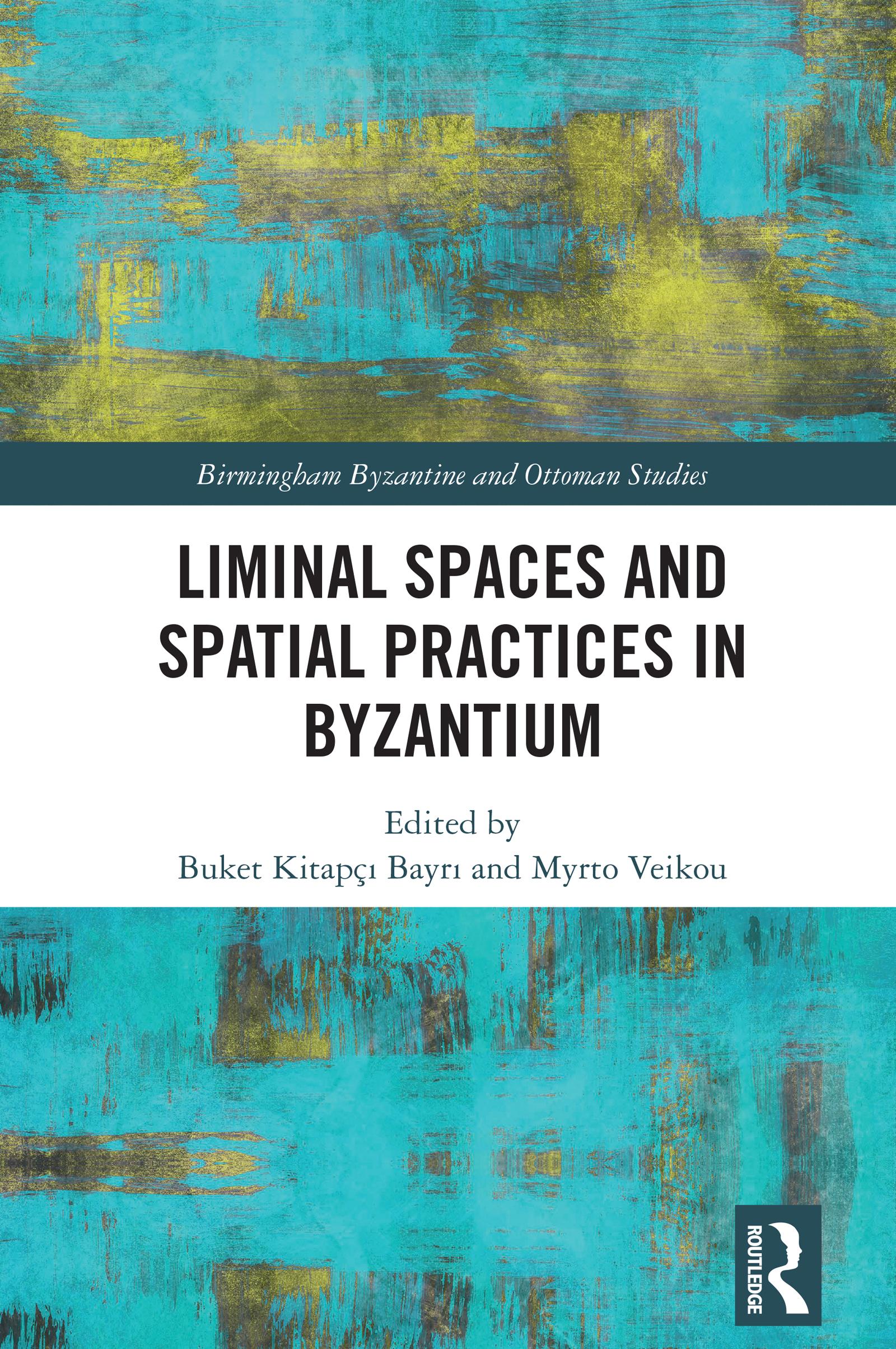
Liminal Spaces and Spatial Practices in Byzantium offers a novel twist, combining intra-/inter-disciplinary research across the humanities and social sciences by transforming two distinct disciplinary concepts (liminality from social anthropology and space from cultural geography) into methodological devices for historical investigation. The focus has been an investigation of conceptions of spatial liminality in the Byzantine world.
This book showcases alternatives to binary oppositions such as inside/outside, core/periphery, isolation/connectedness, stability/instability, known/unknown, earthly/heavenly, self/other, and good/bad through delineating liminality as an epistemological tool. In this volume, the authors were invited to offer an analysis of Byzantine spatial experiences (attested through material remains or texts) as a sort of working platform from which to assess in due course the presence of a liminal dimension in medieval spatiotemporal situations. They have sought to understand whether certain types of spaces such as rivers, deserts, islands, forests, mountains, houses, thresholds, gates, monasteries, lighthouses, and bridges accommodate–or even create–liminal situations in the eyes of the people experiencing them.
This book will appeal to students and scholars alike interested in Byzantine history and culture.
Zahle einfach mit Karte, Klarna, Apple Pay oder Google Pay. Nicht zufrieden? Du hast immer ein 14-tägiges Widerrufsrecht. Lies mehr in unseren AGB. Hast du Fragen, schreib uns eine E-Mail an hello@memmo.org.
Memmo macht das Lernen einfacher – wo auch immer du bist. Bei uns findest du deine Kursbücher und smarte Lerntools an einem Ort: Zusammenfassungen, Quizzes, Podcasts und Lernkarten. Und Ted, dein Lernbuddy, beantwortet alles, was du wissen möchtest. Über 50.000 Studierende lernen bereits hier – gemacht, damit du schneller lernst und weniger Stress hast.