
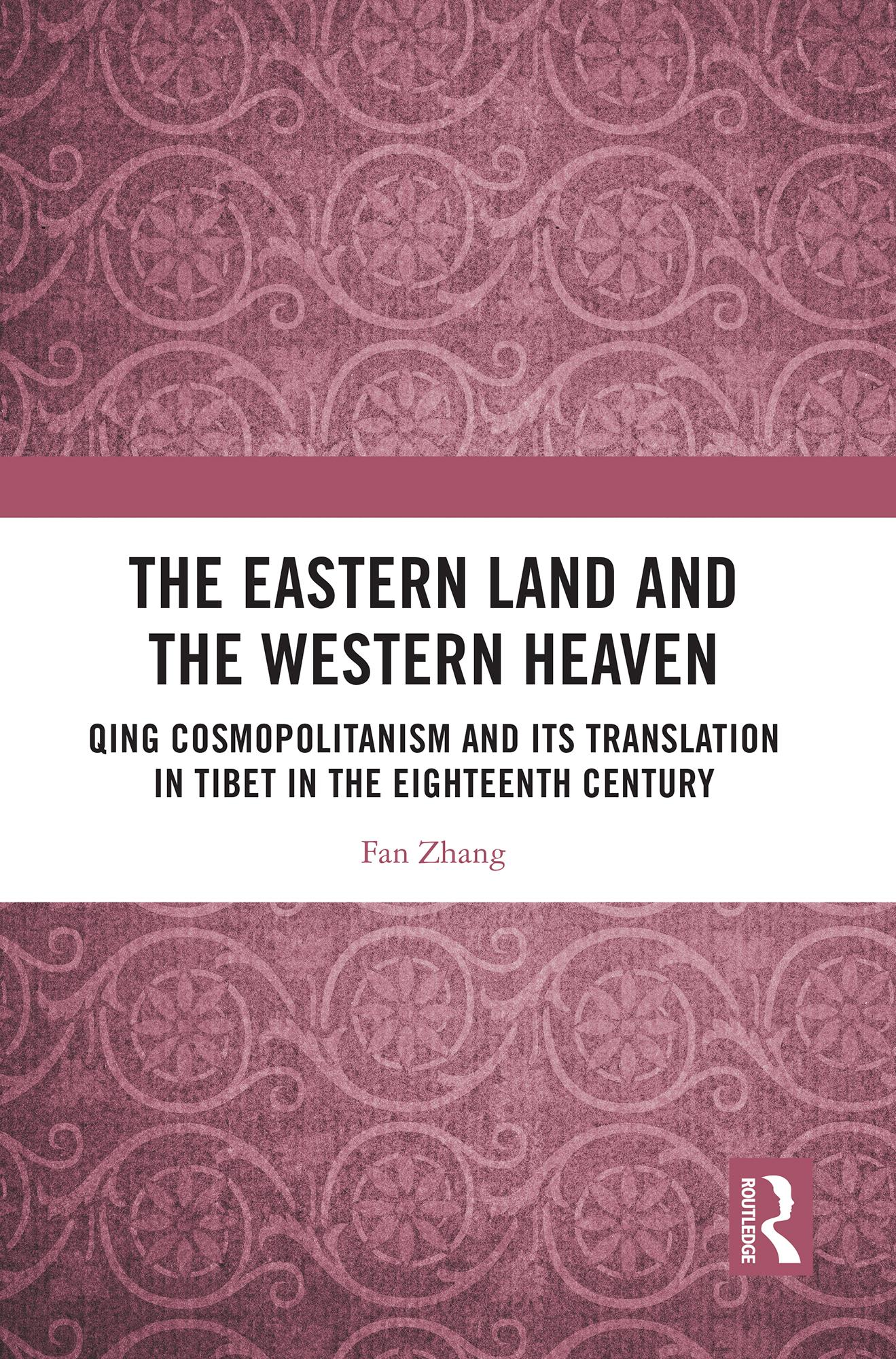
This book sheds light on the structure of “a unity with diversity” developed in the Qing imperial formation (1636–1912) by a case study of the Qing-Tibetan encounters in the eighteenth century.
By analyzing historical and ethnographical materials, the book investigates the translation of Chinese histories and stone inscriptions into Tibetan, the transformation of the landscapes at Mount Wutai and Lhasa, and the transplantation of Chinese deities and medical practices to Tibet. It demonstrates the processes in which the cosmopolitan interlocutors reified imperial integrity while expressing their diverse longings and belongings. It concludes that the Qing’s rule over its cultural others was neither simply Sinicizing nor colonizing, but a translational process in which multivocalic actors shared narratives, landscapes, and practices, while the emperor and tantric masters performed cosmic power over humans and metahumans.
This book cuts across the fields of anthropology, history, Chinese Studies, and Tibetan Studies. It reflects on the concepts of sovereignty and ethnicity, and it also extends the methodological horizon of historical anthropology.
Zahle einfach mit Karte, Klarna, Apple Pay oder Google Pay. Nicht zufrieden? Du hast immer ein 14-tägiges Widerrufsrecht. Lies mehr in unseren AGB. Hast du Fragen, schreib uns eine E-Mail an hello@memmo.org.
Memmo macht das Lernen einfacher – wo auch immer du bist. Bei uns findest du deine Kursbücher und smarte Lerntools an einem Ort: Zusammenfassungen, Quizzes, Podcasts und Lernkarten. Und Ted, dein Lernbuddy, beantwortet alles, was du wissen möchtest. Über 50.000 Studierende lernen bereits hier – gemacht, damit du schneller lernst und weniger Stress hast.