
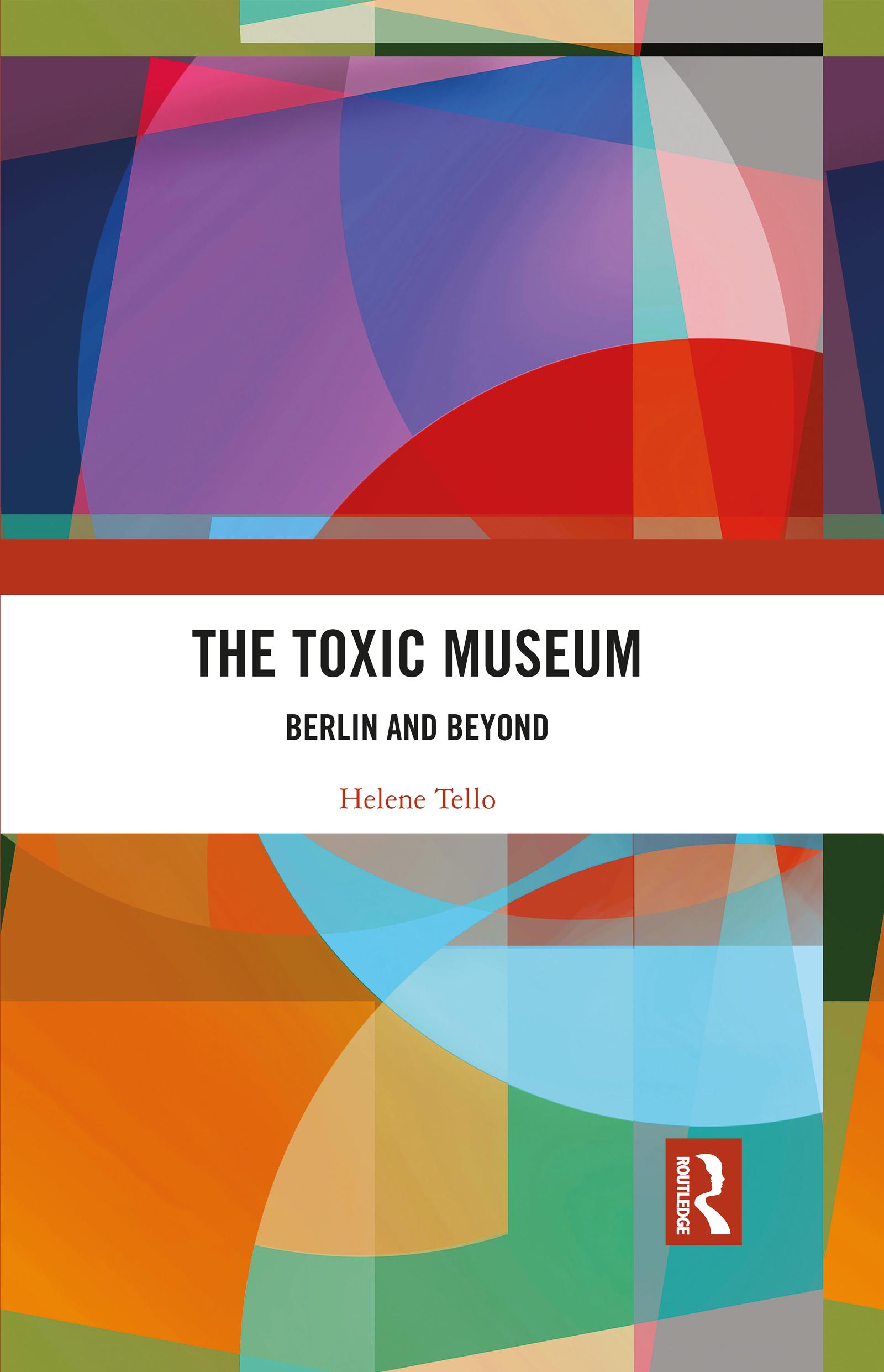
The Toxic Museum examines the use of pesticides in German museum collections at the end of the 19th and early 20th centuries.
It reconstructs the research of substances against harmful insects in museum collections within the historical context of the formation of nation-states, colonialism, a strengthening chemical industry, the First World War, and the resulting broad-based hygiene movement through the lens of the Ethnologisches Museum (Ethnological Museum) in Berlin. Because of their persistence, the consequences of the use of pesticides in museum collections are now unmistakable and well documented in many places. Numerous objects are highly contaminated and are only accessible under difficult conditions regarding occupational health and safety. This creates obstacles for conservation and scientific processing, as well as for mediation in the context of exhibitions and external loans. The most precarious and difficult situations arise when contaminated museum objects are repatriated to their countries of origin. This monograph examines contemporary challenges in the 21st century museum landscape and contextualises the history of pesticide use at the turn of the 20th century.
The Toxic Museum will be of great interest to students and scholars working in conservation, museology, monument preservation, art and cultural studies, ethnology, history, and economics.
Zahle einfach mit Karte, Klarna, Apple Pay oder Google Pay. Nicht zufrieden? Du hast immer ein 14-tägiges Widerrufsrecht. Lies mehr in unseren AGB. Hast du Fragen, schreib uns eine E-Mail an hello@memmo.org.
Memmo macht das Lernen einfacher – wo auch immer du bist. Bei uns findest du deine Kursbücher und smarte Lerntools an einem Ort: Zusammenfassungen, Quizzes, Podcasts und Lernkarten. Und Ted, dein Lernbuddy, beantwortet alles, was du wissen möchtest. Über 50.000 Studierende lernen bereits hier – gemacht, damit du schneller lernst und weniger Stress hast.