
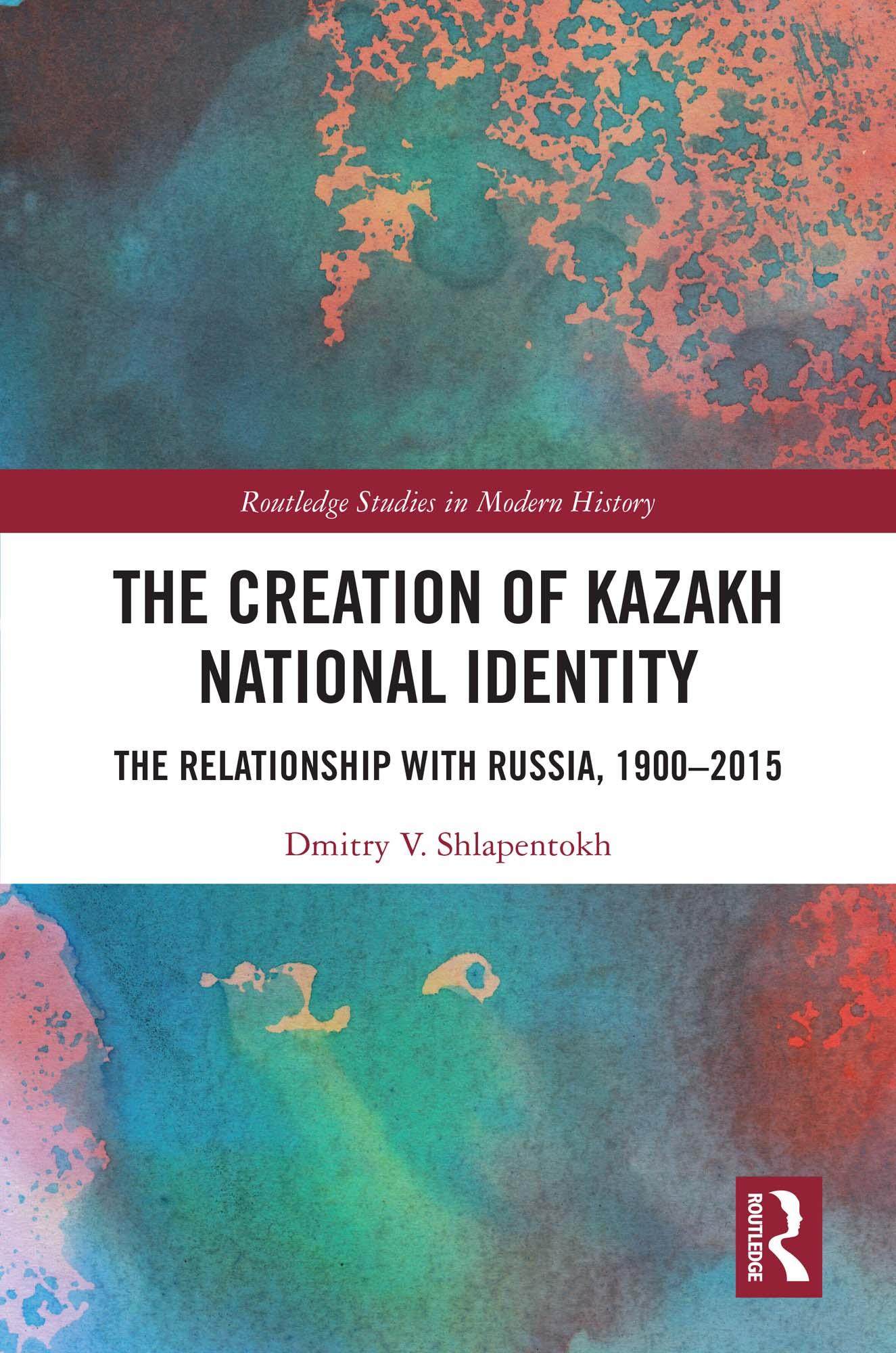
This monograph utilizes three theoretical models to explain Kazakhstan’s emergence as an independent state and its changing relationships with the broader world, particularly Russia, since the beginning of the twentieth century.
The book first explores the construction of Kazakh national identity and the ways in which intellectuals appealed to history to substantiate their claims about Kazakhstan’s future. Secondly, the narrative demonstrates that not all segments of totalitarian machinery work in unison. While terror reached its peak in the 1930s, cultural and ideological control was not as rigid as it would become in the late 1940s and early 1950s. Most importantly, the work is grounded in the study of the social universe. The book introduces the notion of “cosmos,” the peculiar connections between social, economic, and political forces. While not necessarily directly dependent on each other, they nevertheless created a unique interplay among the segments of societal structures and the state’s relationship with the wider universe. Taking this framework as the point of departure, this research analyzes Kazakhstan’s “multi-vectorism” as uniquely fit to contemporary global arrangements, when no global power dominates, and the lines between friend and foe are blurred.
This compelling approach to Kazakhstan’s history will appeal to postgraduate students and scholars in Russian history and world history.
Zahle einfach mit Karte, Klarna, Apple Pay oder Google Pay. Nicht zufrieden? Du hast immer ein 14-tägiges Widerrufsrecht. Lies mehr in unseren AGB. Hast du Fragen, schreib uns eine E-Mail an hello@memmo.org.
Memmo macht das Lernen einfacher – wo auch immer du bist. Bei uns findest du deine Kursbücher und smarte Lerntools an einem Ort: Zusammenfassungen, Quizzes, Podcasts und Lernkarten. Und Ted, dein Lernbuddy, beantwortet alles, was du wissen möchtest. Über 50.000 Studierende lernen bereits hier – gemacht, damit du schneller lernst und weniger Stress hast.