
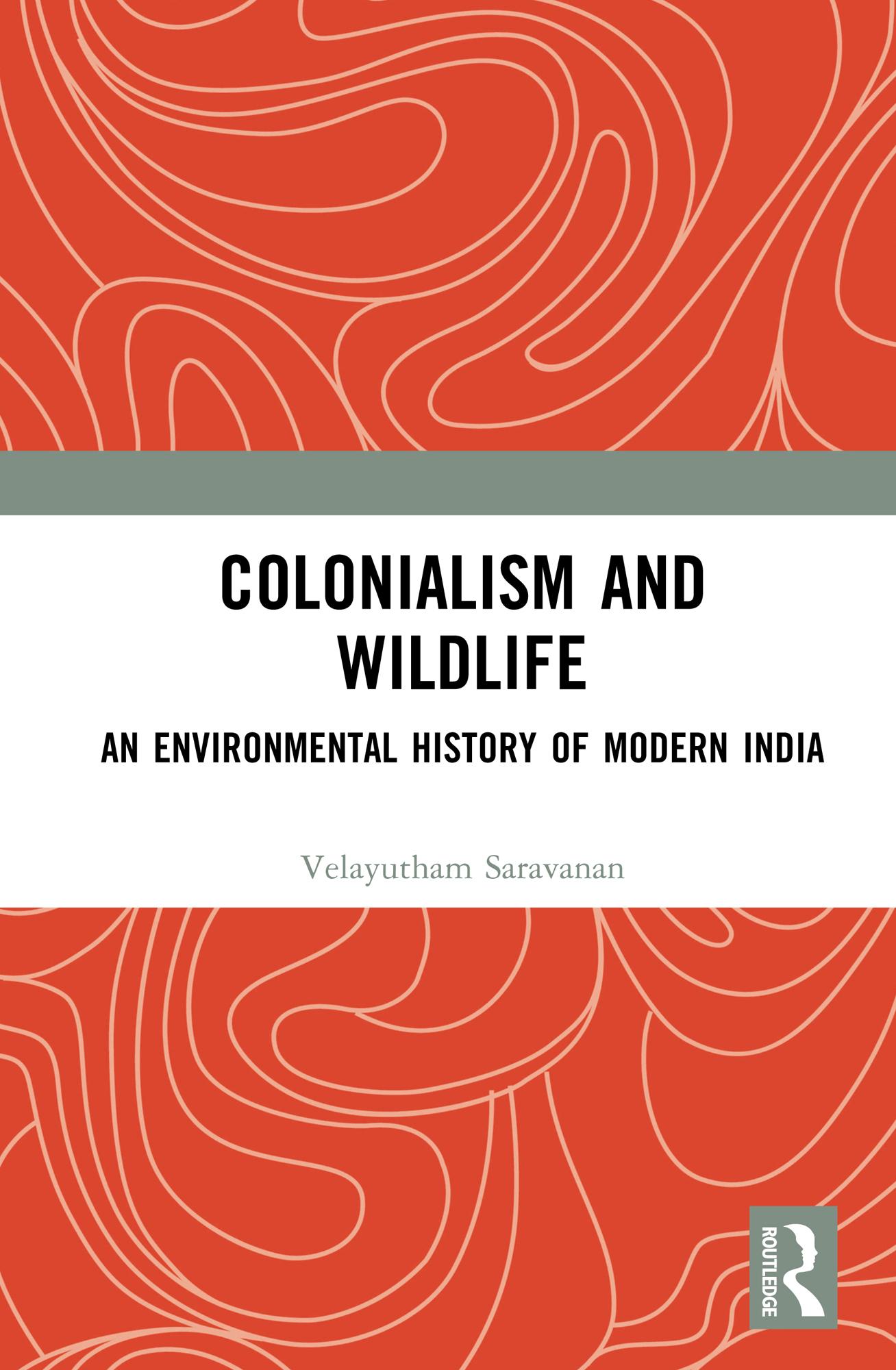
This book delves into the history of the commercialization of wildlife in India. It examines the colonial strategies that were employed in the commodification of wildlife resources specifically for lucrative domestic and international trade during the early nineteenth to the mid-twentieth century. It looks at how and why the colonial administration paid special emphasis on hunting and game sports which largely contributed to commodity capitalism in the form of taxidermy and wildlife exports. The author also critically analyses the wildlife laws and regulations promulgated by the colonial administration, such as the elephant protection act, birds and fisheries act, the forest acts, and studies how they have systematically brought wildlife under state control with a commercial motive.
An important contribution to the environmental history of India, this book is an essential interdisciplinary resource for scholars and researchers of history, colonialism, wildlife studies, economic history, ecological studies, environmental history, Indian history, South Asian studies, and development studies.
Zahle einfach mit Karte, Klarna, Apple Pay oder Google Pay. Nicht zufrieden? Du hast immer ein 14-tägiges Widerrufsrecht. Lies mehr in unseren AGB. Hast du Fragen, schreib uns eine E-Mail an hello@memmo.org.
Memmo macht das Lernen einfacher – wo auch immer du bist. Bei uns findest du deine Kursbücher und smarte Lerntools an einem Ort: Zusammenfassungen, Quizzes, Podcasts und Lernkarten. Und Ted, dein Lernbuddy, beantwortet alles, was du wissen möchtest. Über 50.000 Studierende lernen bereits hier – gemacht, damit du schneller lernst und weniger Stress hast.