
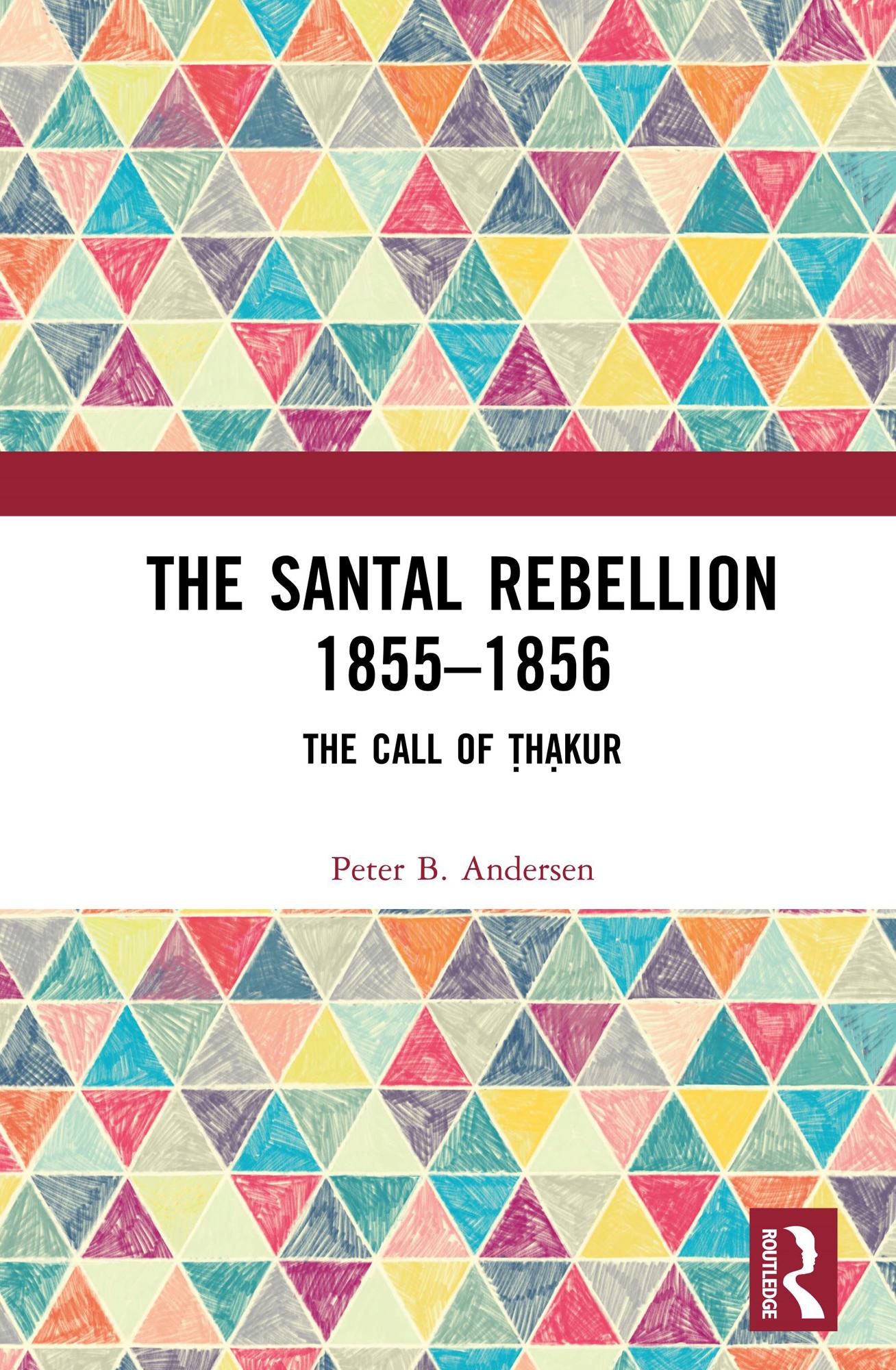
The book presents a new interpretation of the Santal Rebellion, the Hul 1855–1856, drawing on the colonial sources as well as Santal memories. It offers a critique of postcolonial approaches that overlook specifically tribal perspectives and see the Hul as a class-based peasant rebellion.
The author analyses the Hul and its participants—the Santals and their opponents, both the colonial administration and the Bengalis. He also looks at the attempts of the Hul’s leaders, Sido and Kạnhu to reform the Santal religion. Offering a new, respectful reading of the Hul’s religious legitimation, the book argues that changes in Santal religion and ethics were responses to the colonial regime’s new and aggressive economic order. The Hul’s leaders, Sido and Kạnhu, demanded the introduction of just laws based on the universal principle of equality. This historical approach leads to a call for the inclusion of the voice of tribal and Adivasi minorities when formulating politics for their development in the 21st century.
The book is relevant for researchers and students of social history, social reform, tribal and indigenous studies, postcolonial studies and South Asian studies.
Zahle einfach mit Karte, Klarna, Apple Pay oder Google Pay. Nicht zufrieden? Du hast immer ein 14-tägiges Widerrufsrecht. Lies mehr in unseren AGB. Hast du Fragen, schreib uns eine E-Mail an hello@memmo.org.
Memmo macht das Lernen einfacher – wo auch immer du bist. Bei uns findest du deine Kursbücher und smarte Lerntools an einem Ort: Zusammenfassungen, Quizzes, Podcasts und Lernkarten. Und Ted, dein Lernbuddy, beantwortet alles, was du wissen möchtest. Über 50.000 Studierende lernen bereits hier – gemacht, damit du schneller lernst und weniger Stress hast.