
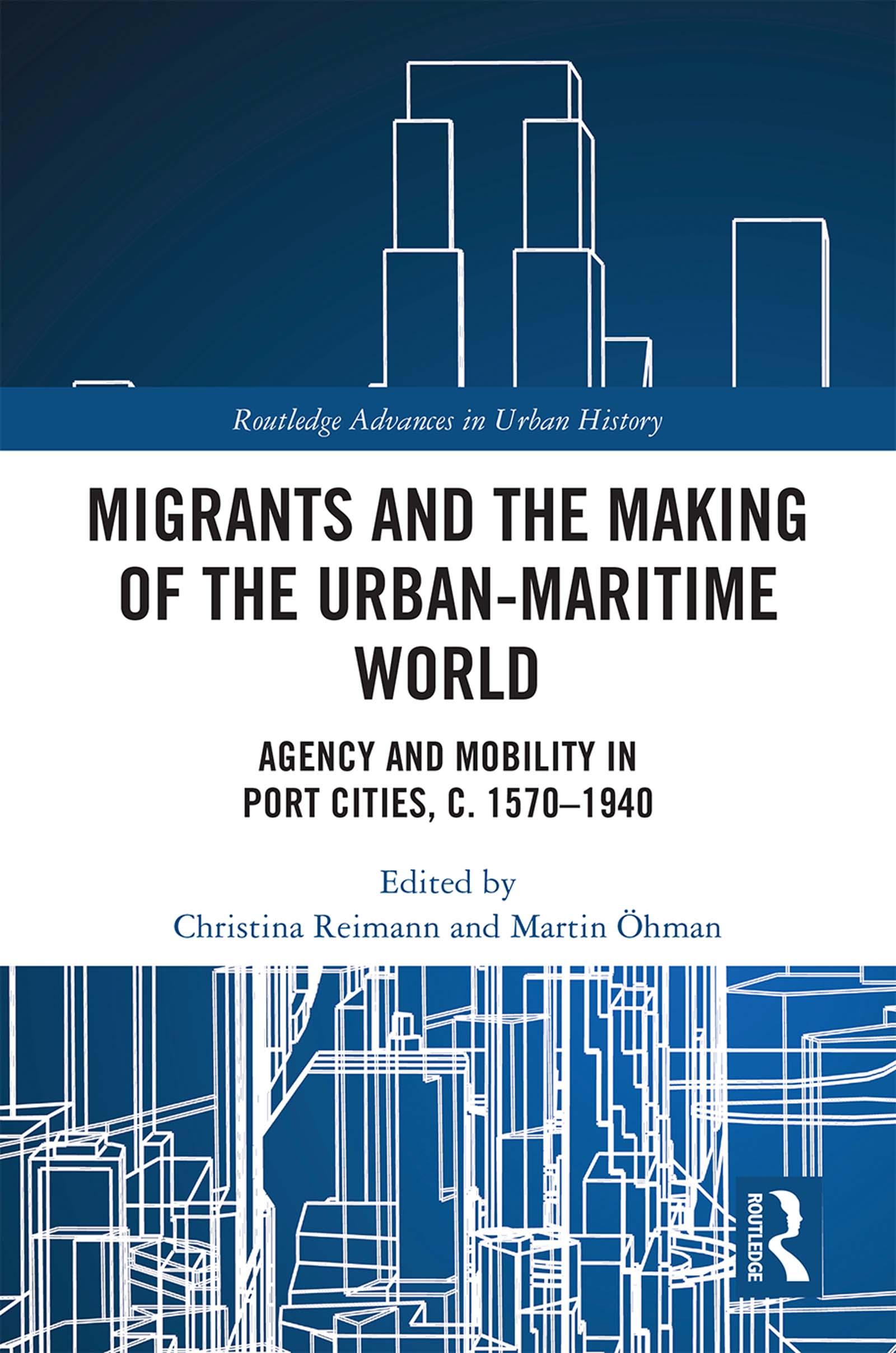
This volume explores the mutually transformative relations between migrants and port cities. Throughout the ages of sail and steam, port cities served as nodes of long-distance transmissions and exchanges. Commercial goods, people, animals, seeds, bacteria and viruses; technological and scientific knowledge and fashions all arrived in, and moved through, these microcosms of the global. Migrants made vital contributions to the construction of the urban-maritime world in terms of the built environment, the particular sociocultural milieu, and contemporary representations of these spaces. Port cities, in turn, conditioned the lives of these mobile people, be they seafarers, traders, passers-through, or people in search of a new home. By focusing on migrants—their actions and how they were acted upon—the authors seek to capture the contradictions and complexities that characterized port cities: mobility and immobility, acceptance and rejection, nationalism and cosmopolitanism, diversity and homogeneity, segregation and interaction.
The book offers a wide geographical perspective, covering port cities on three continents. Its chapters deal with agency in a widened sense, considering the activities of individuals and collectives as well as the decisive impact of sailing and steamboats, trains, the built environment, goods or microbes in shaping urban-maritime spaces.
Zahle einfach mit Karte, Klarna, Apple Pay oder Google Pay. Nicht zufrieden? Du hast immer ein 14-tägiges Widerrufsrecht. Lies mehr in unseren AGB. Hast du Fragen, schreib uns eine E-Mail an hello@memmo.org.
Memmo macht das Lernen einfacher – wo auch immer du bist. Bei uns findest du deine Kursbücher und smarte Lerntools an einem Ort: Zusammenfassungen, Quizzes, Podcasts und Lernkarten. Und Ted, dein Lernbuddy, beantwortet alles, was du wissen möchtest. Über 50.000 Studierende lernen bereits hier – gemacht, damit du schneller lernst und weniger Stress hast.