
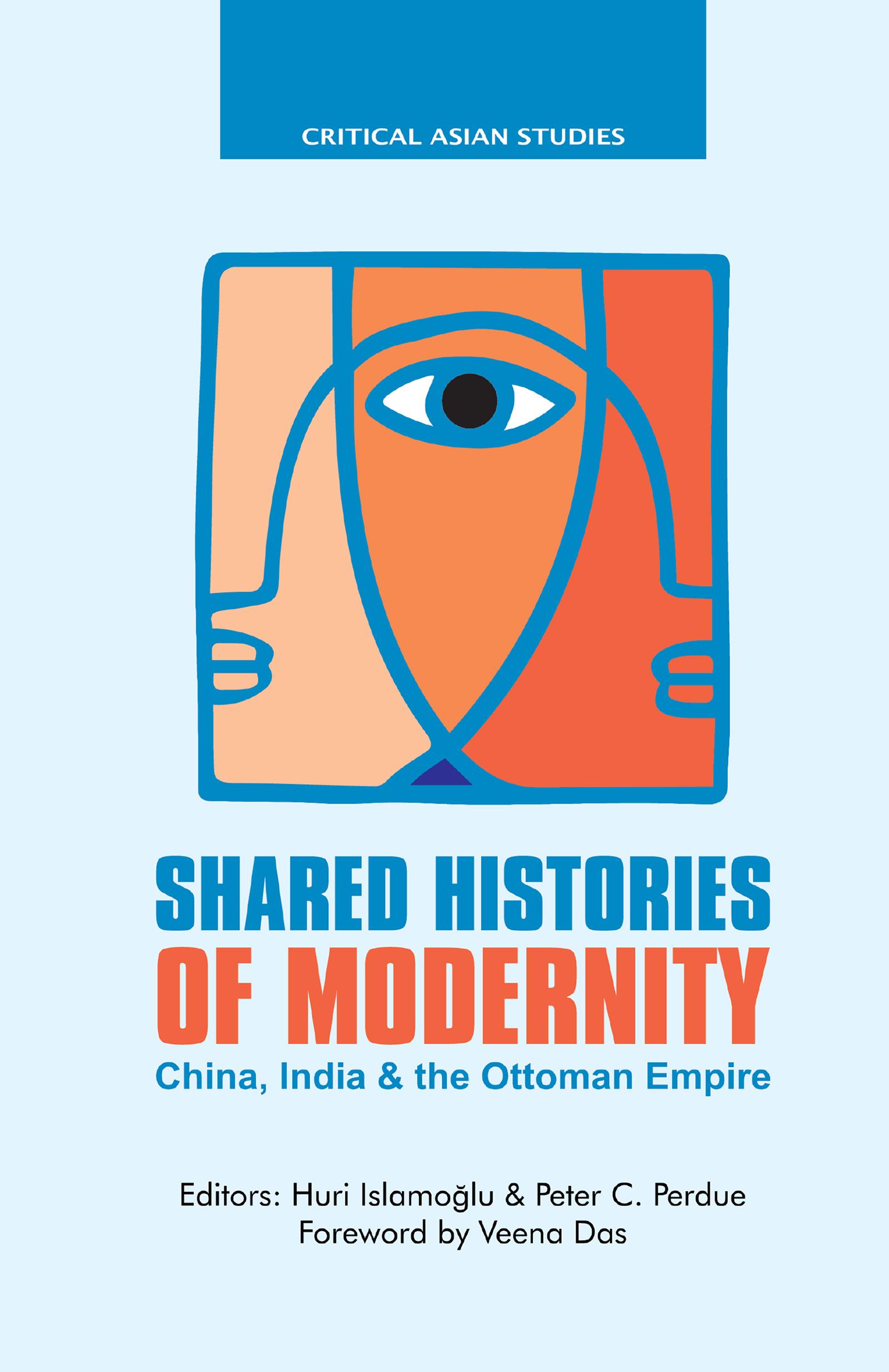
While pre-modernity is often considered to be the 'time' of non-European regions and modernity is seen as belonging to the West, this book seeks to transcend the temporal bifurcation of that world history into 'pre-modern' and 'modern', as well as question its geographical split into two irreconcilable trajectories: the European and the non-European. The book examines shared experiences of modern transformation or modernity in three regions -- China, India and the Ottoman Empire -- which conventional historiography identifies as non-European, and therefore, by implication, outside of modernity or only tangentially linked to it as its victim. In other words, this work looks at modernity without reference to any 'idealised' criteria of what qualifies as 'modern' or not, studying the negotiation and legacies of the early modern period for the modern nation state. It focuses on the experience of modernity of non-European regions for they play a crucial role in the new phase of transformational patterns may have deeper roots than are generally assumed.
Rejecting European characterisations of 'eastern' states as Oriental despotisms, the volume conceives of the early modern state as a negotiated enterprise, one that questions the assumption that state centralisation must be a key metric of success in modernisation. Among other topics, the book highlights: state formations in the three empires; legislation pertaining to taxation, property, police reform, the autonomy of legal sphere, the interaction of different types of law, law's role in governance, administrative practice, negotiated settlements and courts as sites of negotiation, the blurred boundaries between formal law and informal mediation; the ability of 18th century Qing and Ottoman imperial governments to accommodate diverse local particularities within an overreaching structure; and the pattern of regional development pointing to the accommodative institutional capacity of the Mughal empire.<
Zahle einfach mit Karte, Klarna, Apple Pay oder Google Pay. Nicht zufrieden? Du hast immer ein 14-tägiges Widerrufsrecht. Lies mehr in unseren AGB. Hast du Fragen, schreib uns eine E-Mail an hello@memmo.org.
Memmo macht das Lernen einfacher – wo auch immer du bist. Bei uns findest du deine Kursbücher und smarte Lerntools an einem Ort: Zusammenfassungen, Quizzes, Podcasts und Lernkarten. Und Ted, dein Lernbuddy, beantwortet alles, was du wissen möchtest. Über 50.000 Studierende lernen bereits hier – gemacht, damit du schneller lernst und weniger Stress hast.