
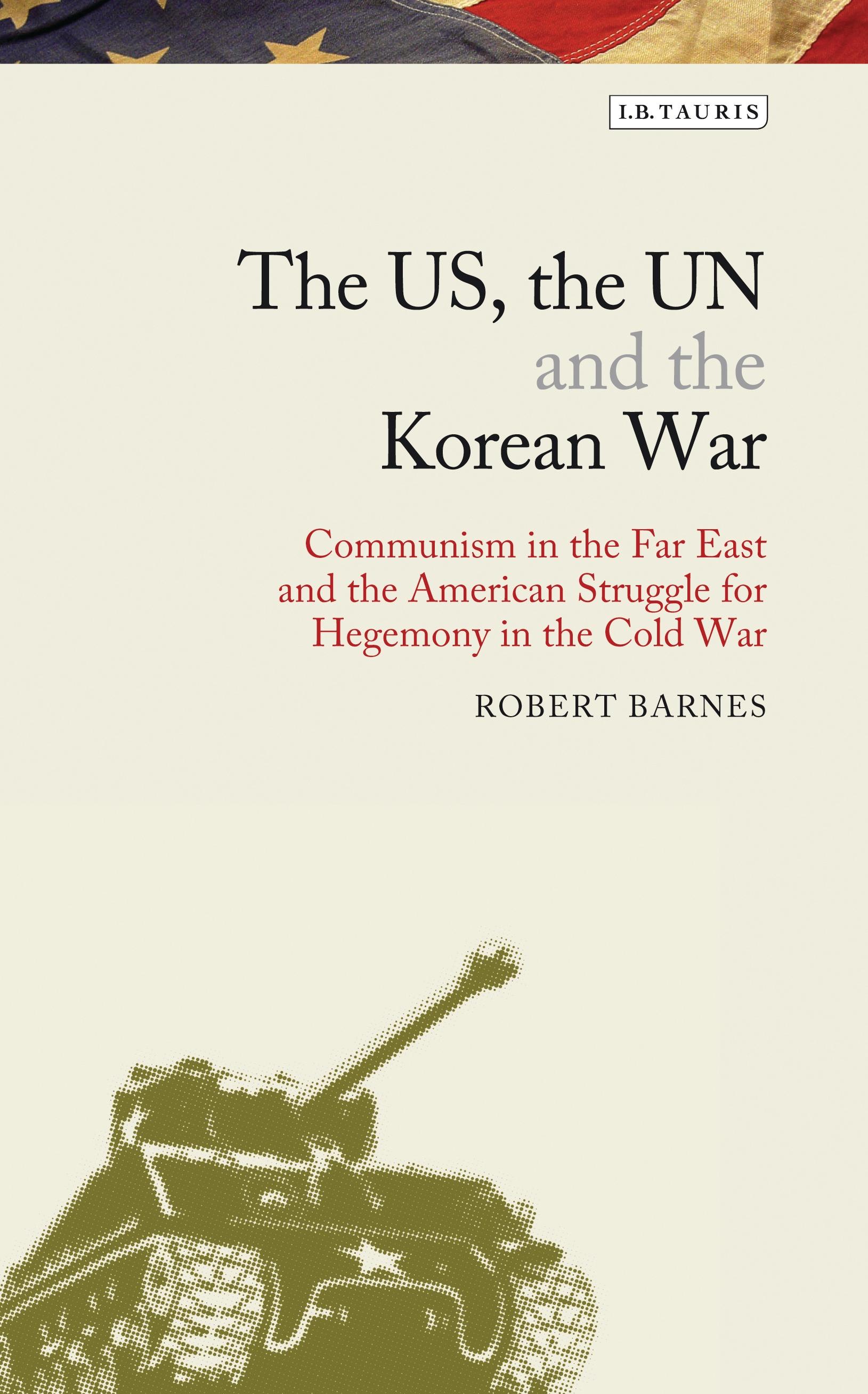
Military, social and economic historians have long appreciated the significance of the conflict in Korea in shaping the post-war world. The policy of containment was formed, China was established as an important military power, and the US increased its military expenditure fourfold as a result of a conflict which killed over 33,000 Americans. What has been less appreciated is the role played by the United Nations and the British Commonwealth in influencing US strategy at this time of crisis: the Truman administration invested time and effort into gaining UN approval for the conflict in Korea, and the course of the war was adapted to keep UN allies, often holding crucial strategic positions in other Cold War theatres, in tow. Robert Barnes develops a fresh perspective on these fluctuating relationships, the tensions between Washington and its British Commonwealth allies and their impact on the direction of the conflict in order to challenge the common view that the United States was able to use its dominant position within the UN to pursue its Cold War ambitions with impunity.
This important new interpretation is supported by evidence from a wealth of sources, from official government records to private papers and memoirs written by the most important American and Commonwealth personalities directly involved in shaping the UN's response to the conflict. This study presents a thorough deconstruction of the decision-making process behind US handling of the Korean War from the outbreak of conflict in 1950 to the Geneva Conference of 1954. This will be essential reading for students of International Relations, Cold War Studies and modern History.
This important new interpretation is supported by evidence from a wealth of sources, from official government records to private papers and memoirs written by the most important American and Commonwealth personalities directly involved in shaping the UN's response to the conflict. This study presents a thorough deconstruction of the decision-making process behind US handling of the Korean War from the outbreak of conflict in 1950 to the Geneva Conference of 1954. This will be essential reading for students of International Relations, Cold War Studies and modern History.
Zahle einfach mit Karte, Klarna, Apple Pay oder Google Pay. Nicht zufrieden? Du hast immer ein 14-tägiges Widerrufsrecht. Lies mehr in unseren AGB. Hast du Fragen, schreib uns eine E-Mail an hello@memmo.org.
Memmo macht das Lernen einfacher – wo auch immer du bist. Bei uns findest du deine Kursbücher und smarte Lerntools an einem Ort: Zusammenfassungen, Quizzes, Podcasts und Lernkarten. Und Ted, dein Lernbuddy, beantwortet alles, was du wissen möchtest. Über 50.000 Studierende lernen bereits hier – gemacht, damit du schneller lernst und weniger Stress hast.