
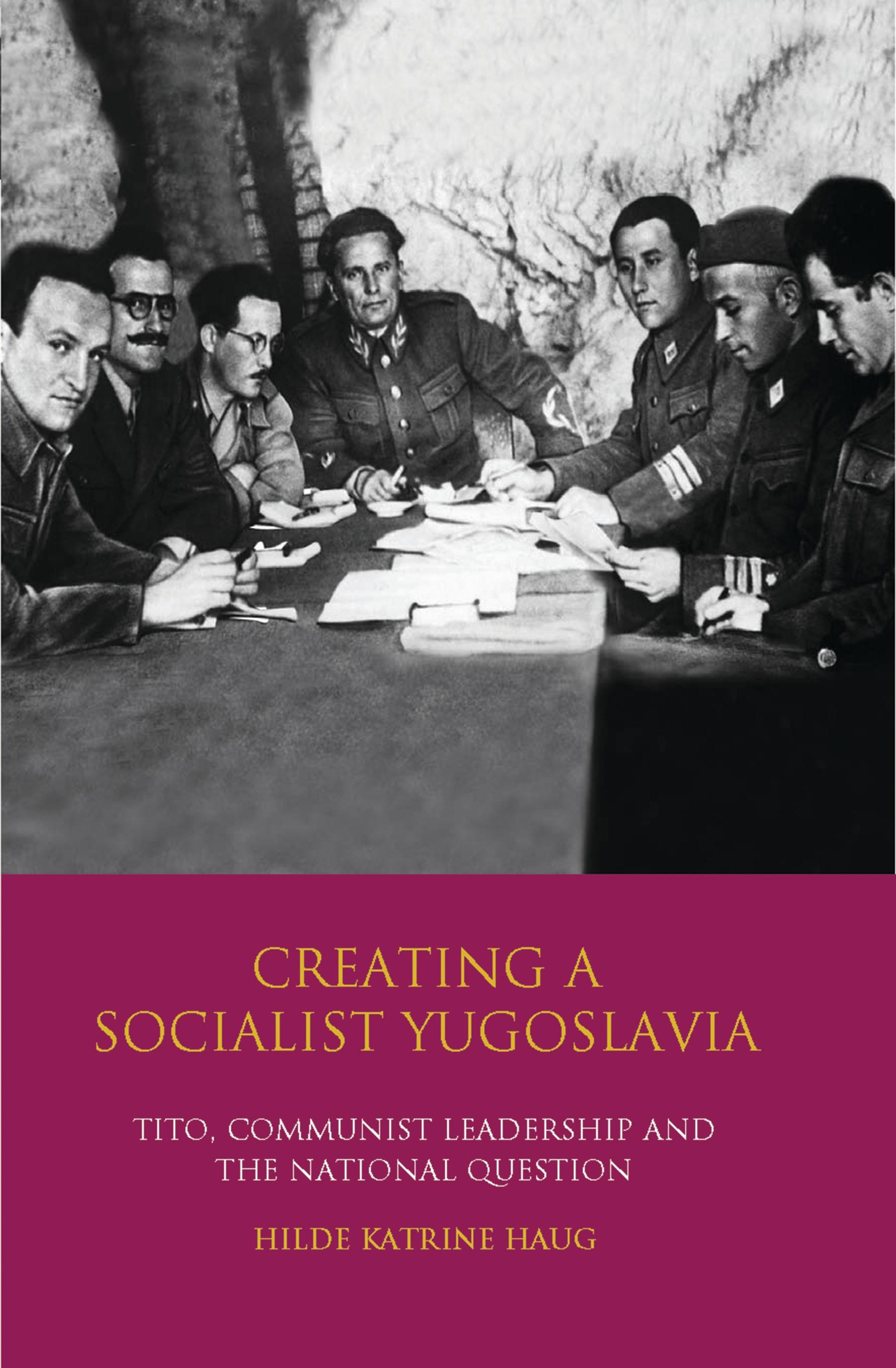
The Yugoslav communist leaders aspired to create a socialist Yugoslavia, and when they came into power in 1945, they claimed to have introduced a socialist solution to the Yugoslav national question. But what did it imply to 'solve a national question' and what did introducing a 'socialist solution' to a national question entail?
'Creating a Socialist Yugoslavia: Tito, Communist Leadership and the National Question' charts how the Yugoslav Communist leaders approached the national question, and what influence the complex national relations in the multinational state of Yugoslavia had on the development of the Yugoslav communists' policies, and on their post-war socialist project. From 1935 to 1990, tremendous changes took place in the Yugoslav approach to the national question, and in the institutions they devised as part of this solution. There were also significant changes to the role of the republics and the relations between the different national groups within the Yugoslav state. Discussions on the national question were not absent during this period, despite the communists claim to have solved it. Debates over what kind of Yugoslav unity was the most desirable continued to be a question of contention and different groups had different visions of this. A struggle over resources also developed between different republics.
This book identifies and examines four particular phases in the communists' strategies towards the national question; each marked by particular processes, issues and challenges. The claim to have solved the national question often meant that this issue could not be discussed openly and had to be expressed in a particular rhetoric approved by the Party. 'Creating a Socialist Yugoslavia' provides an authoritative account of the Yugoslav communist leaders' national policy and attempts to deal with the challenges encountered by the communists in reconciling their aspiration to create a socialist Yugoslavia with the need to regulate national conflict within the federation.
'Creating a Socialist Yugoslavia: Tito, Communist Leadership and the National Question' charts how the Yugoslav Communist leaders approached the national question, and what influence the complex national relations in the multinational state of Yugoslavia had on the development of the Yugoslav communists' policies, and on their post-war socialist project. From 1935 to 1990, tremendous changes took place in the Yugoslav approach to the national question, and in the institutions they devised as part of this solution. There were also significant changes to the role of the republics and the relations between the different national groups within the Yugoslav state. Discussions on the national question were not absent during this period, despite the communists claim to have solved it. Debates over what kind of Yugoslav unity was the most desirable continued to be a question of contention and different groups had different visions of this. A struggle over resources also developed between different republics.
This book identifies and examines four particular phases in the communists' strategies towards the national question; each marked by particular processes, issues and challenges. The claim to have solved the national question often meant that this issue could not be discussed openly and had to be expressed in a particular rhetoric approved by the Party. 'Creating a Socialist Yugoslavia' provides an authoritative account of the Yugoslav communist leaders' national policy and attempts to deal with the challenges encountered by the communists in reconciling their aspiration to create a socialist Yugoslavia with the need to regulate national conflict within the federation.
Zahle einfach mit Karte, Klarna, Apple Pay oder Google Pay. Nicht zufrieden? Du hast immer ein 14-tägiges Widerrufsrecht. Lies mehr in unseren AGB. Hast du Fragen, schreib uns eine E-Mail an hello@memmo.org.
Memmo macht das Lernen einfacher – wo auch immer du bist. Bei uns findest du deine Kursbücher und smarte Lerntools an einem Ort: Zusammenfassungen, Quizzes, Podcasts und Lernkarten. Und Ted, dein Lernbuddy, beantwortet alles, was du wissen möchtest. Über 50.000 Studierende lernen bereits hier – gemacht, damit du schneller lernst und weniger Stress hast.