
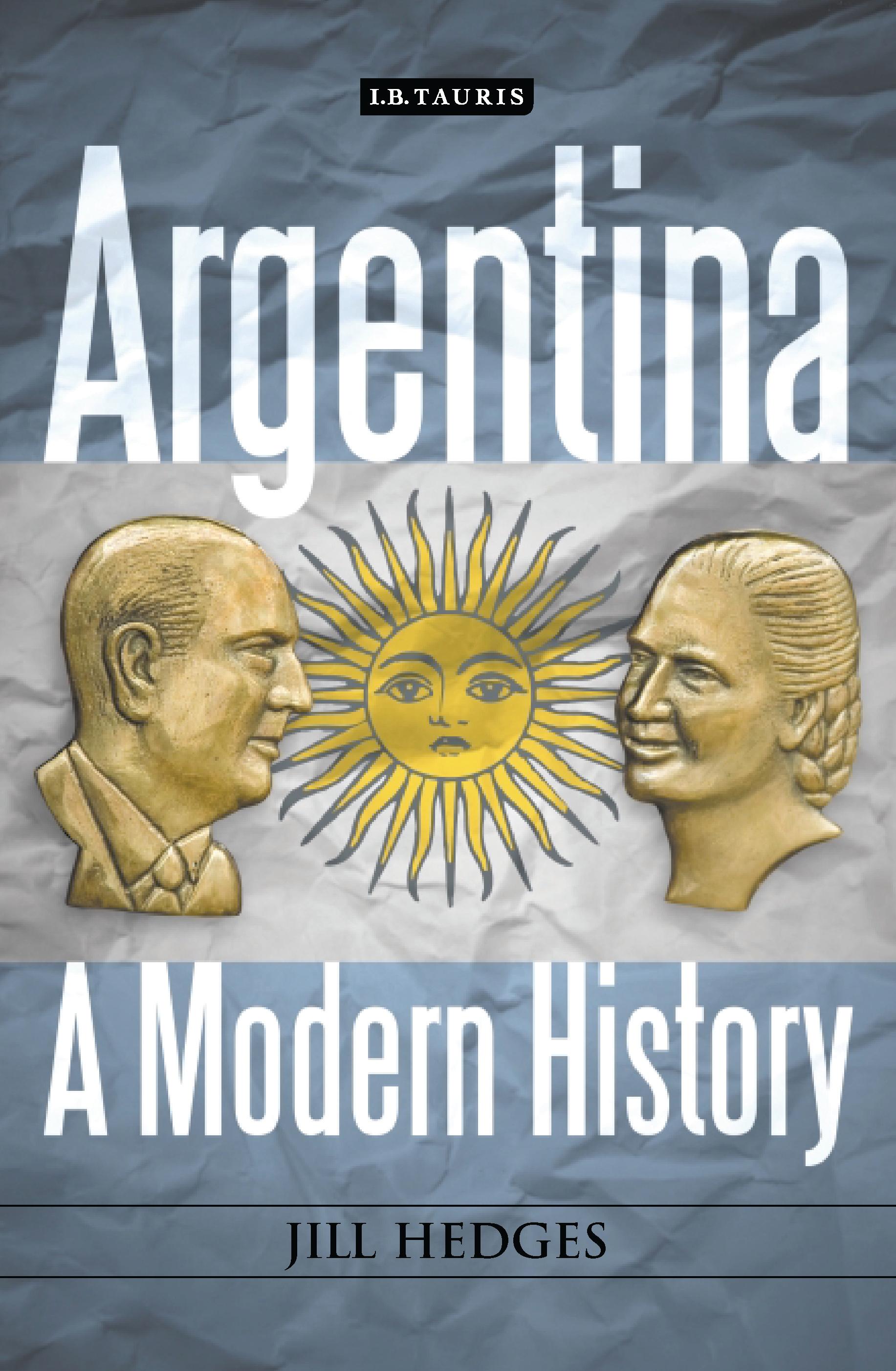
In the early 20th century, Argentina possessed one of the world's most prosperous economies, yet since then Argentina has suffered a series of boom-and-bust cycles that have seen it fall well below its regional neighbours such as Chile. At the same time, despite the lack of significant ethnic or linguistic divisions, Argentina has failed to create an over-arching post-independence national identity and its political and social history has been marked by frictions, violence and a 50-year series of military coups d'état. Such difficulty in defining and resolving a common past has increased the complexity of resolving a national project for the present and future.
This lack of a national sense of identity, highlighted by continuing frictions between Buenos Aires and the 'interior' over the centralization of power in the capital, is perhaps one factor explaining the enduring attraction of Peronism since its origins in the early 1940s: Juan Peron's maxim, “if I define, I exclude”, provided for a broad form of identification covering a range of different regional, socioeconomic and political experiences. However, it also provided the basis of an amorphous and ideologically vacuous political platform that has eluded precise definition for 50 years, thus distorting the country's entire political spectrum.
Jill Hedges here analyses the modern history of Argentina from the adoption of the 1853 constitution until the present day, highlighting the political factionalism, the weakness of and lack of trust in political institutions and economic dependence on foreign capital which have contributed to its political instability and economic fluctuation. Exploring political, economic and social aspects of Argentina's recent past, this book will be invaluable to anyone interested in South American history and politics.
This lack of a national sense of identity, highlighted by continuing frictions between Buenos Aires and the 'interior' over the centralization of power in the capital, is perhaps one factor explaining the enduring attraction of Peronism since its origins in the early 1940s: Juan Peron's maxim, “if I define, I exclude”, provided for a broad form of identification covering a range of different regional, socioeconomic and political experiences. However, it also provided the basis of an amorphous and ideologically vacuous political platform that has eluded precise definition for 50 years, thus distorting the country's entire political spectrum.
Jill Hedges here analyses the modern history of Argentina from the adoption of the 1853 constitution until the present day, highlighting the political factionalism, the weakness of and lack of trust in political institutions and economic dependence on foreign capital which have contributed to its political instability and economic fluctuation. Exploring political, economic and social aspects of Argentina's recent past, this book will be invaluable to anyone interested in South American history and politics.
Zahle einfach mit Karte, Klarna, Apple Pay oder Google Pay. Nicht zufrieden? Du hast immer ein 14-tägiges Widerrufsrecht. Lies mehr in unseren AGB. Hast du Fragen, schreib uns eine E-Mail an hello@memmo.org.
Memmo macht das Lernen einfacher – wo auch immer du bist. Bei uns findest du deine Kursbücher und smarte Lerntools an einem Ort: Zusammenfassungen, Quizzes, Podcasts und Lernkarten. Und Ted, dein Lernbuddy, beantwortet alles, was du wissen möchtest. Über 50.000 Studierende lernen bereits hier – gemacht, damit du schneller lernst und weniger Stress hast.