
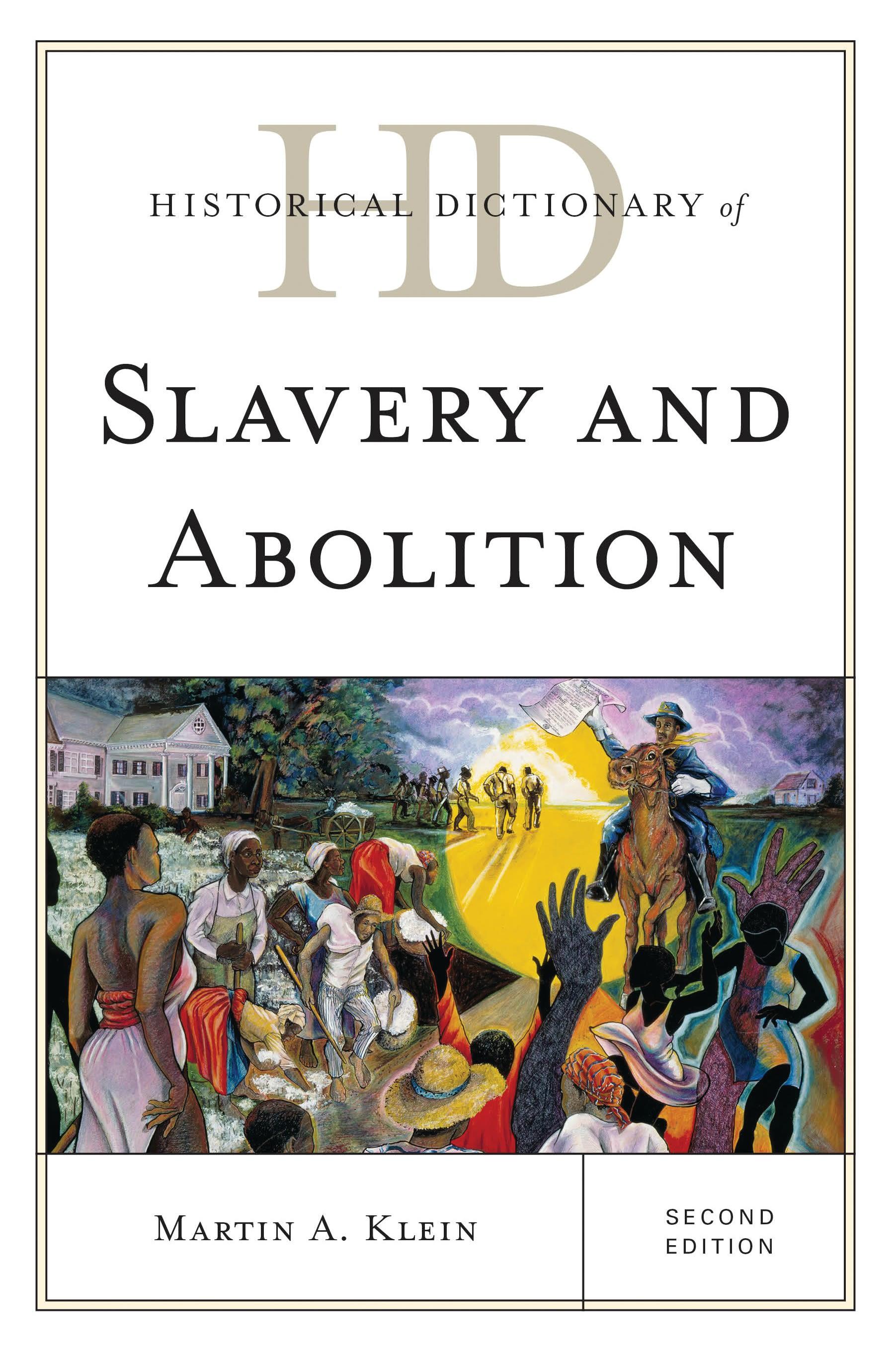
For almost four thousand years, men and women with power have exploited vulnerable populations for cheap or free labor. These slaves, serfs, helots, tenants, peons, bonded or forced laborers, etc., built pyramids and temples, dug canals and mined the earth for precious metals and gemstones. They built the palaces and mansions in which the powerful lived, grown the food they ate, spun the cloth that clothed them.
This second edition of Historical Dictionary of Slavery and Abolition relates the long and brutal history of slavery and the struggle for abolition using several key features:
Chronology Introductory essayAppendixesExtensive bibliographyOver 500 cross-referenced entries on forms of slavery, famous slaves and abolitionists, sources of slaves, and current conditions of modern slavery around the world
This book is an excellent access point for students, researchers, and anyone wanting to know more about slavery and abolition.
This second edition of Historical Dictionary of Slavery and Abolition relates the long and brutal history of slavery and the struggle for abolition using several key features:
Chronology Introductory essayAppendixesExtensive bibliographyOver 500 cross-referenced entries on forms of slavery, famous slaves and abolitionists, sources of slaves, and current conditions of modern slavery around the world
This book is an excellent access point for students, researchers, and anyone wanting to know more about slavery and abolition.
Zahle einfach mit Karte, Klarna, Apple Pay oder Google Pay. Nicht zufrieden? Du hast immer ein 14-tägiges Widerrufsrecht. Lies mehr in unseren AGB. Hast du Fragen, schreib uns eine E-Mail an hello@memmo.org.
Memmo macht das Lernen einfacher – wo auch immer du bist. Bei uns findest du deine Kursbücher und smarte Lerntools an einem Ort: Zusammenfassungen, Quizzes, Podcasts und Lernkarten. Und Ted, dein Lernbuddy, beantwortet alles, was du wissen möchtest. Über 50.000 Studierende lernen bereits hier – gemacht, damit du schneller lernst und weniger Stress hast.