
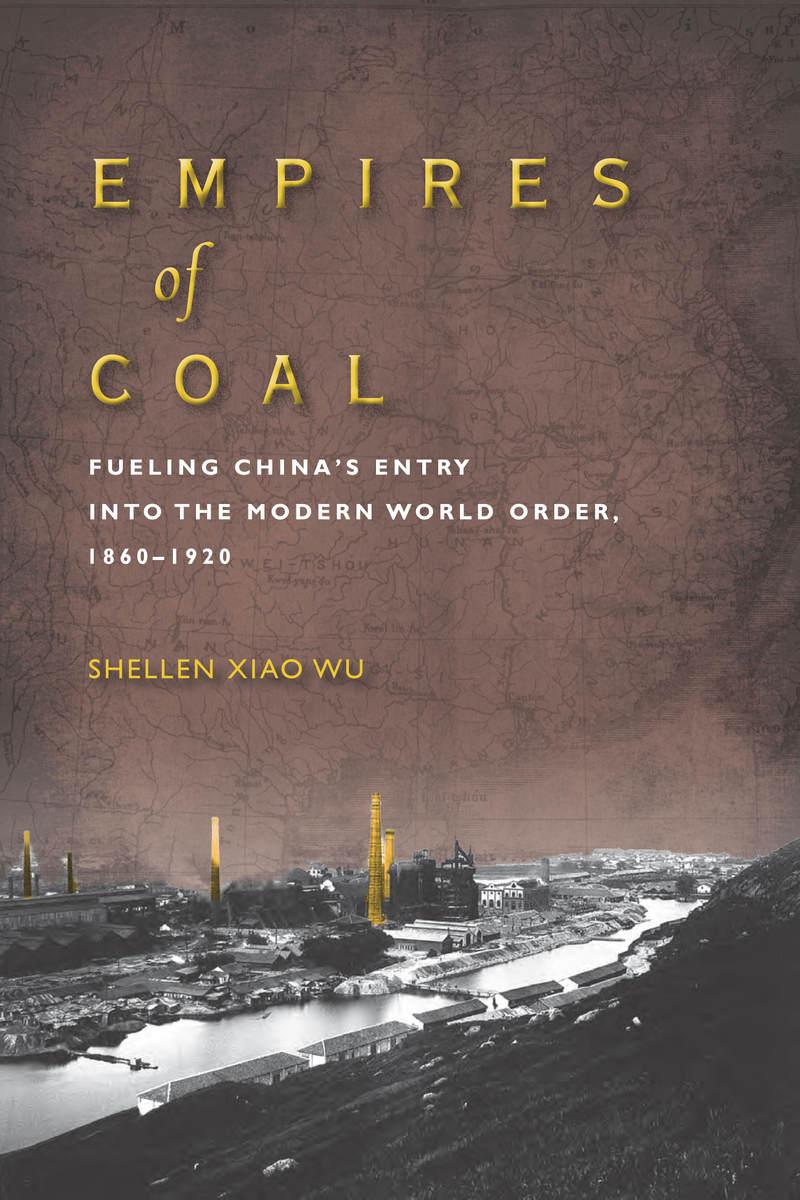
From 1868–1872, German geologist Ferdinand von Richthofen went on an expedition to China. His reports on what he found there would transform Western interest in China from the land of porcelain and tea to a repository of immense coal reserves. By the 1890s, European and American powers and the Qing state and local elites battled for control over the rights to these valuable mineral deposits. As coal went from a useful commodity to the essential fuel of industrialization, this vast natural resource would prove integral to the struggle for political control of China.
Geology served both as the handmaiden to European imperialism and the rallying point of Chinese resistance to Western encroachment. In the late nineteenth century both foreign powers and the Chinese viewed control over mineral resources as the key to modernization and industrialization. When the first China Geological Survey began work in the 1910s, conceptions of natural resources had already shifted, and the Qing state expanded its control over mining rights, setting the precedent for the subsequent Republican and People's Republic of China regimes.
In Empires of Coal, Shellen Xiao Wu argues that the changes specific to the late Qing were part of global trends in the nineteenth century, when the rise of science and industrialization destabilized global systems and caused widespread unrest and the toppling of ruling regimes around the world.
Zahle einfach mit Karte, Klarna, Apple Pay oder Google Pay. Nicht zufrieden? Du hast immer ein 14-tägiges Widerrufsrecht. Lies mehr in unseren AGB. Hast du Fragen, schreib uns eine E-Mail an hello@memmo.org.
Memmo macht das Lernen einfacher – wo auch immer du bist. Bei uns findest du deine Kursbücher und smarte Lerntools an einem Ort: Zusammenfassungen, Quizzes, Podcasts und Lernkarten. Und Ted, dein Lernbuddy, beantwortet alles, was du wissen möchtest. Über 50.000 Studierende lernen bereits hier – gemacht, damit du schneller lernst und weniger Stress hast.