
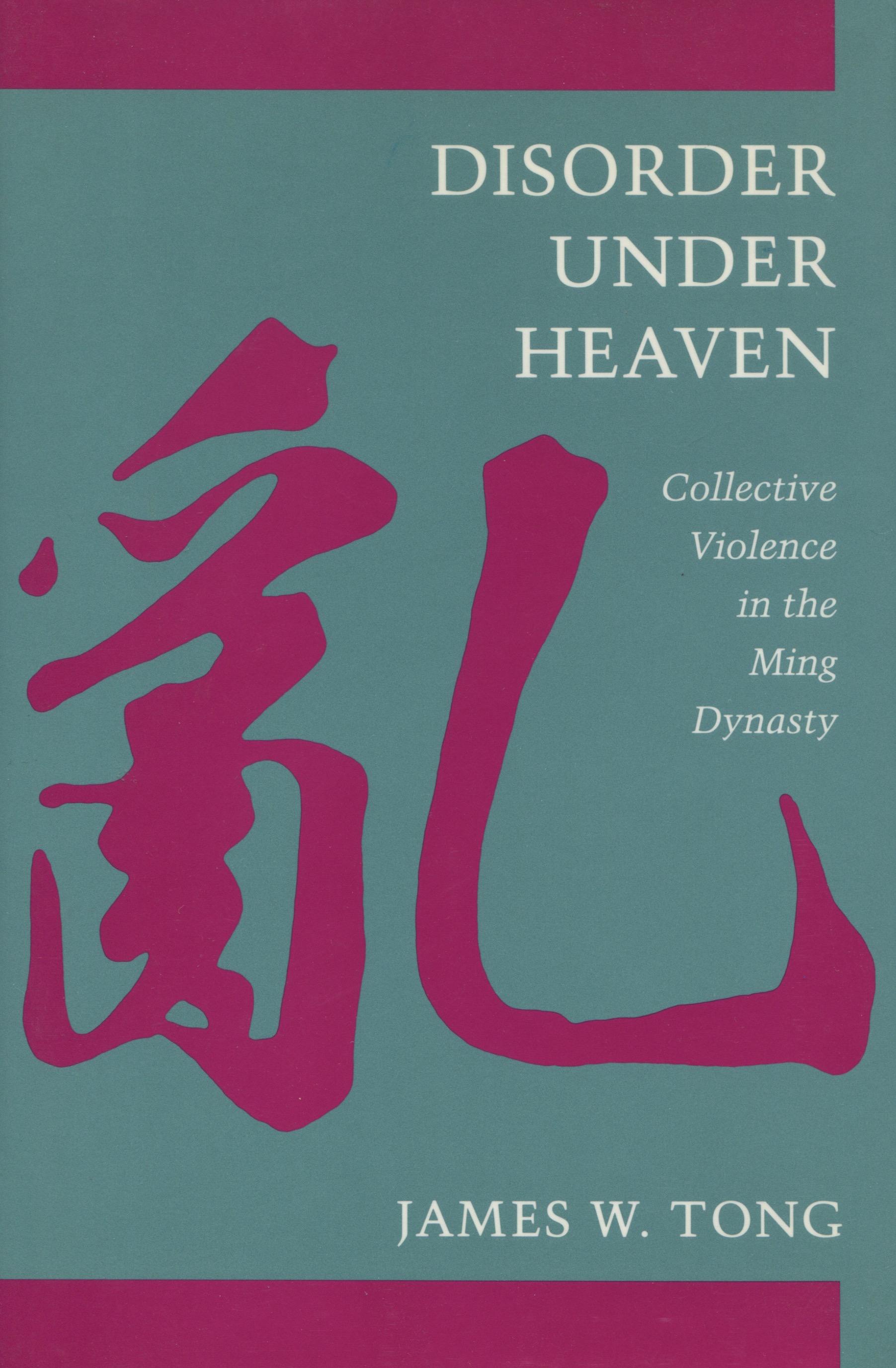
A monumental study of collective violence in the premodern world, this book analyzes all instances of rebellion and banditry recorded in 1,097 countries in China during the 277 years of the Ming dynasty (1368-1644). The assembled evidence constitutes the largest annual, county-level time-series on collective violence events in any part of the world, and the 630 recorded cases are used to test the major social science theories on the origins of collective violence.
Using systematic data collected from local gazetteers on natural calamities, size of harvests, famine relief, physical terrain, local construction, and troop deployment, the author advances and validates a rational-choice argument that violence increased when survival in a subsistence economy became uncertain and the likelihood of punishment was low. Analyzing the administrative effectiveness and coercive capacity of the Ming state, the author also finds evidence to support a complementary structuralist explanation for increased collective violence in times of lax rulers, state insolvency, and inadequate welfare and tax policies.
After an introductory chapter, the author explicates the main theoretical and methodological issues of collective violence and sketches the empirical pattern of rebellions and banditry, differentiating them by the level of threat they posed to the regime and by the sociopolitical profile of participating groups.
In the next four chapters, he relates the Ming empirical configuration to four theoretical frameworks for collective violence: rational choice,which includes the issue of motive and choice—why people chose to become bandits; opportunity, in which the level of Ming collective violence is treated to variations in a regime's coercive capacity; social change, which is used to shed light on food riots, anti-tax rebellions, and conflict between employers and employees and between natives and outsiders; and class conflict, which prompts the author to assess the Marxist explanation for collective violence by investigating revolts of commoners against imperial clansmen, bondservants against masters, and tenants against landlords. The final chapter presents how the author's conclusions on why and how people became outlaws in the Ming and points the questions for future research.
Zahle einfach mit Karte, Klarna, Apple Pay oder Google Pay. Nicht zufrieden? Du hast immer ein 14-tägiges Widerrufsrecht. Lies mehr in unseren AGB. Hast du Fragen, schreib uns eine E-Mail an hello@memmo.org.
Memmo macht das Lernen einfacher – wo auch immer du bist. Bei uns findest du deine Kursbücher und smarte Lerntools an einem Ort: Zusammenfassungen, Quizzes, Podcasts und Lernkarten. Und Ted, dein Lernbuddy, beantwortet alles, was du wissen möchtest. Über 50.000 Studierende lernen bereits hier – gemacht, damit du schneller lernst und weniger Stress hast.