
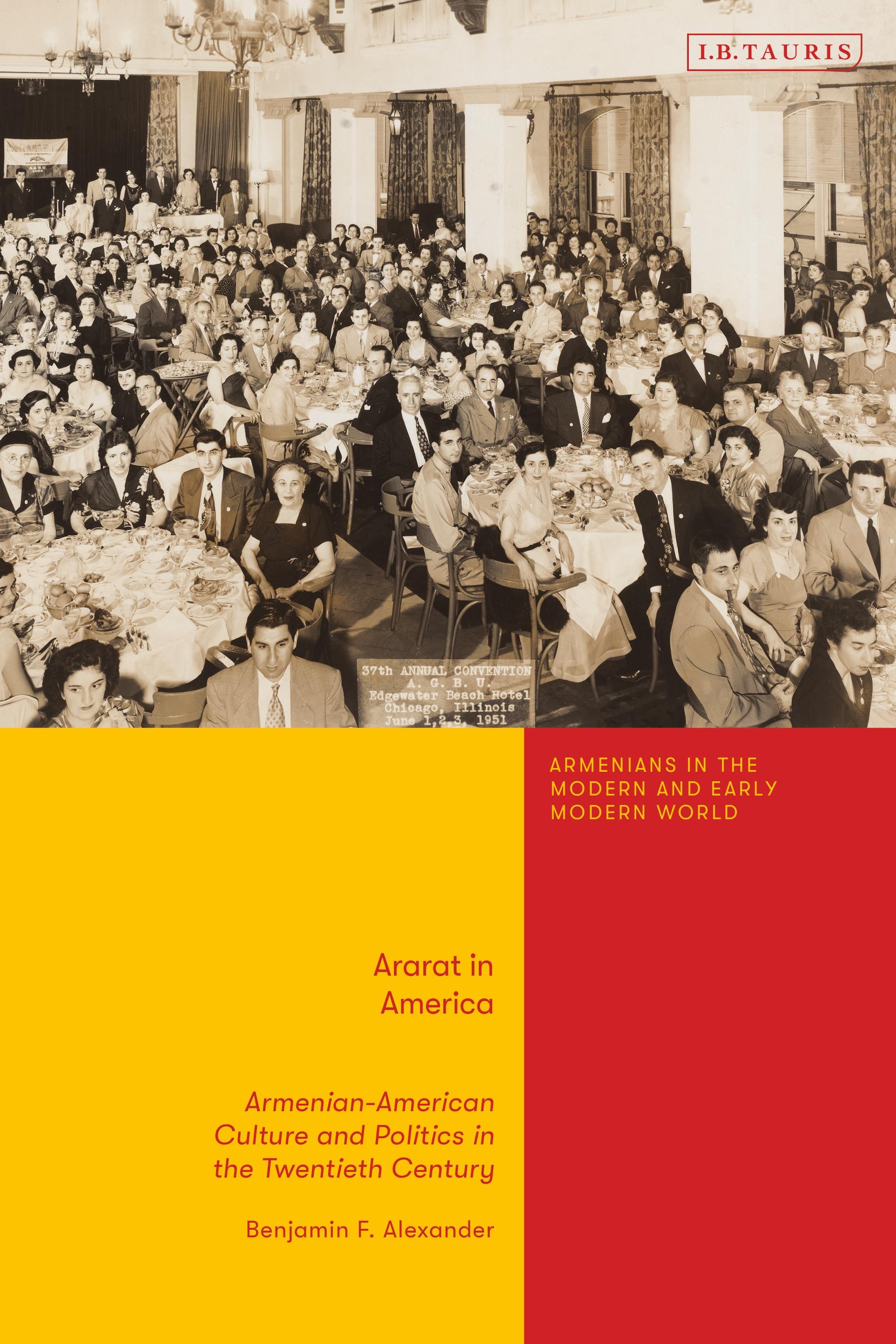
How has the distinctive Armenian-American community expressed its identity as an ethnic minority while 'assimilating' to life in the United States? This book examines the role of community leaders and influencers, including clergy, youth organizers, and partisan newspaper editors, in fostering not only a sense of Armenian identity but specific ethnic-partisan leanings within the group's population. Against the backdrop of key geopolitical events from the aftermath of the Armenian Genocide to the creation of an independent and then Soviet Armenia, it explores the rivalry between two major Armenian political parties, the Tashnags and the Ramgavars, and the relationship that existed between partisan leaders and their broader constituency. Rather than treating the partisan conflict as simply an impediment to Armenian unity, Benjamin Alexander examines the functional if accidental role that it played in keeping certain community institutions alive. He further analyses the two camps as representing two conflicting visions of how to be an ethnic group, drawing a comparison between the sociology-of-religion models of comfort religion and challenge religion. A detailed political and social history, this book integrates the Armenian experience into the broader and more familiar narratives of World War I, World War II, and the Cold War in the USA.
Zahle einfach mit Karte, Klarna, Apple Pay oder Google Pay. Nicht zufrieden? Du hast immer ein 14-tägiges Widerrufsrecht. Lies mehr in unseren AGB. Hast du Fragen, schreib uns eine E-Mail an hello@memmo.org.
Memmo macht das Lernen einfacher – wo auch immer du bist. Bei uns findest du deine Kursbücher und smarte Lerntools an einem Ort: Zusammenfassungen, Quizzes, Podcasts und Lernkarten. Und Ted, dein Lernbuddy, beantwortet alles, was du wissen möchtest. Über 50.000 Studierende lernen bereits hier – gemacht, damit du schneller lernst und weniger Stress hast.