
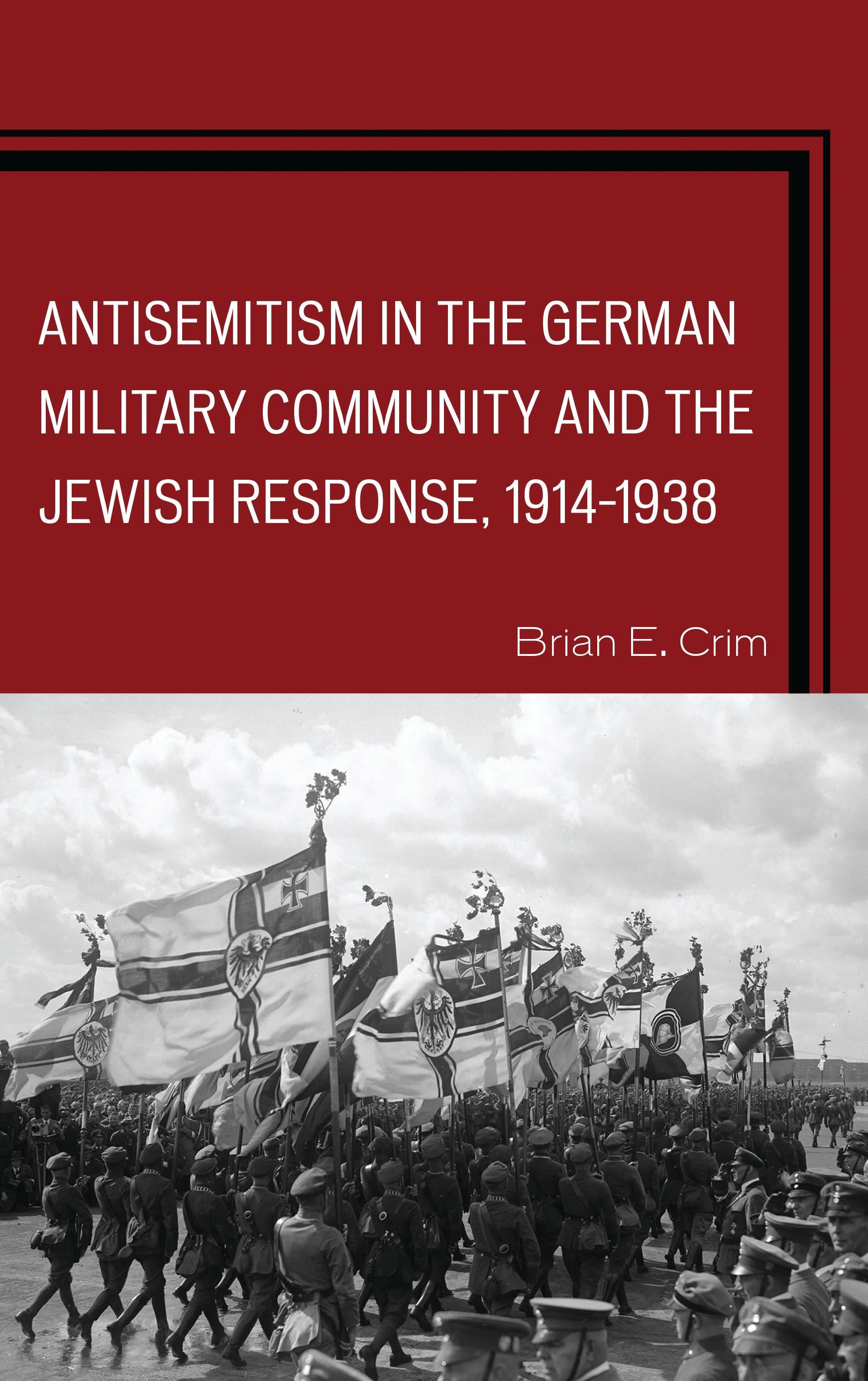
Antisemitism in the German Military Community and the Jewish Response, 1914–1938 explores how German World War I veterans from different social and political backgrounds contributed to antisemitic politics during the Weimar Republic. The book compares how the military, right-wing veterans, and Jewish veterans chose to remember their war experiences and translate these memories into a political reality in the postwar world. Antisemitism addresses several neglected issues.
First, there is relatively little scholarship discussing antisemitism in the imperial German army and the impact former imperial officers had on the antisemitic predilections of veteran associations. This subject deserves attention given that veteran politics during the Weimar Republic were of tremendous significance to the collapse of democracy and the rise of National Socialism, and that the primary architects of the Third Reich and the “Final Solution” were either World War I veterans or had been members of paramilitary organizations in the interwar period.
The second issue addressed is how veterans influenced the definition of “Aryan” identity, or how race came to be perceived through the prism of war and political violence. Since German Jews had to fight both accusations of shirking military service and the perception of the “Jew” as effeminate, the manner in which these veterans tried to reforge Jewish identity and their relationship with their former comrades is an extraordinarily important issue.
The third issue concerns situational antisemitism, or the process by which an organization expressed an opinion or policy concerning Jews in response to internal dissension and external influences.
First, there is relatively little scholarship discussing antisemitism in the imperial German army and the impact former imperial officers had on the antisemitic predilections of veteran associations. This subject deserves attention given that veteran politics during the Weimar Republic were of tremendous significance to the collapse of democracy and the rise of National Socialism, and that the primary architects of the Third Reich and the “Final Solution” were either World War I veterans or had been members of paramilitary organizations in the interwar period.
The second issue addressed is how veterans influenced the definition of “Aryan” identity, or how race came to be perceived through the prism of war and political violence. Since German Jews had to fight both accusations of shirking military service and the perception of the “Jew” as effeminate, the manner in which these veterans tried to reforge Jewish identity and their relationship with their former comrades is an extraordinarily important issue.
The third issue concerns situational antisemitism, or the process by which an organization expressed an opinion or policy concerning Jews in response to internal dissension and external influences.
Zahle einfach mit Karte, Klarna, Apple Pay oder Google Pay. Nicht zufrieden? Du hast immer ein 14-tägiges Widerrufsrecht. Lies mehr in unseren AGB. Hast du Fragen, schreib uns eine E-Mail an hello@memmo.org.
Memmo macht das Lernen einfacher – wo auch immer du bist. Bei uns findest du deine Kursbücher und smarte Lerntools an einem Ort: Zusammenfassungen, Quizzes, Podcasts und Lernkarten. Und Ted, dein Lernbuddy, beantwortet alles, was du wissen möchtest. Über 50.000 Studierende lernen bereits hier – gemacht, damit du schneller lernst und weniger Stress hast.