
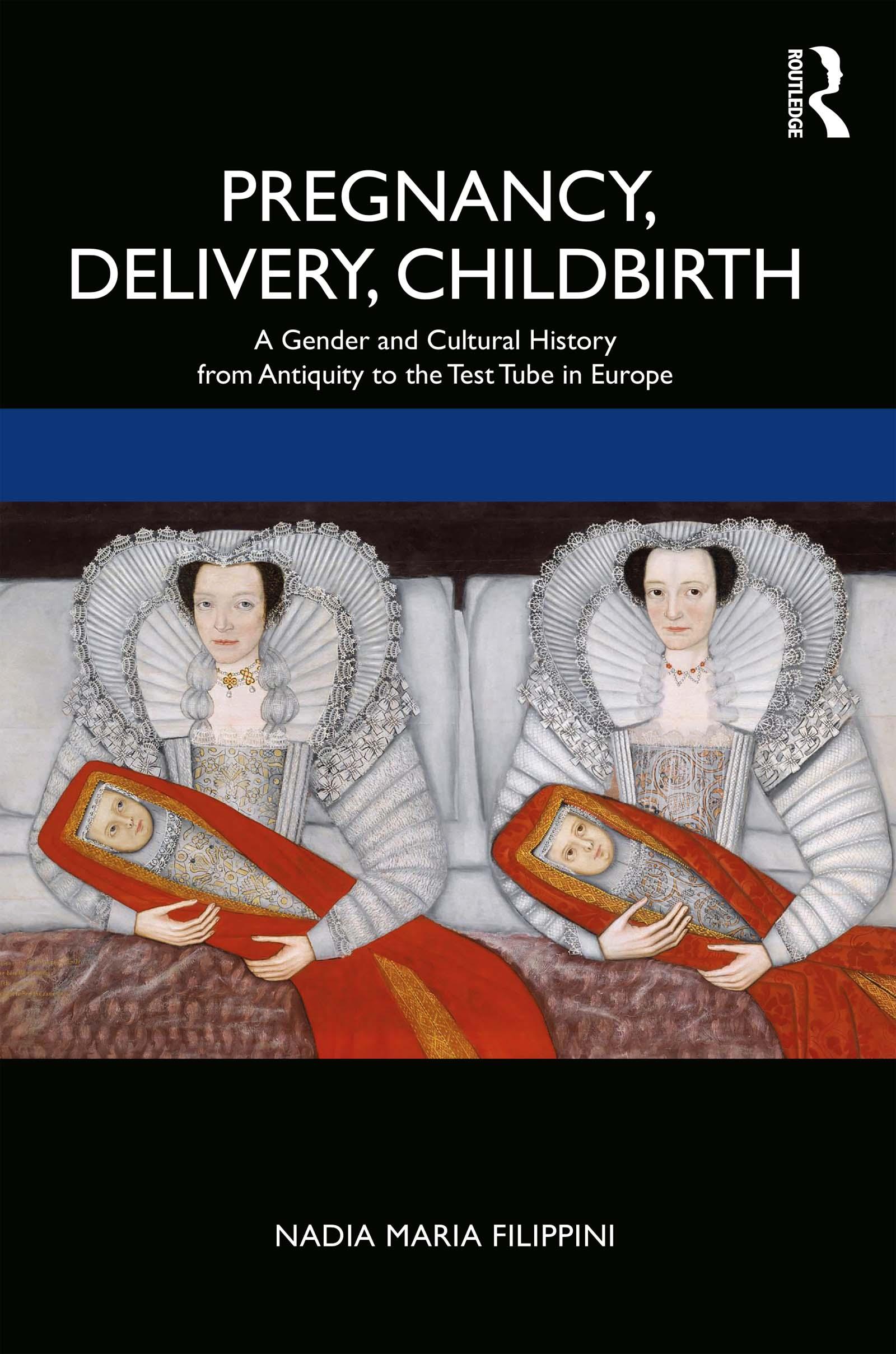
This book reconstructs the history of conception, pregnancy and childbirth in Europe from antiquity to the 20th century, focusing on its most significant turning points: the emergence of a medical-scientific approach to delivery in Ancient Greece, the impact of Christianity, the establishment of the man-midwife in the 18th century, the medicalisation of childbirth, the emergence of a new representation of the foetus as "unborn citizen", and, finally, the revolution of reproductive technologies.
The book explores a history that, far from being linear, progressive or homogeneous, is characterised by significant continuities as well as transformations. The ways in which a woman gives birth and lives her pregnancy and the postpartum period are the result of a complex series of factors. The book therefore places these events in their wider cultural, social and religious contexts, which influenced the forms taken by rituals and therapeutic practices, religious and civil prescriptions and the regulation of the female body.
The investigation of this complex experience represents a crucial contribution to cultural, social and gender history, as well as an indispensable tool for understanding today’s reality. It will be of great use to undergraduates studying the history of childbirth, the history of medicine, the history of the body, as well as women's and gender history more broadly.
Zahle einfach mit Karte, Klarna, Apple Pay oder Google Pay. Nicht zufrieden? Du hast immer ein 14-tägiges Widerrufsrecht. Lies mehr in unseren AGB. Hast du Fragen, schreib uns eine E-Mail an hello@memmo.org.
Memmo macht das Lernen einfacher – wo auch immer du bist. Bei uns findest du deine Kursbücher und smarte Lerntools an einem Ort: Zusammenfassungen, Quizzes, Podcasts und Lernkarten. Und Ted, dein Lernbuddy, beantwortet alles, was du wissen möchtest. Über 50.000 Studierende lernen bereits hier – gemacht, damit du schneller lernst und weniger Stress hast.