
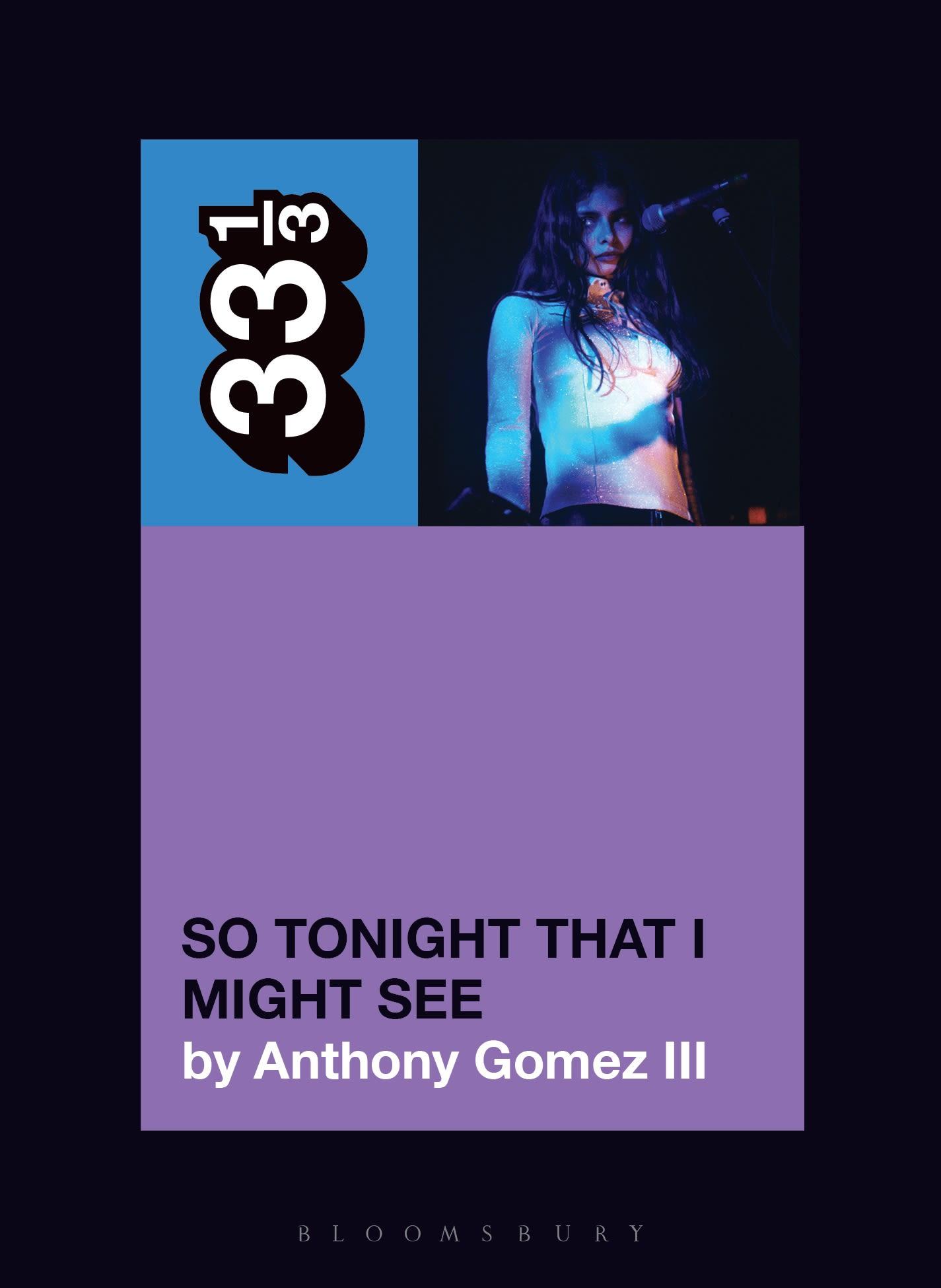
Anthony Gomez III explores how out of the commercial failure of the 1980s Paisley Underground genre, a Los Angeles that suffered one of the highest crime rates in the country, the rise of Chicano/a art in the public eye, and record label disputes, singer Hope Sandoval and guitarist David Roback form the influential dream pop band Mazzy Star.
Mazzy Star's So Tonight That I Might See was a slow, reluctant success. Pushed by Capitol Records as an album for teenagers to make out during, as a record about girlhood, and as music for those uninterested in the era's male aggression, the album's reputation has been plagued by these forced connections ever since.
Not that the band's Hope Sandoval or David Roback ever publicly cared to dispel these notions. They preferred to disdain publicity and offer their art without introduction. But there is far more to the Mazzy Star story than media-reluctant musicians and corporate-generated narratives.
By tracing the hurried development of their second record, this book revisits how imposed mythologies have contributed to the marginalization of Hope Sandoval's Mexican American background, and the band's place in the larger tradition of Chicano music. It combs through the histories of musicians involved in Sandoval and Roback's prior projects to highlight how Mazzy Star formed partly in response to the rising violence and gentrification of their hometown Los Angeles. Along the way, it ascertains the band's interest in the American Southwest, 1960s psychedelia, and a surrealism which conjures the strange, dark shadows of everyday life in the US.
Mazzy Star's So Tonight That I Might See was a slow, reluctant success. Pushed by Capitol Records as an album for teenagers to make out during, as a record about girlhood, and as music for those uninterested in the era's male aggression, the album's reputation has been plagued by these forced connections ever since.
Not that the band's Hope Sandoval or David Roback ever publicly cared to dispel these notions. They preferred to disdain publicity and offer their art without introduction. But there is far more to the Mazzy Star story than media-reluctant musicians and corporate-generated narratives.
By tracing the hurried development of their second record, this book revisits how imposed mythologies have contributed to the marginalization of Hope Sandoval's Mexican American background, and the band's place in the larger tradition of Chicano music. It combs through the histories of musicians involved in Sandoval and Roback's prior projects to highlight how Mazzy Star formed partly in response to the rising violence and gentrification of their hometown Los Angeles. Along the way, it ascertains the band's interest in the American Southwest, 1960s psychedelia, and a surrealism which conjures the strange, dark shadows of everyday life in the US.
Strony: 144
Kategoria: Musikvetenskap
e-ISBN: 9798765133583
Waga przesyłki: 1.2 kg
Wysyłka w ciągu: 1-2 dni
Płać wygodnie kartą, Klarną, Apple Pay lub Google Pay. Nie jesteś zadowolony? Zawsze masz 14-dniową gwarancję zwrotu pieniędzy. Więcej przeczytasz w naszych warunkach. Masz pytania? Napisz do nas na hello@memmo.org.
Memmo ułatwia naukę – gdziekolwiek jesteś na świecie. U nas znajdziesz podręczniki i sprytne narzędzia do nauki w jednym miejscu: streszczenia, quizy, podcasty i fiszki. A do tego Ted, Twój kumpel do nauki, który odpowie na wszystko, co Cię nurtuje. Ponad 50 000 studentów już tu się uczy – stworzone, byś uczył się szybciej i mniej stresował.