
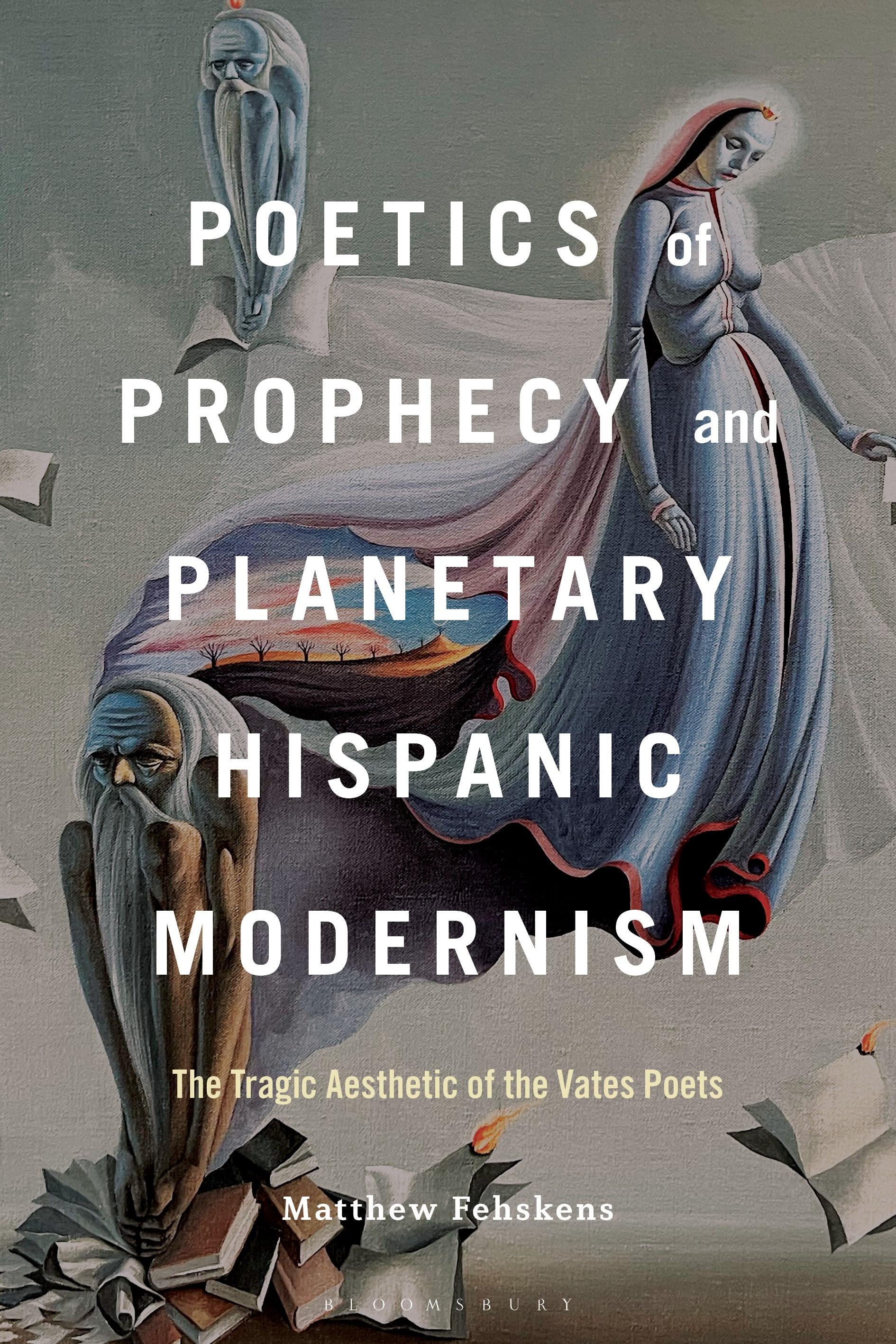
A study of Hispanic planetary modernism's use of prophetic discourse as an attempt to counter modern nihilism and provide modernity with poetry as its new Scripture.
Traditional studies of established literary modernisms (such as in the United Kingdom, France, and Germany) have long acknowledged the prophetic authority and tragic struggle for sacredness within modernity. As Poetics of Prophecy and Planetary Hispanic Modernism argues, the aesthetic and ideological phenomenon of the Vates (or prophetic) poet is also present in the rich tradition of Hispanic literature that spans more than 20 countries. However, the later modernization of Spain and Spanish America postpones its adoption until the advent of literary modernism.
Matthew Fehskens shows that this prophetic role is consistent across multiple poets in Europe, Spanish America, and the United States and constitutes a fundamental aspect of the transatlantic production of modernism in Spanish. The phenomenon is wide ranging, from the movement's founding authors, such as Cuban José Martí and Nicaraguan Rubén Darío, to Uruguayan poets Delmira Agustini and María Eugenia Vaz Ferreira, and Spanish authors Antonio Machado, Miguel de Unamuno, and Ramón del Valle Inclán.
Hispanic modernism had lofty aims, namely to speak poetic words of divine import to a culture ravaged by the Age of Reason and the materialism of modernity. Its authors aimed to transcend the limitations of literature, reason, and a disenchanted culture to create modern scriptures. This study demonstrates the centrality of prophecy in the development of Hispanic poetry in modernity.
Traditional studies of established literary modernisms (such as in the United Kingdom, France, and Germany) have long acknowledged the prophetic authority and tragic struggle for sacredness within modernity. As Poetics of Prophecy and Planetary Hispanic Modernism argues, the aesthetic and ideological phenomenon of the Vates (or prophetic) poet is also present in the rich tradition of Hispanic literature that spans more than 20 countries. However, the later modernization of Spain and Spanish America postpones its adoption until the advent of literary modernism.
Matthew Fehskens shows that this prophetic role is consistent across multiple poets in Europe, Spanish America, and the United States and constitutes a fundamental aspect of the transatlantic production of modernism in Spanish. The phenomenon is wide ranging, from the movement's founding authors, such as Cuban José Martí and Nicaraguan Rubén Darío, to Uruguayan poets Delmira Agustini and María Eugenia Vaz Ferreira, and Spanish authors Antonio Machado, Miguel de Unamuno, and Ramón del Valle Inclán.
Hispanic modernism had lofty aims, namely to speak poetic words of divine import to a culture ravaged by the Age of Reason and the materialism of modernity. Its authors aimed to transcend the limitations of literature, reason, and a disenchanted culture to create modern scriptures. This study demonstrates the centrality of prophecy in the development of Hispanic poetry in modernity.
Strony: 232
Kategoria: Litteraturvetenskap & Teori
e-ISBN: 9798765126790
Waga przesyłki: 1.2 kg
Wysyłka w ciągu: 1-2 dni
Płać wygodnie kartą, Klarną, Apple Pay lub Google Pay. Nie jesteś zadowolony? Zawsze masz 14-dniową gwarancję zwrotu pieniędzy. Więcej przeczytasz w naszych warunkach. Masz pytania? Napisz do nas na hello@memmo.org.
Memmo ułatwia naukę – gdziekolwiek jesteś na świecie. U nas znajdziesz podręczniki i sprytne narzędzia do nauki w jednym miejscu: streszczenia, quizy, podcasty i fiszki. A do tego Ted, Twój kumpel do nauki, który odpowie na wszystko, co Cię nurtuje. Ponad 50 000 studentów już tu się uczy – stworzone, byś uczył się szybciej i mniej stresował.