
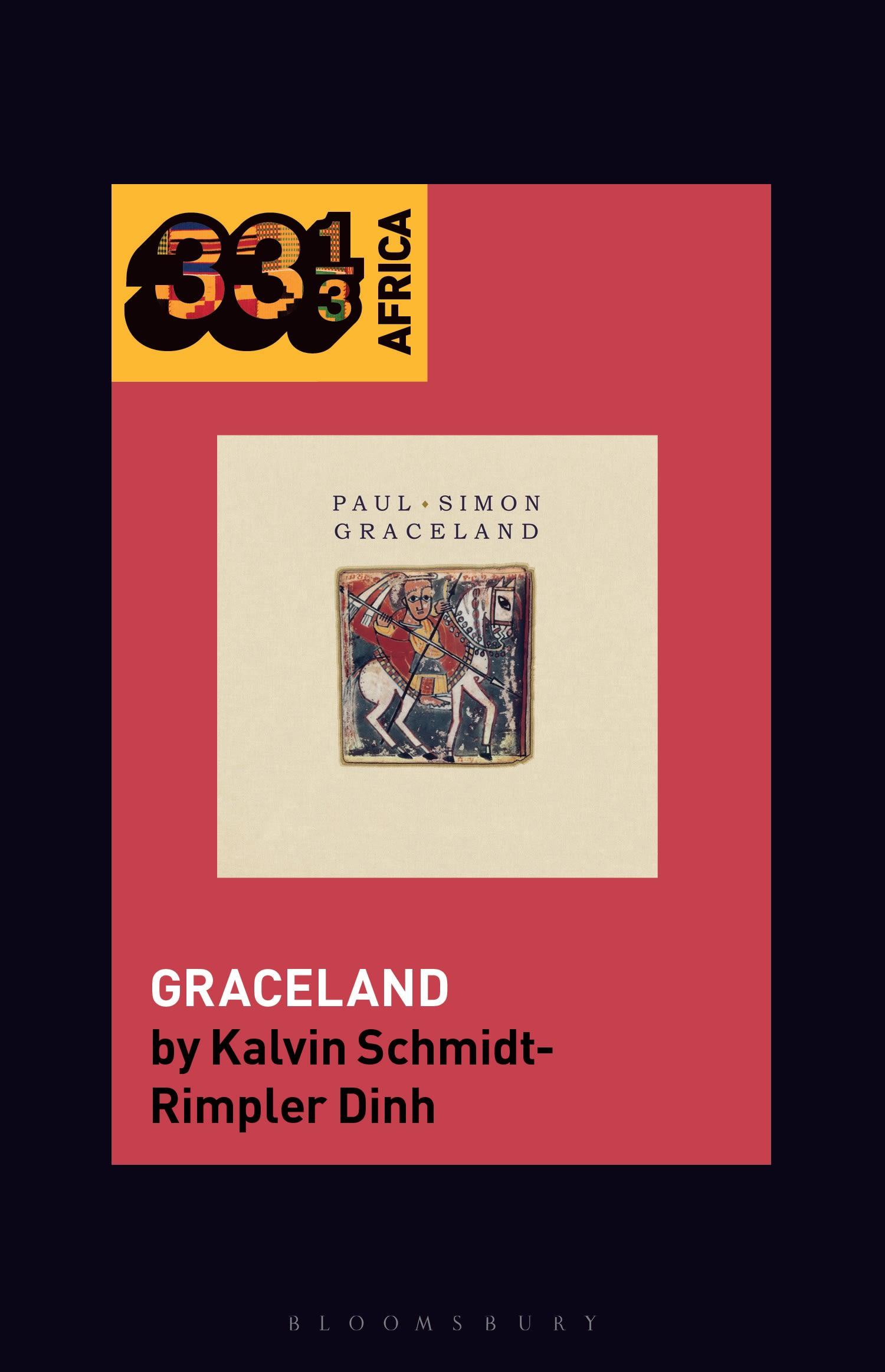
Celebrated, controversial, and conspicuously eclectic, Paul Simon's Graceland stands among the monumental albums of the 20th century. This book explores how and why it made its mark, from the international collaborations that defined its musical character, to the inflamed political environment from which it emerged.
Graceland incorporated some of South Africa's most beloved popular music traditions, including 'township jive', kwela, and the intricate isicathamiya harmonies of Ladysmith Black Mambazo. It also featured contributions from Central and West African musicians, alongside an array of North American styles – Chicano rock, country, synth-pop, Louisiana zydeco – and, of course, Simon's characteristically abstract poetics.
This book revisits Graceland as an important example of the global relevance of African music. Released in 1986, amid an intensified period of anti-apartheid activism across world, the album had a unique relationship to South Africa: it drew attention to apartheid and Black African music while its popular significance was simultaneously propelled by the anti-apartheid movement. As a collaborative, cross-cultural project straddling the boundaries of a deeply unequal world – economically, politically, racially – Graceland invites reflection on the relationship between art and politics, both then and now.
Graceland incorporated some of South Africa's most beloved popular music traditions, including 'township jive', kwela, and the intricate isicathamiya harmonies of Ladysmith Black Mambazo. It also featured contributions from Central and West African musicians, alongside an array of North American styles – Chicano rock, country, synth-pop, Louisiana zydeco – and, of course, Simon's characteristically abstract poetics.
This book revisits Graceland as an important example of the global relevance of African music. Released in 1986, amid an intensified period of anti-apartheid activism across world, the album had a unique relationship to South Africa: it drew attention to apartheid and Black African music while its popular significance was simultaneously propelled by the anti-apartheid movement. As a collaborative, cross-cultural project straddling the boundaries of a deeply unequal world – economically, politically, racially – Graceland invites reflection on the relationship between art and politics, both then and now.
Płać wygodnie kartą, Klarną, Apple Pay lub Google Pay. Nie jesteś zadowolony? Zawsze masz 14-dniową gwarancję zwrotu pieniędzy. Więcej przeczytasz w naszych warunkach. Masz pytania? Napisz do nas na hello@memmo.org.
Memmo ułatwia naukę – gdziekolwiek jesteś na świecie. U nas znajdziesz podręczniki i sprytne narzędzia do nauki w jednym miejscu: streszczenia, quizy, podcasty i fiszki. A do tego Ted, Twój kumpel do nauki, który odpowie na wszystko, co Cię nurtuje. Ponad 50 000 studentów już tu się uczy – stworzone, byś uczył się szybciej i mniej stresował.