
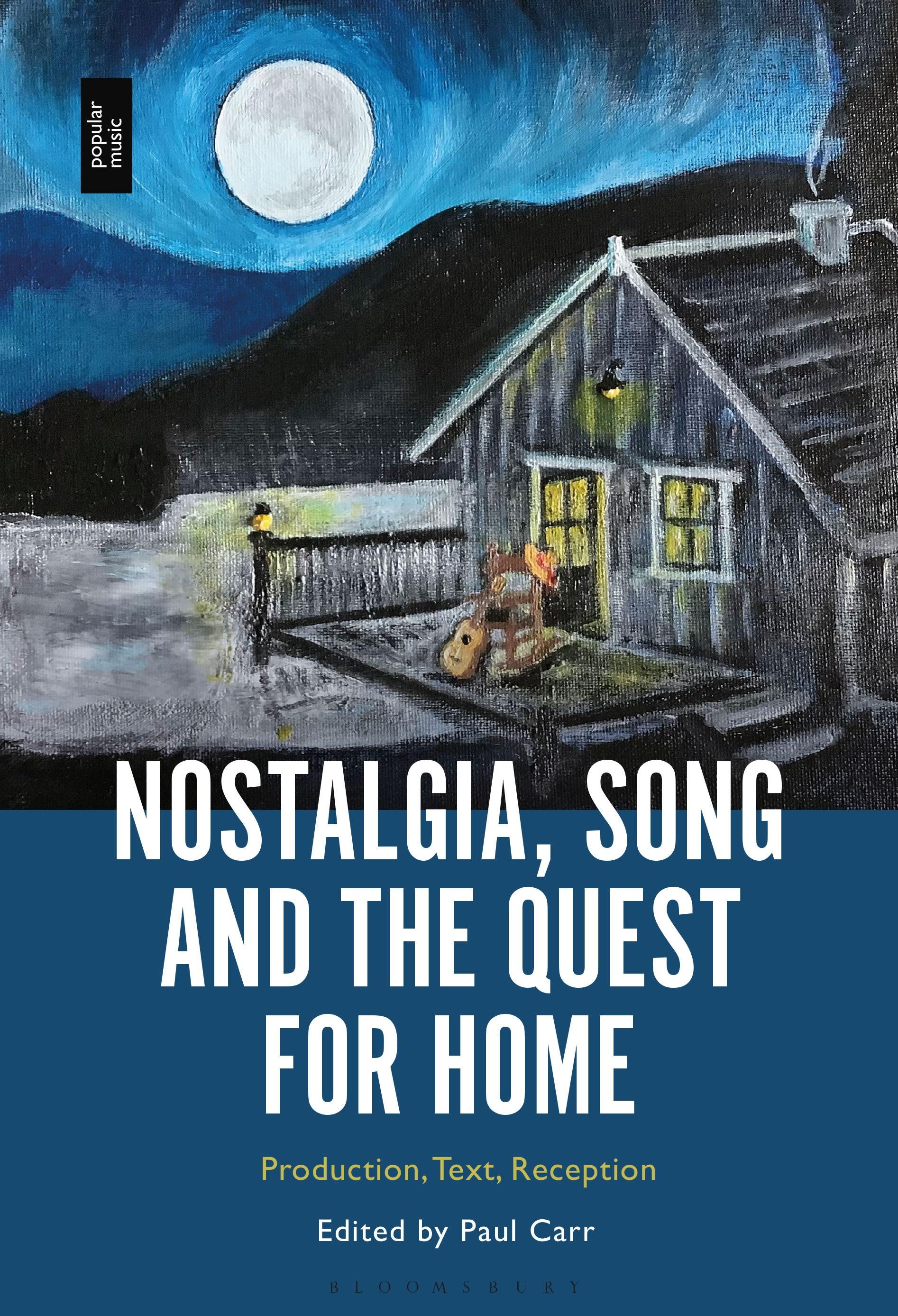
What does it mean to evoke a sense of home through song, or intentionally utilize nostalgia in songwriting?
This book explores a neglected aspect of scholarship surrounding the study of song-its relationship with nostalgia and notions of 'home,' in the broadest sense. Each essay in this collection studies these factors from the perspective of 'production', 'text' and 'reception,' either individually or in combination. Making use of frameworks such as Marxism, critical theory and hauntology, this is a propulsive study of the global cultural phenomena of nostalgia music.
From the perspective of 'production,' authors explore nostalgia as technique and the commercialization of nostalgia. The section focused on 'text' features case studies of nostalgic songs or albums about home and musicological analyses of the nostalgic trends of songwriters, songs, albums. Finally, the 'reception' essays facilitate examination of nostalgic narratives from the subjective and varying perspectives of audiences or listeners.
Whether identifying with Bruce Springsteen or ABBA, or hailing from Ukraine or New Zealand, the featured music speaks to a listener's sense of home and self. From music of the Serbian diaspora and Country 'n' Irish music, which speak of a nostalgia for a homeland (or time) to which one cannot return, to a song performed in the Wuhan dialect for listeners who could not leave their homes during COVID containment, these collected essays feature the music of artists whose audiences have found and clung to a version of themselves.
This book explores a neglected aspect of scholarship surrounding the study of song-its relationship with nostalgia and notions of 'home,' in the broadest sense. Each essay in this collection studies these factors from the perspective of 'production', 'text' and 'reception,' either individually or in combination. Making use of frameworks such as Marxism, critical theory and hauntology, this is a propulsive study of the global cultural phenomena of nostalgia music.
From the perspective of 'production,' authors explore nostalgia as technique and the commercialization of nostalgia. The section focused on 'text' features case studies of nostalgic songs or albums about home and musicological analyses of the nostalgic trends of songwriters, songs, albums. Finally, the 'reception' essays facilitate examination of nostalgic narratives from the subjective and varying perspectives of audiences or listeners.
Whether identifying with Bruce Springsteen or ABBA, or hailing from Ukraine or New Zealand, the featured music speaks to a listener's sense of home and self. From music of the Serbian diaspora and Country 'n' Irish music, which speak of a nostalgia for a homeland (or time) to which one cannot return, to a song performed in the Wuhan dialect for listeners who could not leave their homes during COVID containment, these collected essays feature the music of artists whose audiences have found and clung to a version of themselves.
Płać wygodnie kartą, Klarną, Apple Pay lub Google Pay. Nie jesteś zadowolony? Zawsze masz 14-dniową gwarancję zwrotu pieniędzy. Więcej przeczytasz w naszych warunkach. Masz pytania? Napisz do nas na hello@memmo.org.
Memmo ułatwia naukę – gdziekolwiek jesteś na świecie. U nas znajdziesz podręczniki i sprytne narzędzia do nauki w jednym miejscu: streszczenia, quizy, podcasty i fiszki. A do tego Ted, Twój kumpel do nauki, który odpowie na wszystko, co Cię nurtuje. Ponad 50 000 studentów już tu się uczy – stworzone, byś uczył się szybciej i mniej stresował.