
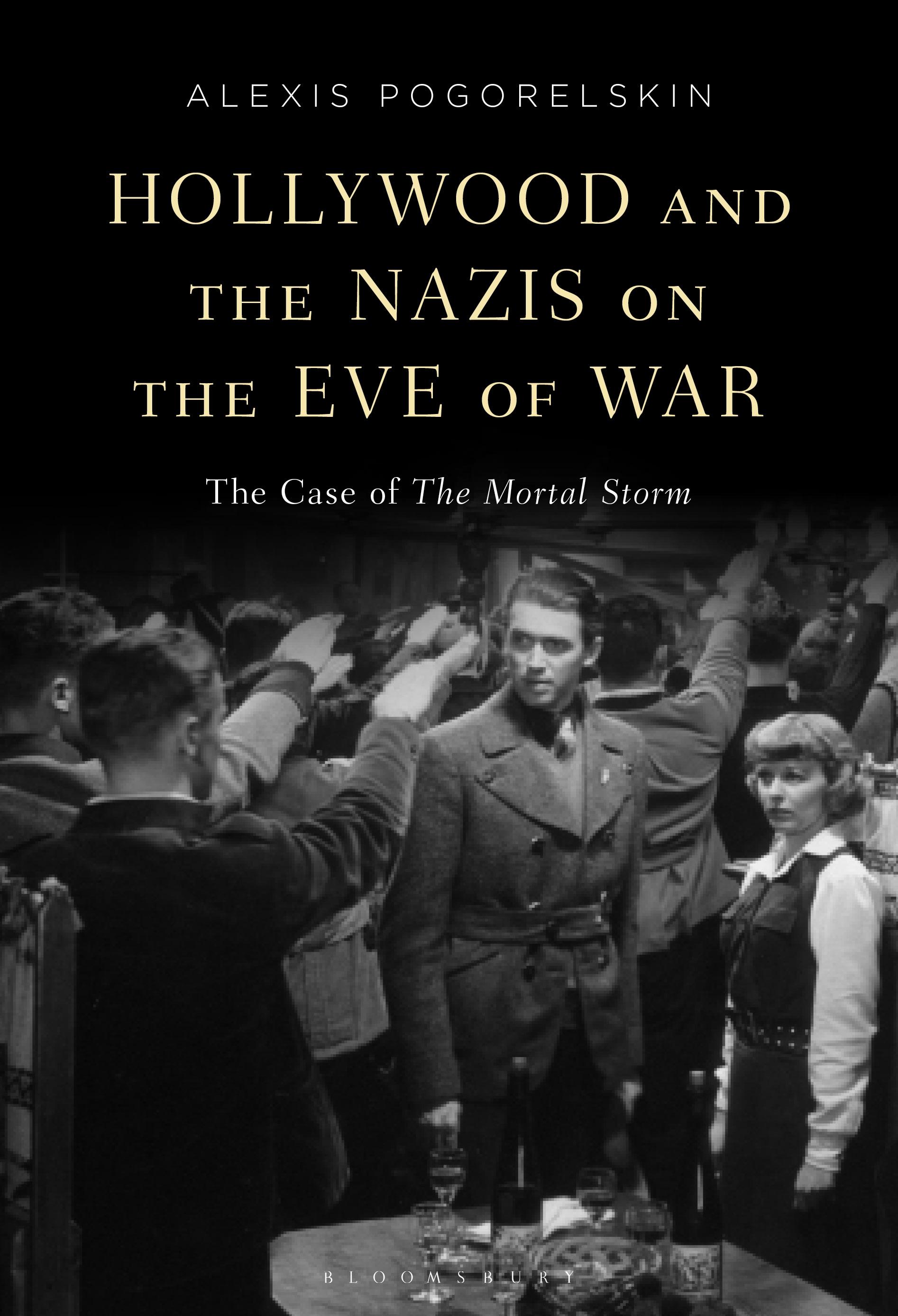
This book establishes the profound significance of MGM's 1940 film The Mortal Storm, the first major Hollywood production to depict the plight of Jews in Germany before the Holocaust.
Based on Phyllis Bottome's best seller, also titled The Mortal Storm, the film was made amidst the bitter debate that occurred between 1938 and 1941 over whether the United States should involve itself in another European war or remain an isolationist country, as Charles Lindbergh among others urged.
In 1941, the film triggered the first hostile Congressional investigation of Hollywood where the studios were accused of allegedly propagandizing for war. Lindbergh had secretly urged the Hollywood hearings, inspired by his own growing antisemitism, as his unpublished diary reveals. Hollywood studios, in turn, regarded the growing European crisis with ambivalence. They feared being accused in a film like The Mortal Storm of using the movies to represent the fate of Europe's imperiled Jews. Louis B. Mayer, the head of MGM, insisted the word “Jew” be removed from the film and “non-Aryan” be used instead, hoping to confuse American audiences about the film's real intent.
Jimmy Stewart, who starred in the film, took it on the road to urge American aid to Britain, while Lindbergh prepared his own campaign to denounce American Jews for luring the country into war. The book reveals how closely Hollywood and politics were entwined on the eve of war. It also reveals how closely the plight of Europe's Jews and American antisemitism were entwined at the same time.
Based on Phyllis Bottome's best seller, also titled The Mortal Storm, the film was made amidst the bitter debate that occurred between 1938 and 1941 over whether the United States should involve itself in another European war or remain an isolationist country, as Charles Lindbergh among others urged.
In 1941, the film triggered the first hostile Congressional investigation of Hollywood where the studios were accused of allegedly propagandizing for war. Lindbergh had secretly urged the Hollywood hearings, inspired by his own growing antisemitism, as his unpublished diary reveals. Hollywood studios, in turn, regarded the growing European crisis with ambivalence. They feared being accused in a film like The Mortal Storm of using the movies to represent the fate of Europe's imperiled Jews. Louis B. Mayer, the head of MGM, insisted the word “Jew” be removed from the film and “non-Aryan” be used instead, hoping to confuse American audiences about the film's real intent.
Jimmy Stewart, who starred in the film, took it on the road to urge American aid to Britain, while Lindbergh prepared his own campaign to denounce American Jews for luring the country into war. The book reveals how closely Hollywood and politics were entwined on the eve of war. It also reveals how closely the plight of Europe's Jews and American antisemitism were entwined at the same time.
Strony: 352
Kategoria: Film- & Medievetenskap
e-ISBN: 9798765108130
Waga przesyłki: 1.2 kg
Wysyłka w ciągu: 1-2 dni
Płać wygodnie kartą, Klarną, Apple Pay lub Google Pay. Nie jesteś zadowolony? Zawsze masz 14-dniową gwarancję zwrotu pieniędzy. Więcej przeczytasz w naszych warunkach. Masz pytania? Napisz do nas na hello@memmo.org.
Memmo ułatwia naukę – gdziekolwiek jesteś na świecie. U nas znajdziesz podręczniki i sprytne narzędzia do nauki w jednym miejscu: streszczenia, quizy, podcasty i fiszki. A do tego Ted, Twój kumpel do nauki, który odpowie na wszystko, co Cię nurtuje. Ponad 50 000 studentów już tu się uczy – stworzone, byś uczył się szybciej i mniej stresował.