
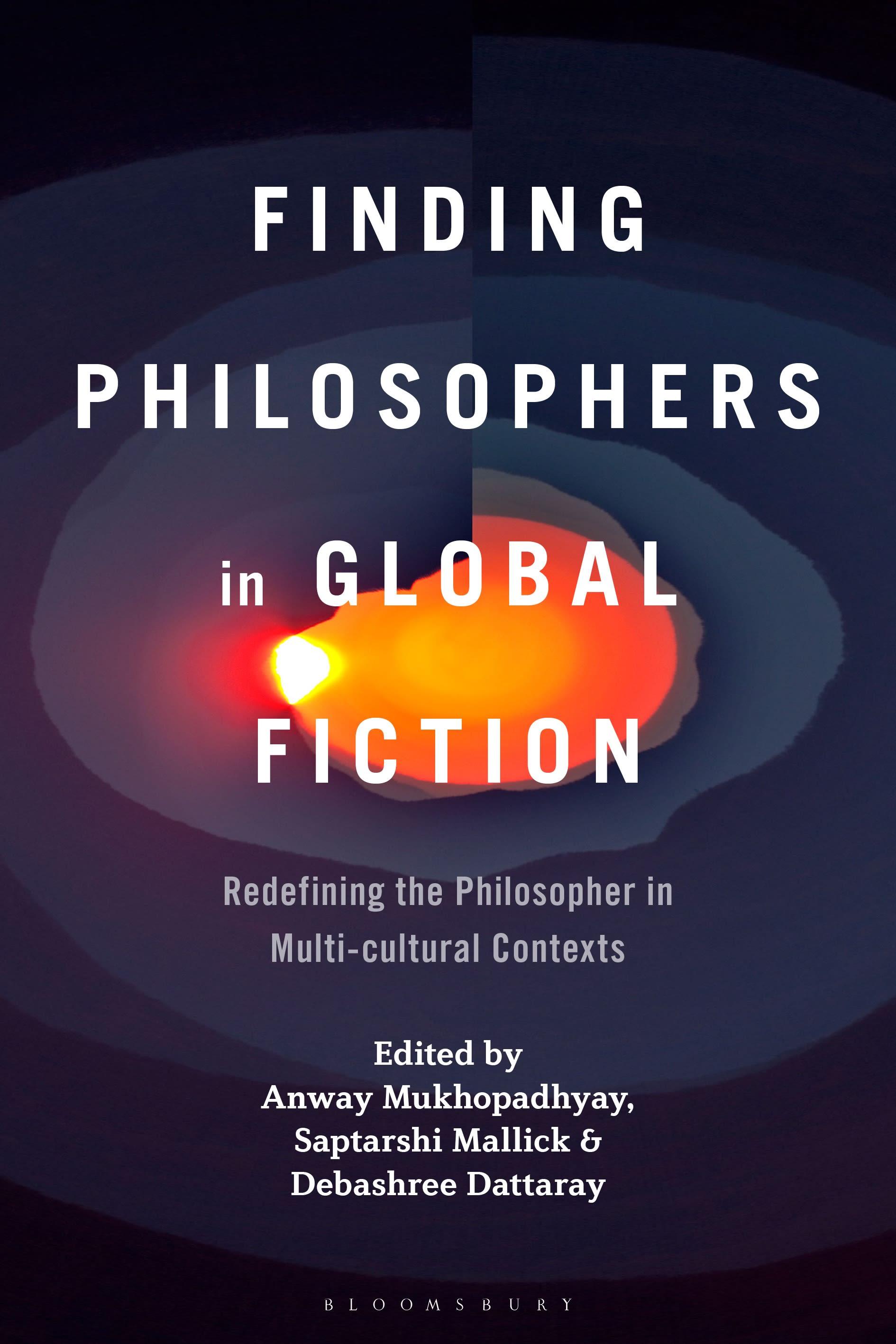
A cross-cultural study that explores and redefines what philosophy, philosophizing, and philosophers are through the lens of literature.
The academic discipline of philosophy may tell us, too rigidly, what a philosopher is or should be; but fictional narration often upholds the core conundrums of humankind in which philosophy germinates. This collection of essays explores whether a study of 'philosophers' at a planetary scale, or at least on a broad cross-cultural spectrum, can decouple philosophy from its academic aspect and lend it a more inclusive domain.
Contributors to this volume play with three conceptual poles, making them interact with each other and get modified through this interaction: 'fiction', 'narrative' and 'philosopher'. How do these three terms get semantically modified and broadened in scope when we speak of the figures of philosophers in imaginative writing? How do these terms assume different connotations in different cultural contexts, interacting with the multiplicity of not just 'thought', but also the media and tools of 'thought'? Do we always think only rationally? Or do we also think with and through emotively powerful images, symbols and tropes? In the end, Finding Philosophers in Global Fiction insists on the need to 'de-elitize' and democratize the concept of a 'philosopher' by reflecting on the possibility of seeing a philosopher as one who sees things clearly, from any vantage point.
The academic discipline of philosophy may tell us, too rigidly, what a philosopher is or should be; but fictional narration often upholds the core conundrums of humankind in which philosophy germinates. This collection of essays explores whether a study of 'philosophers' at a planetary scale, or at least on a broad cross-cultural spectrum, can decouple philosophy from its academic aspect and lend it a more inclusive domain.
Contributors to this volume play with three conceptual poles, making them interact with each other and get modified through this interaction: 'fiction', 'narrative' and 'philosopher'. How do these three terms get semantically modified and broadened in scope when we speak of the figures of philosophers in imaginative writing? How do these terms assume different connotations in different cultural contexts, interacting with the multiplicity of not just 'thought', but also the media and tools of 'thought'? Do we always think only rationally? Or do we also think with and through emotively powerful images, symbols and tropes? In the end, Finding Philosophers in Global Fiction insists on the need to 'de-elitize' and democratize the concept of a 'philosopher' by reflecting on the possibility of seeing a philosopher as one who sees things clearly, from any vantage point.
Płać wygodnie kartą, Klarną, Apple Pay lub Google Pay. Nie jesteś zadowolony? Zawsze masz 14-dniową gwarancję zwrotu pieniędzy. Więcej przeczytasz w naszych warunkach. Masz pytania? Napisz do nas na hello@memmo.org.
Memmo ułatwia naukę – gdziekolwiek jesteś na świecie. U nas znajdziesz podręczniki i sprytne narzędzia do nauki w jednym miejscu: streszczenia, quizy, podcasty i fiszki. A do tego Ted, Twój kumpel do nauki, który odpowie na wszystko, co Cię nurtuje. Ponad 50 000 studentów już tu się uczy – stworzone, byś uczył się szybciej i mniej stresował.