
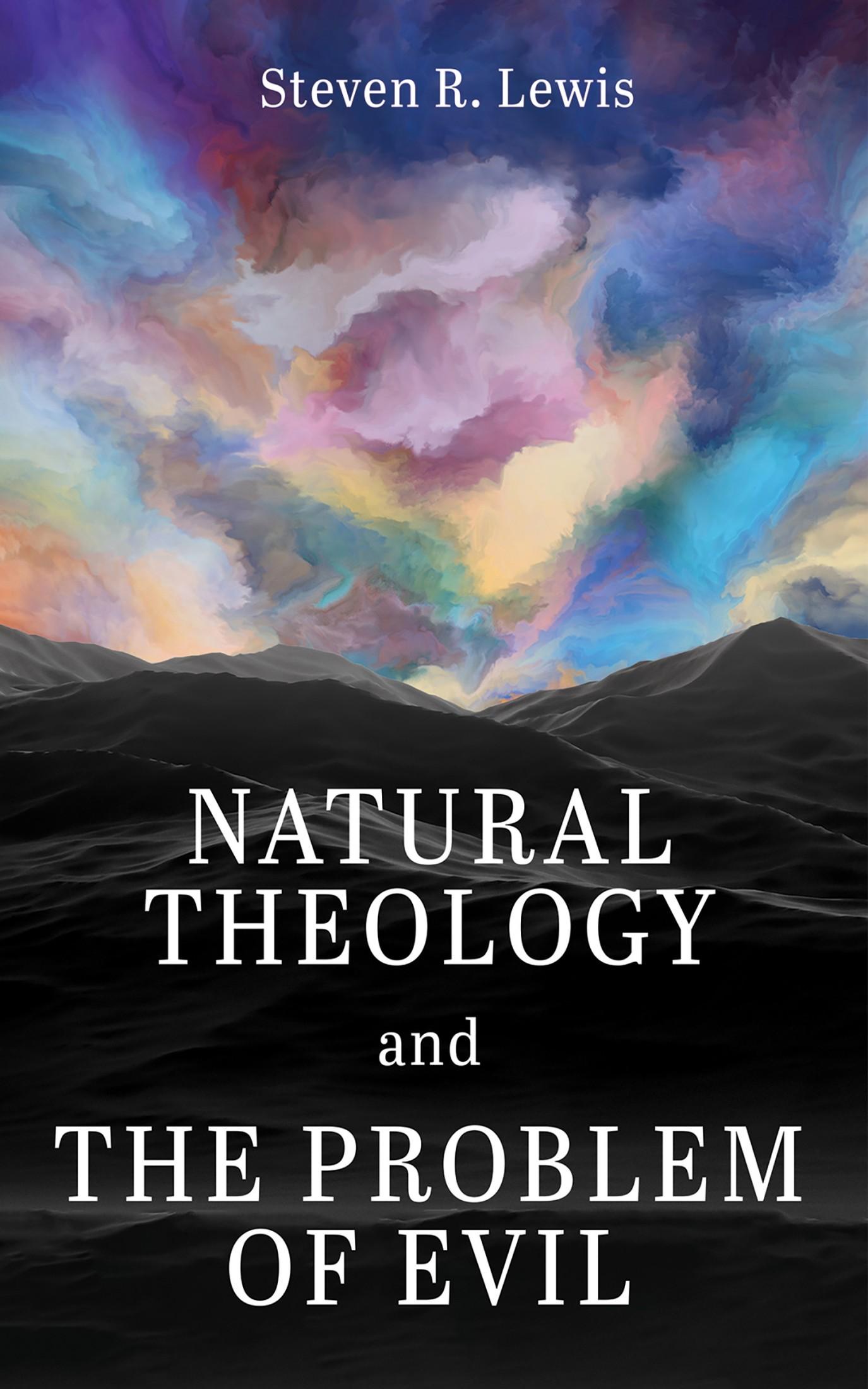
The problem of evil is among the most significant philosophical arguments posed against the existence of God. Crucial to this argument is the premise that God, on account of his divine moral perfection, is necessarily constrained to prevent or mitigate evil whenever it is possible for him to do so. Natural Theology and the Problem of Evil offers a unique resolution to this challenge by focusing first on the necessary truths of God’s existence and nature via a systematic natural theology. By starting with these first principles, the theist is left with a confidence in God’s existence and nature (as omniscient, omnipotent, and perfectly good) sufficient to overcome the problem of evil. The theistic foundations that emerge result in a denial of any moral obligation that God might have to intervene in a well-ordered creation. Thus God, on account of his nature and attributes as well as the nature of evil and the natural operation of the world, is under no moral constraint to always prevent evil in the manner required by the evidential argument, and thus proposed instances of gratuitous evil are necessarily compatible with the existence of God.
Płać wygodnie kartą, Klarną, Apple Pay lub Google Pay. Nie jesteś zadowolony? Zawsze masz 14-dniową gwarancję zwrotu pieniędzy. Więcej przeczytasz w naszych warunkach. Masz pytania? Napisz do nas na hello@memmo.org.
Memmo ułatwia naukę – gdziekolwiek jesteś na świecie. U nas znajdziesz podręczniki i sprytne narzędzia do nauki w jednym miejscu: streszczenia, quizy, podcasty i fiszki. A do tego Ted, Twój kumpel do nauki, który odpowie na wszystko, co Cię nurtuje. Ponad 50 000 studentów już tu się uczy – stworzone, byś uczył się szybciej i mniej stresował.
Może Ci się spodobać
Kup książkę0