
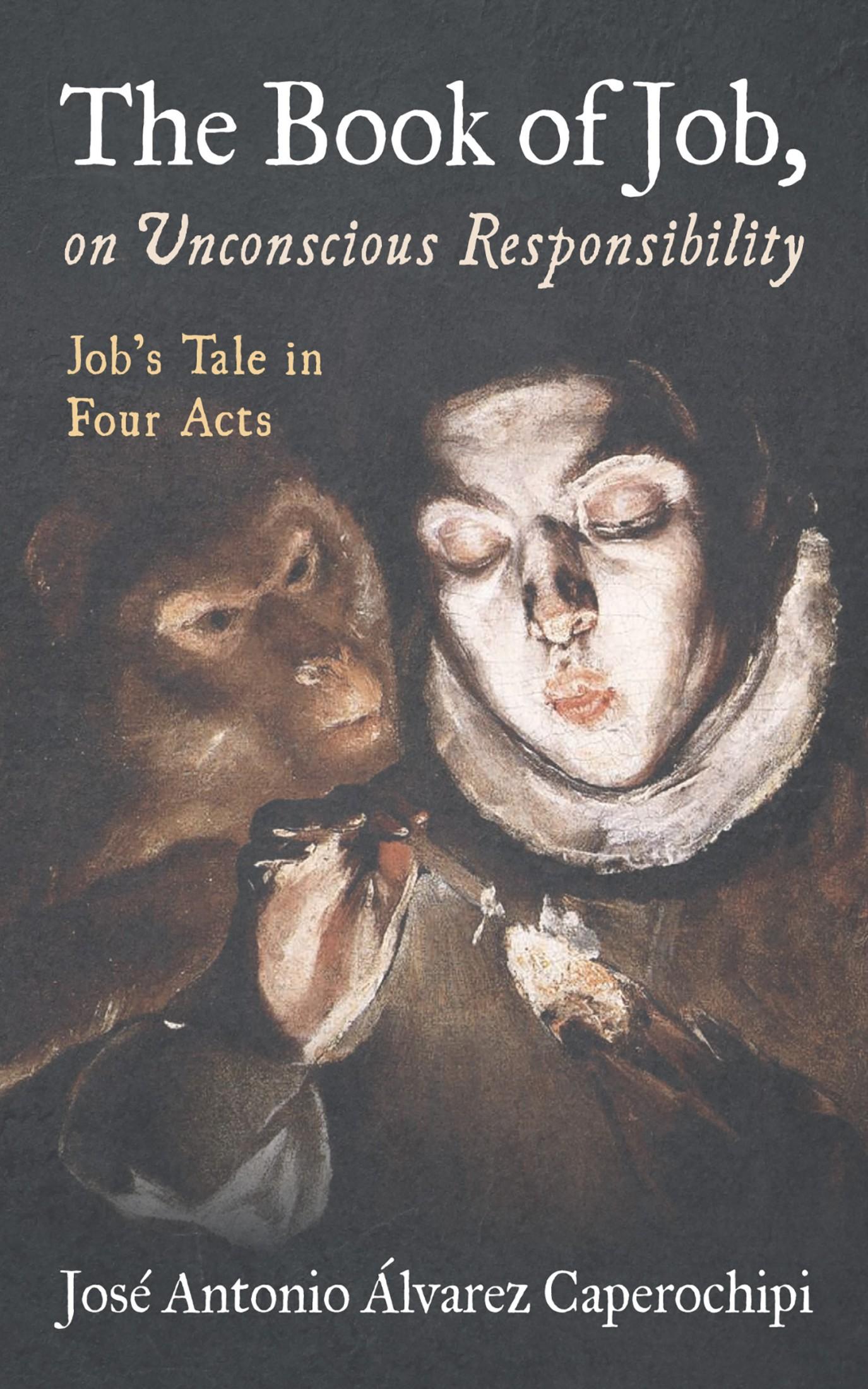
Through a multidisciplinary reading--yet grounded in civil and criminal law--this book analyzes the theories of guilt and responsibility in Job's debate with his friends and in his responses to the theophanies. The biblical text thus becomes a debate on the foundations of legal organization and the relationship between law and religion.
The essay is offered from a rational and secular perspective, with no prior religious dogma, while remaining respectful of religion as one of humanity's deepest intellectual and artistic achievements. The work interprets the book of Job as a critique of the doctrines of sacrifice and submission as the foundations of religion.
The book of Job poses an allegory of Jewish dilemma after the fall of the Persian Empire, when the morality of collective guilt entered into crisis and divine justice is rethought in terms of personal responsibility. This perspective is justified on a commentary of Jewish sources and their influence on the development of Christian and secular thought. Job, his friends, Satan, Job's wife, and the theophanies embody legal and ethical tensions still relevant today: collective versus personal guilt, sacrifice versus justice, social organization versus individual freedom.
Płać wygodnie kartą, Klarną, Apple Pay lub Google Pay. Nie jesteś zadowolony? Zawsze masz 14-dniową gwarancję zwrotu pieniędzy. Więcej przeczytasz w naszych warunkach. Masz pytania? Napisz do nas na hello@memmo.org.
Memmo ułatwia naukę – gdziekolwiek jesteś na świecie. U nas znajdziesz podręczniki i sprytne narzędzia do nauki w jednym miejscu: streszczenia, quizy, podcasty i fiszki. A do tego Ted, Twój kumpel do nauki, który odpowie na wszystko, co Cię nurtuje. Ponad 50 000 studentów już tu się uczy – stworzone, byś uczył się szybciej i mniej stresował.
Może Ci się spodobać
Kup książkę0