
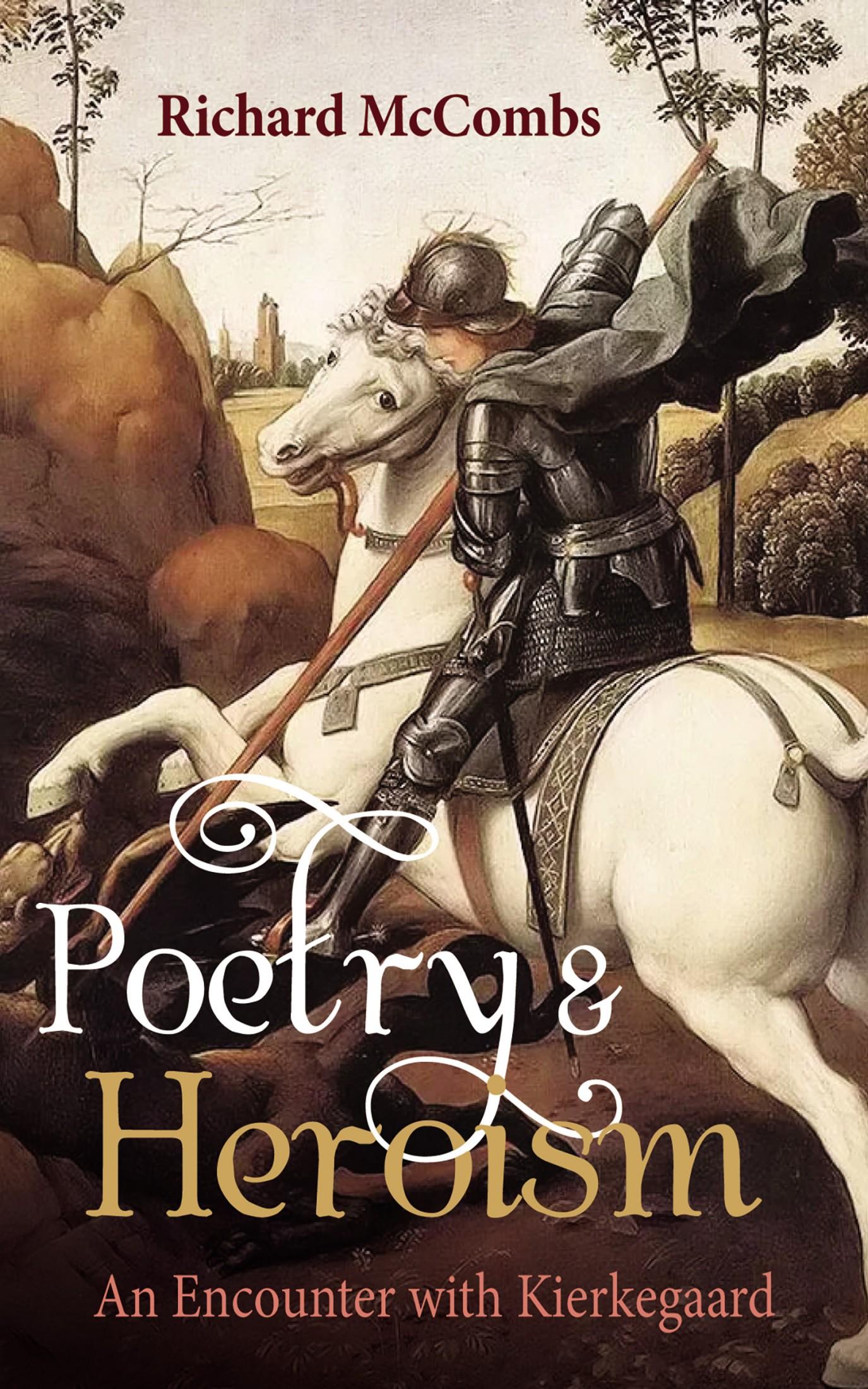
Kierkegaard lamented that many people find life distressingly empty, devoid of consolation, and a cause for despair; and set out to provide a remedy to this malaise. As a "singular kind of poet and thinker," he employed a holistic approach, which he strikingly called "dialectical lyric," to the all-important question of how we should live. His poetic task is to praise ideals, and heroes who represent them, in order to make readers profoundly appreciate the worth of the ideals, to help them experience intimately and concretely what it is like to serve something of infinite value, and thus to awaken them to their own heroic vocations. His task as a thinker or dialectician is to articulate the essence of competing ways of life, and to distinguish them from one another, so that it is possible to choose between them responsibly and without confusion. In Poetry and Heroism readers will encounter Kierkegaard's alluring invitation to live poetically and heroically, or to become the hero of one's own life, by striving passionately to become a faithful replica of ideals which can give profound meaning to human existence and which can help readers discover what Kierkegaard calls one's "eternal validity."
Płać wygodnie kartą, Klarną, Apple Pay lub Google Pay. Nie jesteś zadowolony? Zawsze masz 14-dniową gwarancję zwrotu pieniędzy. Więcej przeczytasz w naszych warunkach. Masz pytania? Napisz do nas na hello@memmo.org.
Memmo ułatwia naukę – gdziekolwiek jesteś na świecie. U nas znajdziesz podręczniki i sprytne narzędzia do nauki w jednym miejscu: streszczenia, quizy, podcasty i fiszki. A do tego Ted, Twój kumpel do nauki, który odpowie na wszystko, co Cię nurtuje. Ponad 50 000 studentów już tu się uczy – stworzone, byś uczył się szybciej i mniej stresował.
Może Ci się spodobać
Kup książkę0