
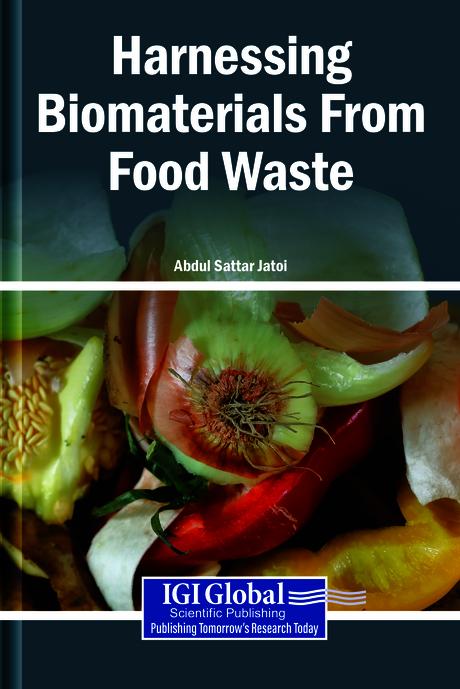
As global food waste reaches unprecedented levels, industries are increasingly turning to biomaterials created from discarded food resources as a sustainable solution to economic challenges. Harnessing biomaterials from food waste involves transforming byproducts such as fruit peels, shells, and spent grains into valuable materials for applications in packaging, medicine, and energy. This approach not only reduces landfill waste and greenhouse gas emissions but also supports circular economy models by maximizing resource efficiency. By converting food waste into high-value biomaterials, scientists and policymakers aim to address pressing sustainability concerns while creating innovation in green technology and materials science. Harnessing Biomaterials From Food Waste explores the composites produced from agricultural and food processing residues. It examines the way food waste can turn into sustainable materials in green innovation. Covering topics such as food waste, biomaterials, and sustainability, this book is an excellent resource for researchers, industry leaders, policymakers, entrepreneurs, sustainable innovators, government officials, academicians, and graduate students.
Strony: 398
Kategoria: Miljövetenskap & Klimat
e-ISBN: 9798337359144
Waga przesyłki: 1.2 kg
Wysyłka w ciągu: 1-2 dni
Płać wygodnie kartą, Klarną, Apple Pay lub Google Pay. Nie jesteś zadowolony? Zawsze masz 14-dniową gwarancję zwrotu pieniędzy. Więcej przeczytasz w naszych warunkach. Masz pytania? Napisz do nas na hello@memmo.org.
Memmo ułatwia naukę – gdziekolwiek jesteś na świecie. U nas znajdziesz podręczniki i sprytne narzędzia do nauki w jednym miejscu: streszczenia, quizy, podcasty i fiszki. A do tego Ted, Twój kumpel do nauki, który odpowie na wszystko, co Cię nurtuje. Ponad 50 000 studentów już tu się uczy – stworzone, byś uczył się szybciej i mniej stresował.
Może Ci się spodobać
Kup książkę0