
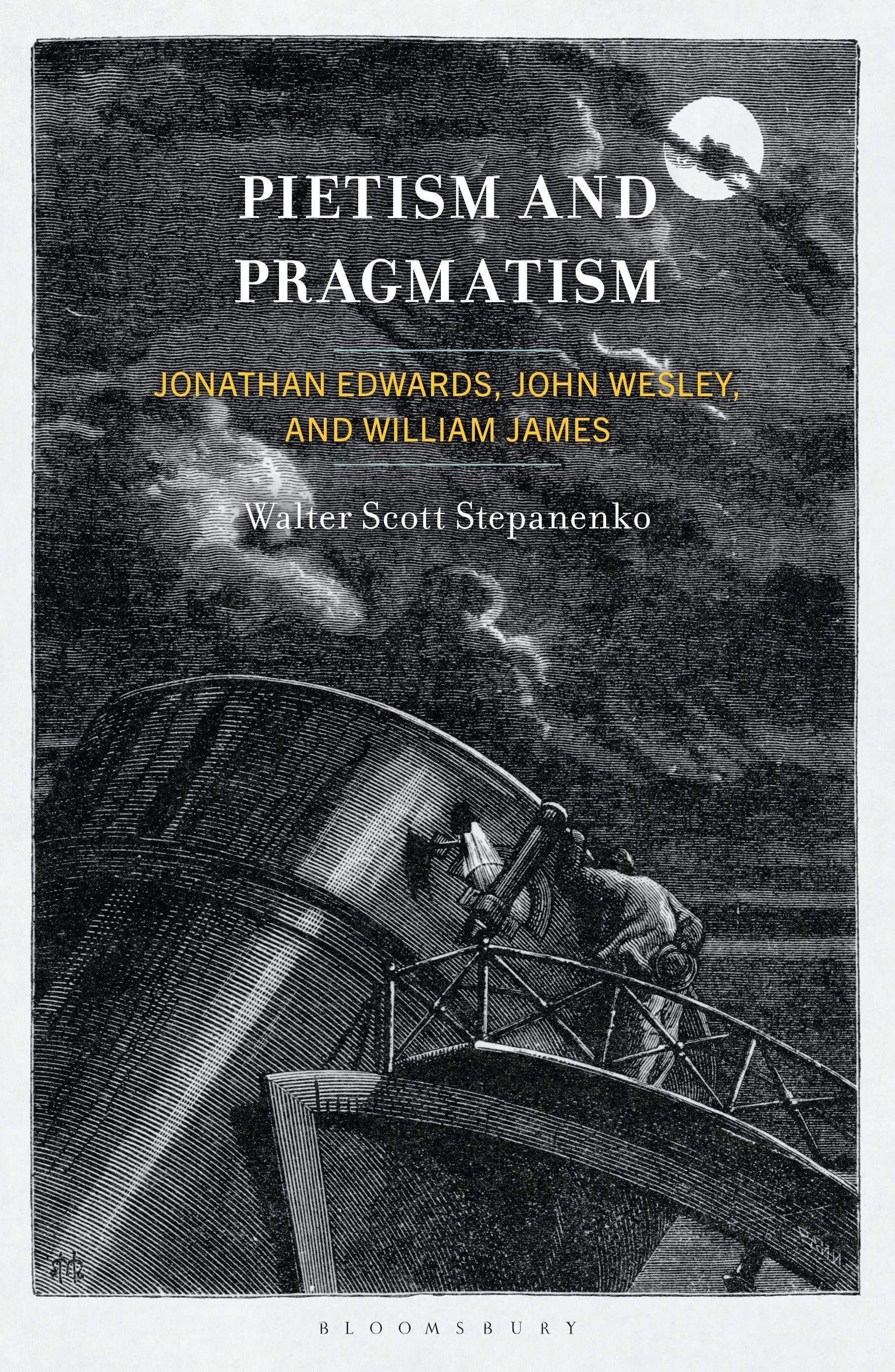
Identifying the theological background for the later classical exposition of pragmatism by William James illuminates a method that can shift the parameters of contemporary philosophy of religion discourse and contribute to the development of novel solutions to perennial problems.
Often associated with secular philosophical approaches, pragmatism is not often appreciated for its connection to spiritual and religious traditions and is often ignored in contemporary philosophy of religion. Walter Scott Stepanenko argues that Awakening-era figures such as John Wesley and Jonathan Edwards developed an apologetic literature that prefigures classical pragmatism and suggests the relevance of pragmatism to philosophy of religion. While pietists such as Wesley and Edwards are unified in a commitment to perfect being theism and to Christianity, William James stands in opposition to them as a philosopher who believes that moral and scientific developments make it likely that God is not perfect and that Christianity is false. This debate remains relevant to contemporary concerns about theism and the methodological overlap between pietism and pragmatism raises questions about how this method can inform a contemporary treatment of this debate.
This book suggests that a contemporary reconstruction of pietists and pragmatists shared method can inspire a view according to which positive epistemic status accrues to beliefs with practical support with the result that spirituality and religion remain live options, even as big picture questions about the nature of God and the truth of Christianity remain.
Often associated with secular philosophical approaches, pragmatism is not often appreciated for its connection to spiritual and religious traditions and is often ignored in contemporary philosophy of religion. Walter Scott Stepanenko argues that Awakening-era figures such as John Wesley and Jonathan Edwards developed an apologetic literature that prefigures classical pragmatism and suggests the relevance of pragmatism to philosophy of religion. While pietists such as Wesley and Edwards are unified in a commitment to perfect being theism and to Christianity, William James stands in opposition to them as a philosopher who believes that moral and scientific developments make it likely that God is not perfect and that Christianity is false. This debate remains relevant to contemporary concerns about theism and the methodological overlap between pietism and pragmatism raises questions about how this method can inform a contemporary treatment of this debate.
This book suggests that a contemporary reconstruction of pietists and pragmatists shared method can inspire a view according to which positive epistemic status accrues to beliefs with practical support with the result that spirituality and religion remain live options, even as big picture questions about the nature of God and the truth of Christianity remain.
Płać wygodnie kartą, Klarną, Apple Pay lub Google Pay. Nie jesteś zadowolony? Zawsze masz 14-dniową gwarancję zwrotu pieniędzy. Więcej przeczytasz w naszych warunkach. Masz pytania? Napisz do nas na hello@memmo.org.
Memmo ułatwia naukę – gdziekolwiek jesteś na świecie. U nas znajdziesz podręczniki i sprytne narzędzia do nauki w jednym miejscu: streszczenia, quizy, podcasty i fiszki. A do tego Ted, Twój kumpel do nauki, który odpowie na wszystko, co Cię nurtuje. Ponad 50 000 studentów już tu się uczy – stworzone, byś uczył się szybciej i mniej stresował.