
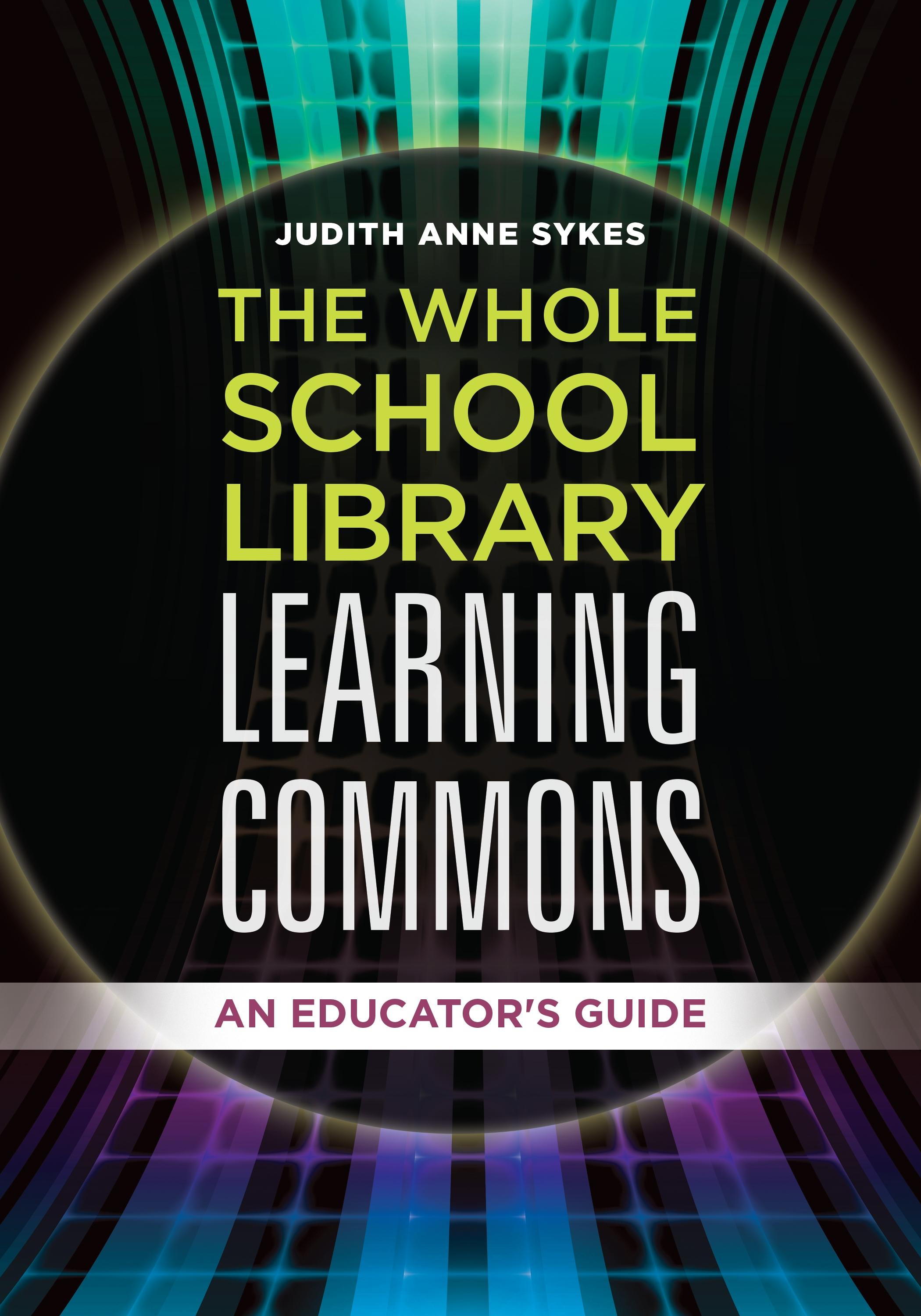
Introduce your teachers, librarians, and administrators to the roles and responsibilities of educators in advocating a whole school library learning commons using this step-by-step guide for creating shared learning space in your school.
It is no surprise that technology has shifted the way we educate—bearing on how, what, and where we learn. This guide lays the framework for helping turn your school library into a whole school library learning commons (WSLLC)—a space where traditional academics merge with the latest technologies to engage learners in a way never before realized.
Author Judith Anne Sykes contends that since the WSLLC philosophy allows staff and students to co-create knowledge in a shared space, it is more effective than the traditional approach. Sykes addresses the differences between a school library and a WSLLC, provides reasons to champion its creation in your institution, and discusses how to use mentoring as a means to sustain its survival. The book explores the roles and responsibilities of educators in developing WSLLC goals and presents strategies for using typical assessment tools—including standardized tests, report cards, and anecdotal assessments—to help support its philosophy.
It is no surprise that technology has shifted the way we educate—bearing on how, what, and where we learn. This guide lays the framework for helping turn your school library into a whole school library learning commons (WSLLC)—a space where traditional academics merge with the latest technologies to engage learners in a way never before realized.
Author Judith Anne Sykes contends that since the WSLLC philosophy allows staff and students to co-create knowledge in a shared space, it is more effective than the traditional approach. Sykes addresses the differences between a school library and a WSLLC, provides reasons to champion its creation in your institution, and discusses how to use mentoring as a means to sustain its survival. The book explores the roles and responsibilities of educators in developing WSLLC goals and presents strategies for using typical assessment tools—including standardized tests, report cards, and anecdotal assessments—to help support its philosophy.
Płać wygodnie kartą, Klarną, Apple Pay lub Google Pay. Nie jesteś zadowolony? Zawsze masz 14-dniową gwarancję zwrotu pieniędzy. Więcej przeczytasz w naszych warunkach. Masz pytania? Napisz do nas na hello@memmo.org.
Memmo ułatwia naukę – gdziekolwiek jesteś na świecie. U nas znajdziesz podręczniki i sprytne narzędzia do nauki w jednym miejscu: streszczenia, quizy, podcasty i fiszki. A do tego Ted, Twój kumpel do nauki, który odpowie na wszystko, co Cię nurtuje. Ponad 50 000 studentów już tu się uczy – stworzone, byś uczył się szybciej i mniej stresował.