
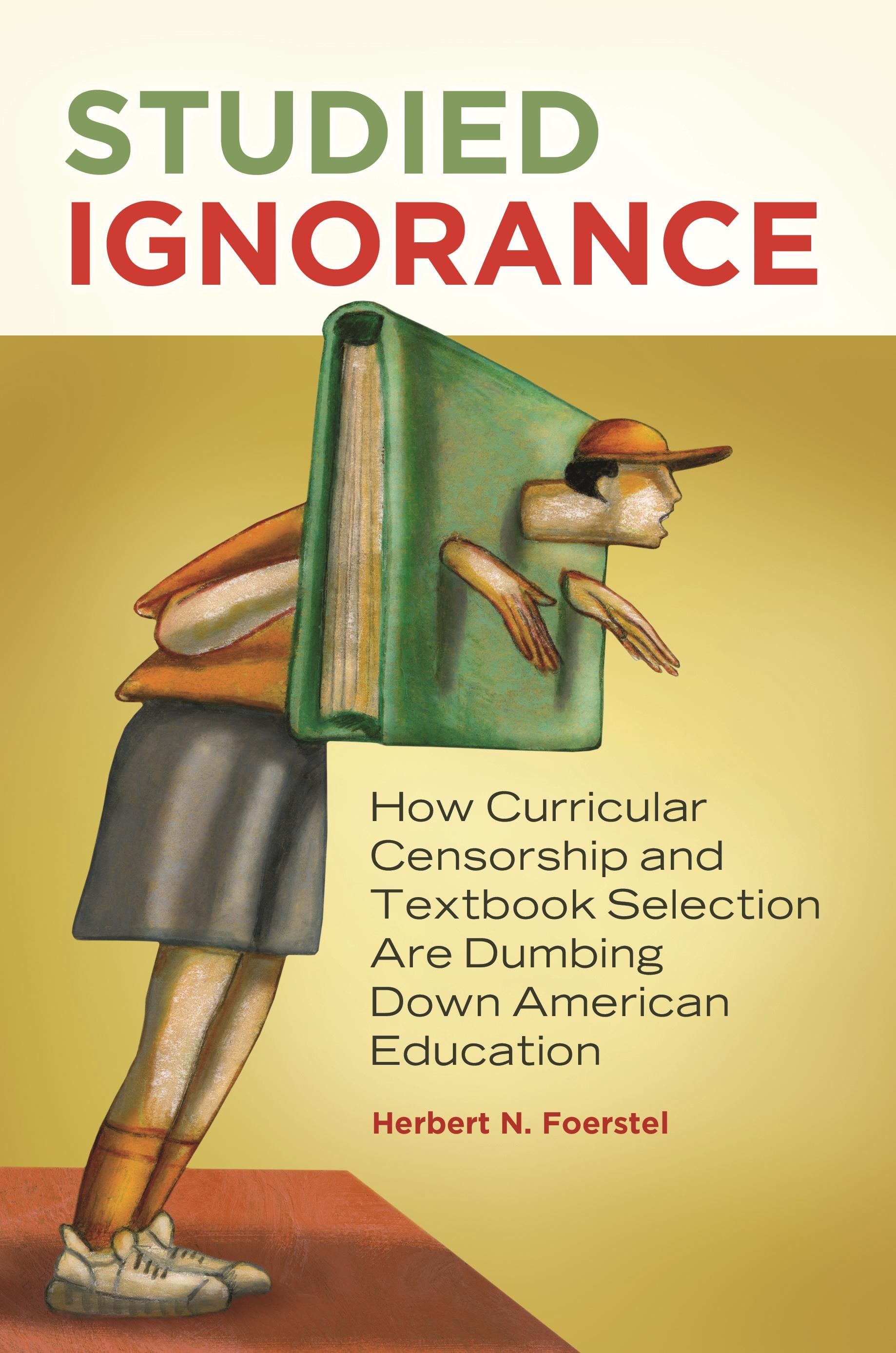
Despite concerted efforts from our educators, administrators, and government, American education continues to struggle. The author of this work argues that the decline can be traced to censored curricula, inaccurate textbooks, test-driven evaluations, and increasing poverty among the student population.
Under the definition of "failure" specified in the No Child Left Behind Act, more than 80 percent of American schools could currently be labeled as failing, while the quality of American education overall and our students' performance continue to rank unfavorably against international competition. This book examines the crisis in American education and identifies how weaknesses in textbooks, teaching, and testing have created the crisis facing American education—a topic that dramatically affects students, teachers, and parents.
Author Herbert N. Foerstel exposes the textbook "wars" that began a century ago and rage on with even more venom today. His book traces the legal basis for curricular censorship that dates back 75 years; identifies the bizarre process by which shoddy textbooks have been written, published, and come to be widely accepted; and documents the disastrous effect that reliance on these materials has had on the curriculum. Foerstel also supplies a careful assessment of the current political debate over education reform and of the proposed solutions to these problems.
Under the definition of "failure" specified in the No Child Left Behind Act, more than 80 percent of American schools could currently be labeled as failing, while the quality of American education overall and our students' performance continue to rank unfavorably against international competition. This book examines the crisis in American education and identifies how weaknesses in textbooks, teaching, and testing have created the crisis facing American education—a topic that dramatically affects students, teachers, and parents.
Author Herbert N. Foerstel exposes the textbook "wars" that began a century ago and rage on with even more venom today. His book traces the legal basis for curricular censorship that dates back 75 years; identifies the bizarre process by which shoddy textbooks have been written, published, and come to be widely accepted; and documents the disastrous effect that reliance on these materials has had on the curriculum. Foerstel also supplies a careful assessment of the current political debate over education reform and of the proposed solutions to these problems.
Płać wygodnie kartą, Klarną, Apple Pay lub Google Pay. Nie jesteś zadowolony? Zawsze masz 14-dniową gwarancję zwrotu pieniędzy. Więcej przeczytasz w naszych warunkach. Masz pytania? Napisz do nas na hello@memmo.org.
Memmo ułatwia naukę – gdziekolwiek jesteś na świecie. U nas znajdziesz podręczniki i sprytne narzędzia do nauki w jednym miejscu: streszczenia, quizy, podcasty i fiszki. A do tego Ted, Twój kumpel do nauki, który odpowie na wszystko, co Cię nurtuje. Ponad 50 000 studentów już tu się uczy – stworzone, byś uczył się szybciej i mniej stresował.