
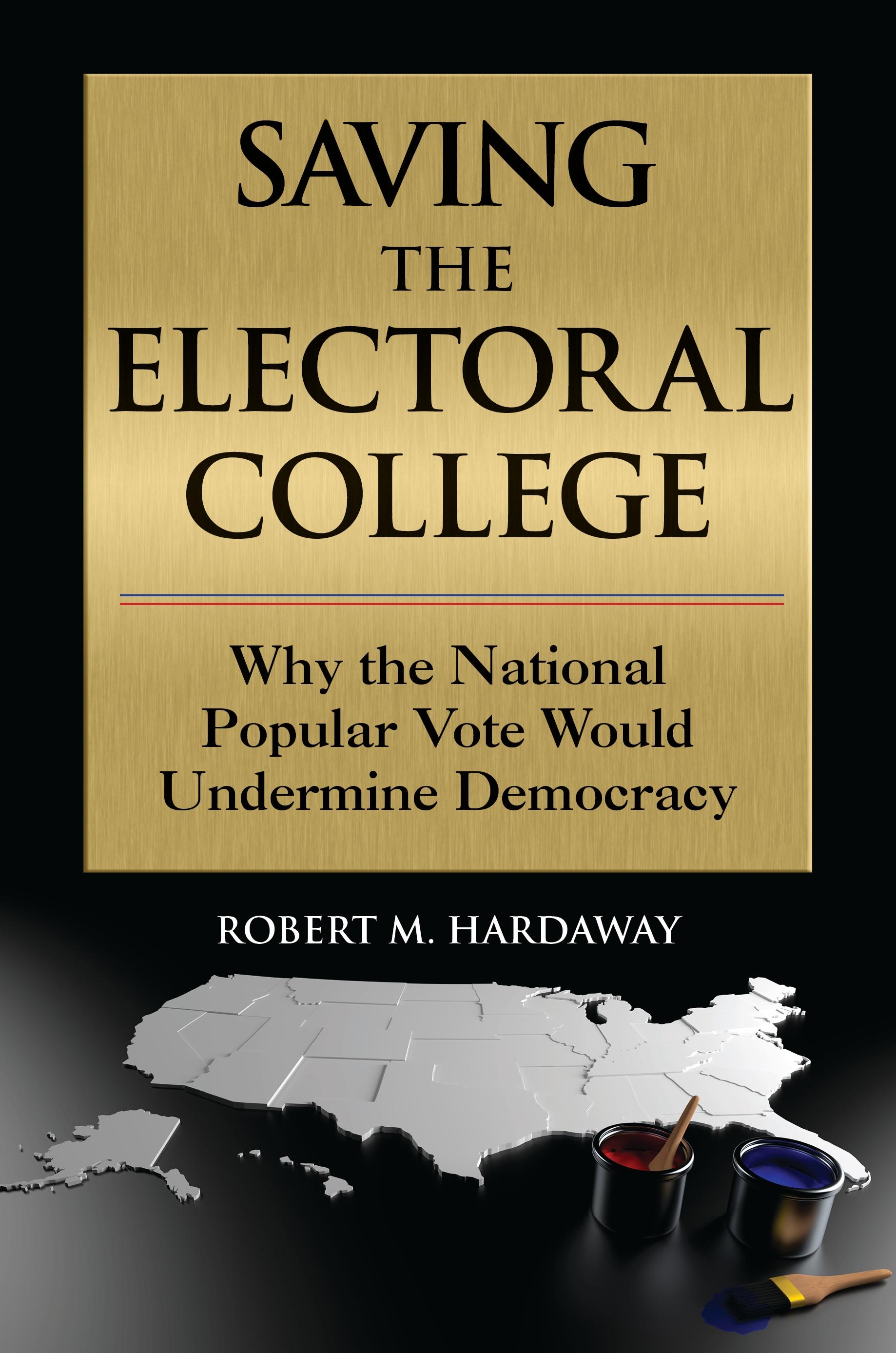
The 2016 election caused many pundits and citizens alike to decry the Electoral College. This book explains the dangerous and unconstitutional implications of the National Popular Vote Bill, which is quietly passing in state houses across the nation.
Ever since the Founding Fathers created the Electoral College, Congress has tried to overturn it. The latest attempt is taking place not in Congress, but in state legislatures around the country, where a well-financed campaign by a private California group calling itself "National Popular Vote" (NPV) is proposing an "interstate compact" to circumvent the process for amending the U.S. Constitution. If adopted by states representing a majority of electoral votes, the signatory states would bind themselves to ignore the popular votes within their respective states, and instead allocate their electoral votes to the candidate whom the media proclaimed to be the "national popular vote" winner.
In this new history of the Electoral College, law professor Robert M. Hardaway lays bare the constitutional loopholes that have allowed this movement to succeed in states representing approximately half the electoral votes necessary to purportedly bind those states to ignore the popular vote of the people within their respective states. The presentation of the information in this book to state legislatures considering the compact, resulted in complete reversal of preconceived perceptions about how presidential elections should be conducted.
Ever since the Founding Fathers created the Electoral College, Congress has tried to overturn it. The latest attempt is taking place not in Congress, but in state legislatures around the country, where a well-financed campaign by a private California group calling itself "National Popular Vote" (NPV) is proposing an "interstate compact" to circumvent the process for amending the U.S. Constitution. If adopted by states representing a majority of electoral votes, the signatory states would bind themselves to ignore the popular votes within their respective states, and instead allocate their electoral votes to the candidate whom the media proclaimed to be the "national popular vote" winner.
In this new history of the Electoral College, law professor Robert M. Hardaway lays bare the constitutional loopholes that have allowed this movement to succeed in states representing approximately half the electoral votes necessary to purportedly bind those states to ignore the popular vote of the people within their respective states. The presentation of the information in this book to state legislatures considering the compact, resulted in complete reversal of preconceived perceptions about how presidential elections should be conducted.
Płać wygodnie kartą, Klarną, Apple Pay lub Google Pay. Nie jesteś zadowolony? Zawsze masz 14-dniową gwarancję zwrotu pieniędzy. Więcej przeczytasz w naszych warunkach. Masz pytania? Napisz do nas na hello@memmo.org.
Memmo ułatwia naukę – gdziekolwiek jesteś na świecie. U nas znajdziesz podręczniki i sprytne narzędzia do nauki w jednym miejscu: streszczenia, quizy, podcasty i fiszki. A do tego Ted, Twój kumpel do nauki, który odpowie na wszystko, co Cię nurtuje. Ponad 50 000 studentów już tu się uczy – stworzone, byś uczył się szybciej i mniej stresował.