
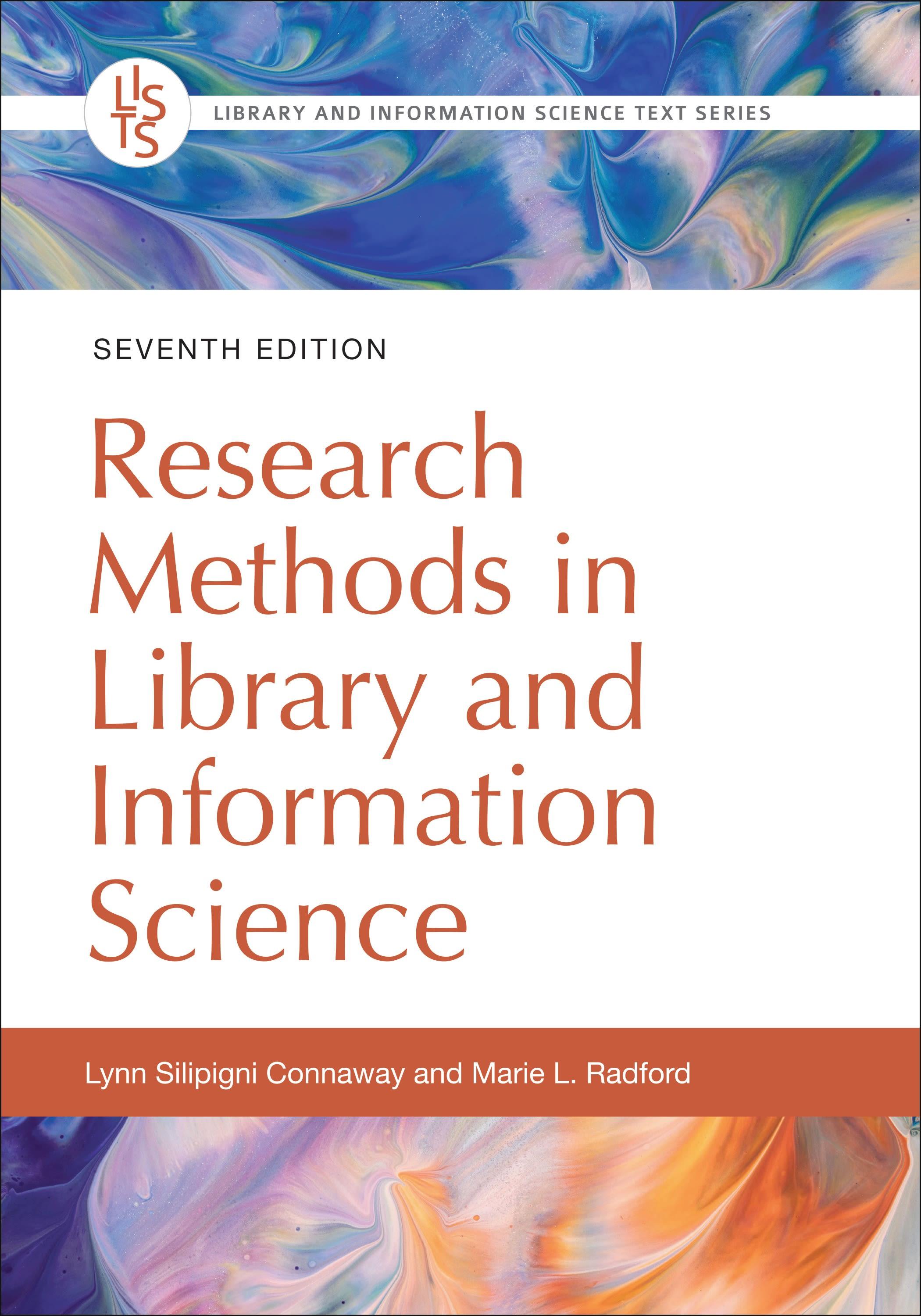
The seventh edition of this frequently adopted textbook features new or expanded sections on social justice research, data analysis software, scholarly identity research, social networking, data science, and data visualization, among other topics. It continues to include discipline experts' voices.
The revised seventh edition of this popular text provides instruction and guidance for professionals and students in library and information science who want to conduct research and publish findings, as well as for practicing professionals who want a broad overview of the current literature.
Providing a broad introduction to research design, the authors include principles, data collection techniques, and analyses of quantitative and qualitative methods, as well as advantages and limitations of each method and updated bibliographies. Chapters cover the scientific method, sampling, validity, reliability, and ethical concerns along with quantitative and qualitative methods. LIS students and professionals will consult this text not only for instruction on conducting research but also for guidance in critically reading and evaluating research publications, proposals, and reports.
As in the previous edition, discipline experts provide advice, tips, and strategies for completing research projects, dissertations, and theses; writing grants; overcoming writer's block; collaborating with colleagues; and working with outside consultants. Journal and book editors discuss how to publish and identify best practices and understudied topics, as well as what they look for in submissions.
The revised seventh edition of this popular text provides instruction and guidance for professionals and students in library and information science who want to conduct research and publish findings, as well as for practicing professionals who want a broad overview of the current literature.
Providing a broad introduction to research design, the authors include principles, data collection techniques, and analyses of quantitative and qualitative methods, as well as advantages and limitations of each method and updated bibliographies. Chapters cover the scientific method, sampling, validity, reliability, and ethical concerns along with quantitative and qualitative methods. LIS students and professionals will consult this text not only for instruction on conducting research but also for guidance in critically reading and evaluating research publications, proposals, and reports.
As in the previous edition, discipline experts provide advice, tips, and strategies for completing research projects, dissertations, and theses; writing grants; overcoming writer's block; collaborating with colleagues; and working with outside consultants. Journal and book editors discuss how to publish and identify best practices and understudied topics, as well as what they look for in submissions.
Płać wygodnie kartą, Klarną, Apple Pay lub Google Pay. Nie jesteś zadowolony? Zawsze masz 14-dniową gwarancję zwrotu pieniędzy. Więcej przeczytasz w naszych warunkach. Masz pytania? Napisz do nas na hello@memmo.org.
Memmo ułatwia naukę – gdziekolwiek jesteś na świecie. U nas znajdziesz podręczniki i sprytne narzędzia do nauki w jednym miejscu: streszczenia, quizy, podcasty i fiszki. A do tego Ted, Twój kumpel do nauki, który odpowie na wszystko, co Cię nurtuje. Ponad 50 000 studentów już tu się uczy – stworzone, byś uczył się szybciej i mniej stresował.