
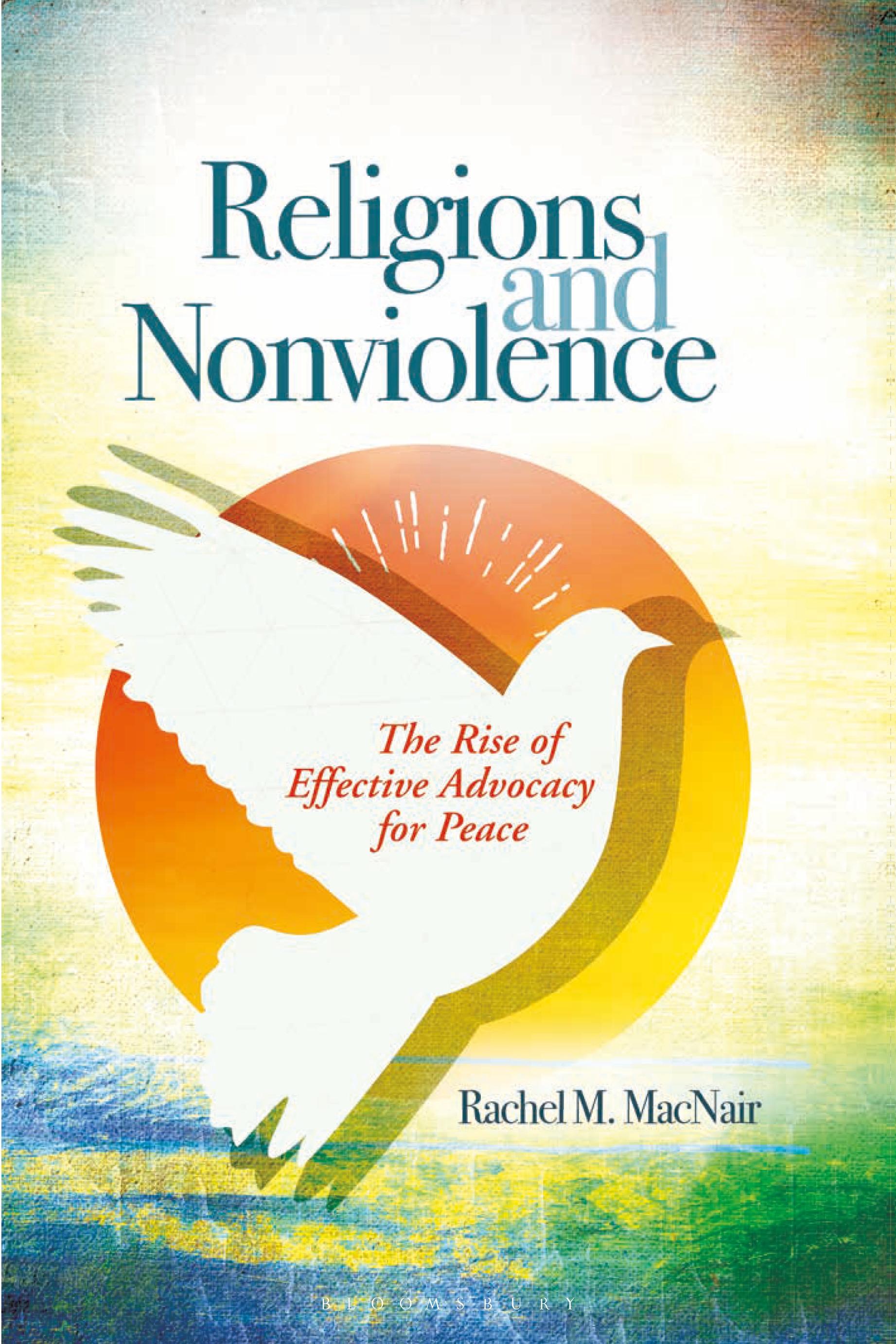
Covering the nonviolence traditions in all the major religions as well as the contributions of religious traditions to major nonviolent practices, this book addresses theories of nonviolence, considers each religion individually, and highlights what discrete religious perspectives have in common.
Covering all the major-and some of the larger minor-religions of the world, Religions and Nonviolence: The Rise of Effective Advocacy for Peace examines the rich history of how human thinking on nonviolence has developed and what each religion offers to the theory and practice of nonviolence, providing a counterpoint to the perspective that religion has largely inspired violence and intolerance. It also traces the contributions of religious traditions to secular nonviolent practices, recognizes and explains why religion has historically inspired violence, and provides additional resources for investigating the crossroads of religion and advocacy of nonviolence and peace.
The author addresses the nonviolence traditions in religions such as Bahai, Buddhism, Christianity, Ethical Atheism, the First Nations of North America, Judaism, Hinduism, Islam, Sikhism, Tenrikyo, and Revitalized Paganism. Ancient religions with important contributions to nonviolence-Zoroastrianism, Taoism, and Jainism-receive attention, as do Mo Tse and other Chinese philosophers as well as Pythagoras and other classical Greek thinkers. Students of religion, history of religion, sociology, or psychology will find this book key to achieving a balanced and therefore more accurate understanding of both religion and history. General readers will gain insights into the commonalities among different religions as well as each major religion's historical and current stances on issues of violence, such as human or animal sacrifice, slavery, war, and the death penalty.
Covering all the major-and some of the larger minor-religions of the world, Religions and Nonviolence: The Rise of Effective Advocacy for Peace examines the rich history of how human thinking on nonviolence has developed and what each religion offers to the theory and practice of nonviolence, providing a counterpoint to the perspective that religion has largely inspired violence and intolerance. It also traces the contributions of religious traditions to secular nonviolent practices, recognizes and explains why religion has historically inspired violence, and provides additional resources for investigating the crossroads of religion and advocacy of nonviolence and peace.
The author addresses the nonviolence traditions in religions such as Bahai, Buddhism, Christianity, Ethical Atheism, the First Nations of North America, Judaism, Hinduism, Islam, Sikhism, Tenrikyo, and Revitalized Paganism. Ancient religions with important contributions to nonviolence-Zoroastrianism, Taoism, and Jainism-receive attention, as do Mo Tse and other Chinese philosophers as well as Pythagoras and other classical Greek thinkers. Students of religion, history of religion, sociology, or psychology will find this book key to achieving a balanced and therefore more accurate understanding of both religion and history. General readers will gain insights into the commonalities among different religions as well as each major religion's historical and current stances on issues of violence, such as human or animal sacrifice, slavery, war, and the death penalty.
Płać wygodnie kartą, Klarną, Apple Pay lub Google Pay. Nie jesteś zadowolony? Zawsze masz 14-dniową gwarancję zwrotu pieniędzy. Więcej przeczytasz w naszych warunkach. Masz pytania? Napisz do nas na hello@memmo.org.
Memmo ułatwia naukę – gdziekolwiek jesteś na świecie. U nas znajdziesz podręczniki i sprytne narzędzia do nauki w jednym miejscu: streszczenia, quizy, podcasty i fiszki. A do tego Ted, Twój kumpel do nauki, który odpowie na wszystko, co Cię nurtuje. Ponad 50 000 studentów już tu się uczy – stworzone, byś uczył się szybciej i mniej stresował.