
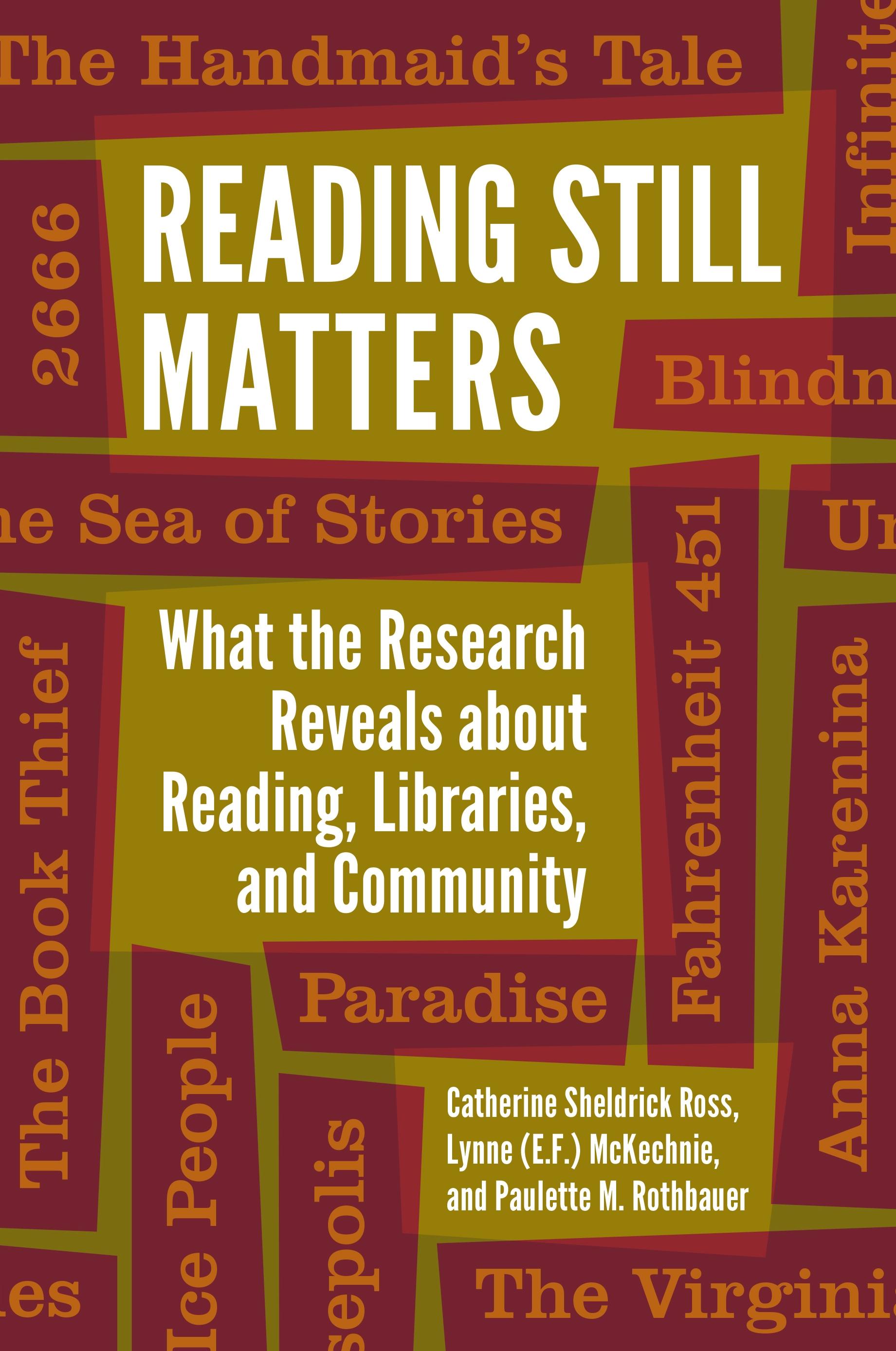
Drawing on scholarly research findings, this book presents a cogent case that librarians can use to work towards prioritization of reading in libraries and in schools.
Reading is more important than it has ever been—recent research on reading, such as PEW reports and Scholastic's "Kids and Family Reading Report," proves that fact. This new edition of Reading Matters provides powerful evidence that can be used to justify the establishment, maintenance, and growth of pleasure reading collections, both fiction and nonfiction, and of readers' advisory services. The authors assert that reading should be woven into the majority of library activities: reference, collection building, provision of leisure materials, readers' advisory services, storytelling and story time programs, adult literacy programs, and more.
This edition also addresses emergent areas of interest, such as e-reading, e-writing, and e-publishing; multiple literacies; visual texts; the ascendancy of young adult fiction; and fan fiction. A new chapter addresses special communities of YA readers. The book will help library administrators and personnel convey the importance of reading to grant-funding agencies, stakeholders, and the public at large. LIS faculty who wish to establish and maintain courses in readers' advisory will find it of particular interest.
Reading is more important than it has ever been—recent research on reading, such as PEW reports and Scholastic's "Kids and Family Reading Report," proves that fact. This new edition of Reading Matters provides powerful evidence that can be used to justify the establishment, maintenance, and growth of pleasure reading collections, both fiction and nonfiction, and of readers' advisory services. The authors assert that reading should be woven into the majority of library activities: reference, collection building, provision of leisure materials, readers' advisory services, storytelling and story time programs, adult literacy programs, and more.
This edition also addresses emergent areas of interest, such as e-reading, e-writing, and e-publishing; multiple literacies; visual texts; the ascendancy of young adult fiction; and fan fiction. A new chapter addresses special communities of YA readers. The book will help library administrators and personnel convey the importance of reading to grant-funding agencies, stakeholders, and the public at large. LIS faculty who wish to establish and maintain courses in readers' advisory will find it of particular interest.
Płać wygodnie kartą, Klarną, Apple Pay lub Google Pay. Nie jesteś zadowolony? Zawsze masz 14-dniową gwarancję zwrotu pieniędzy. Więcej przeczytasz w naszych warunkach. Masz pytania? Napisz do nas na hello@memmo.org.
Memmo ułatwia naukę – gdziekolwiek jesteś na świecie. U nas znajdziesz podręczniki i sprytne narzędzia do nauki w jednym miejscu: streszczenia, quizy, podcasty i fiszki. A do tego Ted, Twój kumpel do nauki, który odpowie na wszystko, co Cię nurtuje. Ponad 50 000 studentów już tu się uczy – stworzone, byś uczył się szybciej i mniej stresował.