
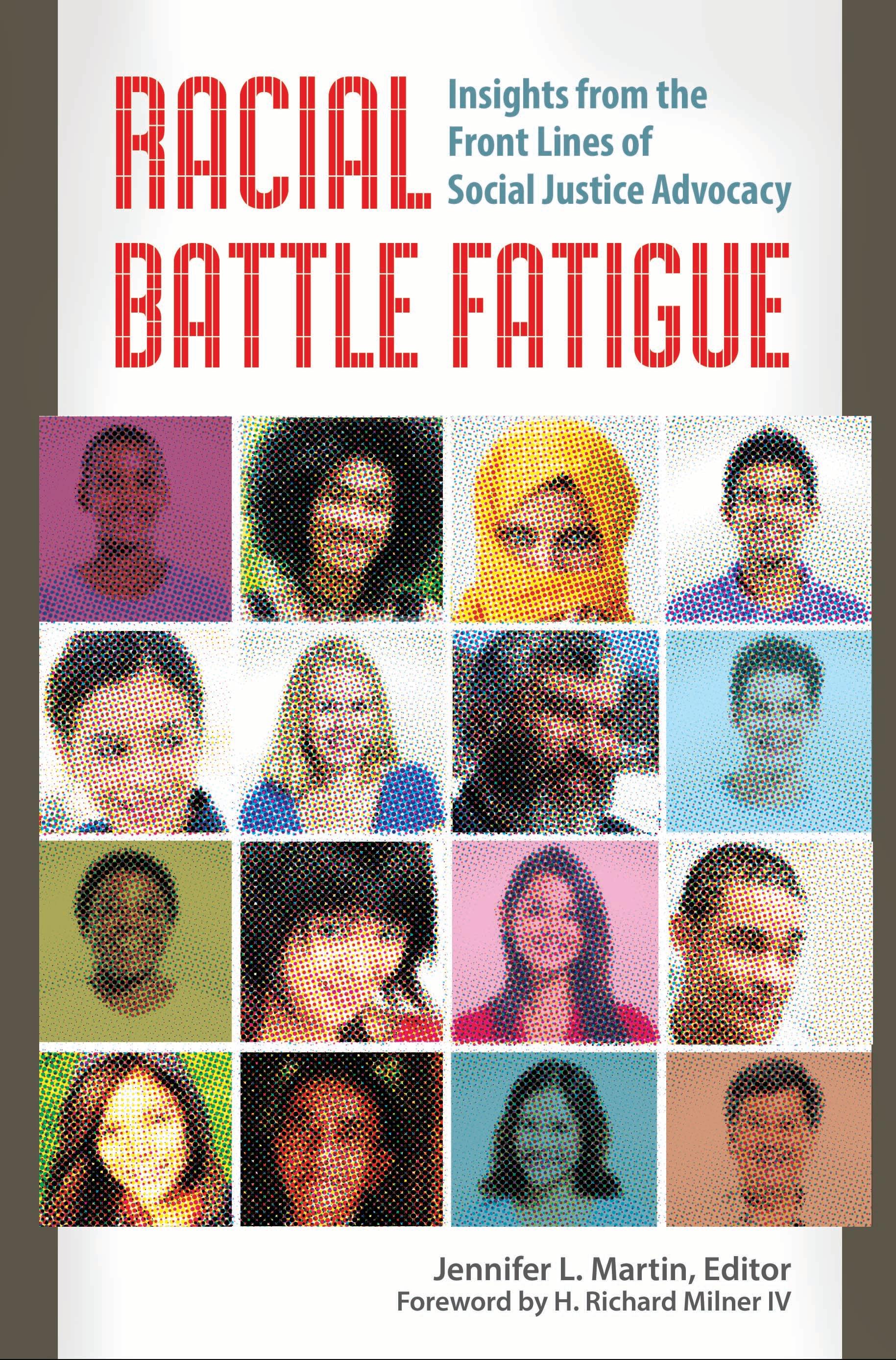
Covering equity issues of sex, race, class, age, sexual orientation, and disability, this work presents creative, nontraditional narratives about performing social justice work, acknowledging the contributions of previous generations, describing current challenges, and appealing to readers to join the struggle toward a better world.
Many would like to believe we are living as "post-racial" America, long past the days of discrimination and marginalization of people simply due to their race and minority status. However, editor Jennifer L. Martin and a breadth of expert contributors show that prejudice and discrimination are still very much alive in the United States. Sharing personal stories of challenges, aggressions, retaliations, and finally racial battle fatigue, these activists, practitioners, and scholars explain how they have been attacked—in subtle, shrouded, and sometimes outright ways—simply for whom and what they advocate: social justice.
The stories within consist of discussions on the interconnections among equity issues: sex, race, class, age, sexual orientation, and disability. Furthermore, the work relates current events such as the banning of ethnic studies in Arizona and the shooting of Trayvon Martin to the battle for social justice. Other topics addressed include the ongoing problems of white supremacist beliefs, the challenges of teaching about the racist thinking that permeates our media and popular culture, and the harms of aggressions faced by minorities and those possessing multiple minority status. The unique narratives presented in this single-volume work combine the various approaches to answering questions about not only the necessity of fighting for social justice but also the impact of the struggle on its champions.
Many would like to believe we are living as "post-racial" America, long past the days of discrimination and marginalization of people simply due to their race and minority status. However, editor Jennifer L. Martin and a breadth of expert contributors show that prejudice and discrimination are still very much alive in the United States. Sharing personal stories of challenges, aggressions, retaliations, and finally racial battle fatigue, these activists, practitioners, and scholars explain how they have been attacked—in subtle, shrouded, and sometimes outright ways—simply for whom and what they advocate: social justice.
The stories within consist of discussions on the interconnections among equity issues: sex, race, class, age, sexual orientation, and disability. Furthermore, the work relates current events such as the banning of ethnic studies in Arizona and the shooting of Trayvon Martin to the battle for social justice. Other topics addressed include the ongoing problems of white supremacist beliefs, the challenges of teaching about the racist thinking that permeates our media and popular culture, and the harms of aggressions faced by minorities and those possessing multiple minority status. The unique narratives presented in this single-volume work combine the various approaches to answering questions about not only the necessity of fighting for social justice but also the impact of the struggle on its champions.
Płać wygodnie kartą, Klarną, Apple Pay lub Google Pay. Nie jesteś zadowolony? Zawsze masz 14-dniową gwarancję zwrotu pieniędzy. Więcej przeczytasz w naszych warunkach. Masz pytania? Napisz do nas na hello@memmo.org.
Memmo ułatwia naukę – gdziekolwiek jesteś na świecie. U nas znajdziesz podręczniki i sprytne narzędzia do nauki w jednym miejscu: streszczenia, quizy, podcasty i fiszki. A do tego Ted, Twój kumpel do nauki, który odpowie na wszystko, co Cię nurtuje. Ponad 50 000 studentów już tu się uczy – stworzone, byś uczył się szybciej i mniej stresował.