
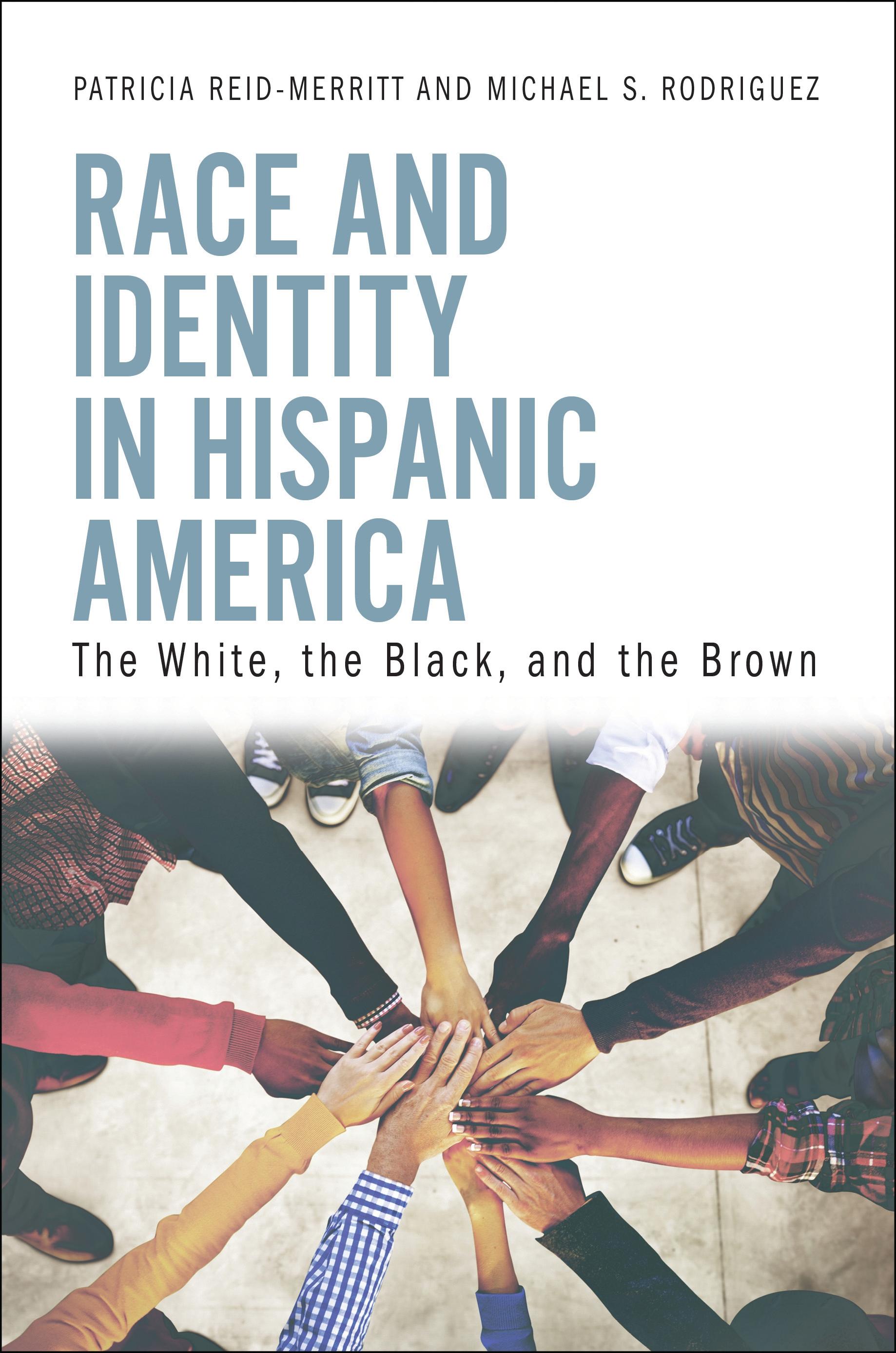
This book offers a historical and comparative overview of the evolution of racial classifications in the United States, Latin America, and the Caribbean.
The Hispanicization of America is precipitating a paradigm shift in racial thinking in which race is no longer defined by distinct characteristics but rather is becoming synonymous with ethnic/cultural identity.
Traditionally, assimilation has been conceived of as a unidirectional and racialized phenomenon. Newly arrived immigrant groups or longstanding minority/indigenous populations were "Americanized" in confining their racial and ethnic natures to the private sphere and adopting, in the public sphere, the cultural mores, norms, and values of the dominant cultural/racial group. In contrast, the Hispanicization of America entails the horizontal assimilation of various groups from Spanish-speaking countries throughout the Western Hemisphere and Caribbean into a pan-ethnic, Hispanic/Latino identity that also challenges the privileged position of whiteness as the primary and exclusive referent for American identity.
Instead of focusing on one Hispanic group, ethnic identity, or region, this book chronicles the development of racial identity across the largest Hispanic groups throughout the United States.
The Hispanicization of America is precipitating a paradigm shift in racial thinking in which race is no longer defined by distinct characteristics but rather is becoming synonymous with ethnic/cultural identity.
Traditionally, assimilation has been conceived of as a unidirectional and racialized phenomenon. Newly arrived immigrant groups or longstanding minority/indigenous populations were "Americanized" in confining their racial and ethnic natures to the private sphere and adopting, in the public sphere, the cultural mores, norms, and values of the dominant cultural/racial group. In contrast, the Hispanicization of America entails the horizontal assimilation of various groups from Spanish-speaking countries throughout the Western Hemisphere and Caribbean into a pan-ethnic, Hispanic/Latino identity that also challenges the privileged position of whiteness as the primary and exclusive referent for American identity.
Instead of focusing on one Hispanic group, ethnic identity, or region, this book chronicles the development of racial identity across the largest Hispanic groups throughout the United States.
Płać wygodnie kartą, Klarną, Apple Pay lub Google Pay. Nie jesteś zadowolony? Zawsze masz 14-dniową gwarancję zwrotu pieniędzy. Więcej przeczytasz w naszych warunkach. Masz pytania? Napisz do nas na hello@memmo.org.
Memmo ułatwia naukę – gdziekolwiek jesteś na świecie. U nas znajdziesz podręczniki i sprytne narzędzia do nauki w jednym miejscu: streszczenia, quizy, podcasty i fiszki. A do tego Ted, Twój kumpel do nauki, który odpowie na wszystko, co Cię nurtuje. Ponad 50 000 studentów już tu się uczy – stworzone, byś uczył się szybciej i mniej stresował.