
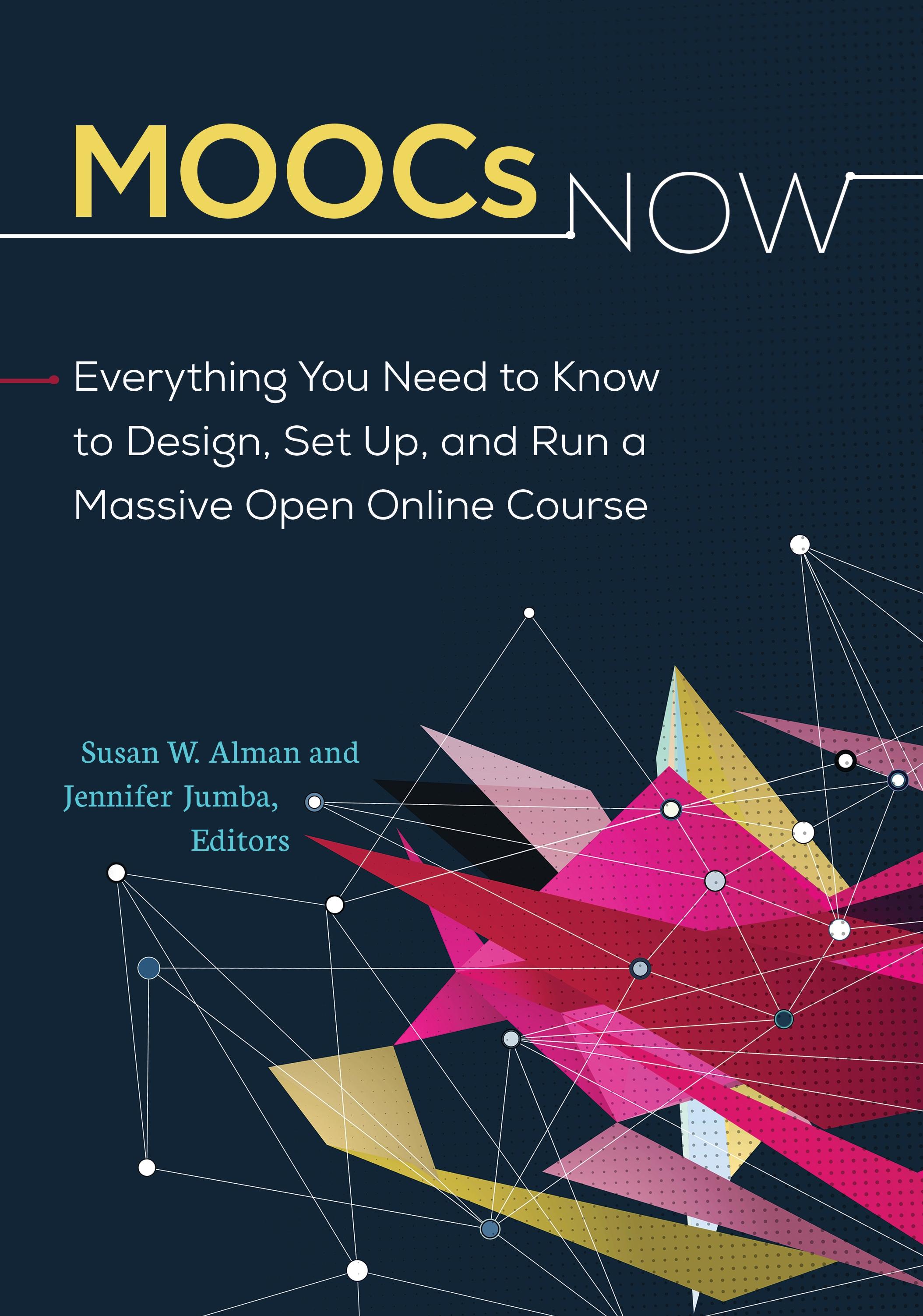
Learn from experts who have created and presented Massive Open Online Courses (MOOCs) that can reach a vast audience, and discover how to develop and present this new online form of continuing education.
MOOCs (Massive Open Online Courses) have become popular with eager learners as well as some educators wanting to test the boundaries of learning. Understandably, many educators approach MOOCs with trepidation and a number of questions. Are MOOCs simply a fad? Does this new venue threaten traditional higher education models? How are teachers to be remunerated for their efforts? And what can be done about student retention in an anonymous venue of a MOOC?
This book answers these questions and many more, offering a practical and realistic guide to MOOCs—one that will help anyone involved in higher education to better understand MOOCs and enable them to make decisions about whether and how to offer MOOCs. The authors address topics such as the various costs of offering a MOOC (teachers, developers, licensing, and software), explain accessibility options, examine the challenges of copyright and the administration required, and explore what the librarian's role should be. This insightful guide also explains your options for the presentation of text, video, and audio content; whether to give assignments or tests; and how to decide whether you should offer your MOOC for free or require a fee and offer a certificate upon course completion.
MOOCs (Massive Open Online Courses) have become popular with eager learners as well as some educators wanting to test the boundaries of learning. Understandably, many educators approach MOOCs with trepidation and a number of questions. Are MOOCs simply a fad? Does this new venue threaten traditional higher education models? How are teachers to be remunerated for their efforts? And what can be done about student retention in an anonymous venue of a MOOC?
This book answers these questions and many more, offering a practical and realistic guide to MOOCs—one that will help anyone involved in higher education to better understand MOOCs and enable them to make decisions about whether and how to offer MOOCs. The authors address topics such as the various costs of offering a MOOC (teachers, developers, licensing, and software), explain accessibility options, examine the challenges of copyright and the administration required, and explore what the librarian's role should be. This insightful guide also explains your options for the presentation of text, video, and audio content; whether to give assignments or tests; and how to decide whether you should offer your MOOC for free or require a fee and offer a certificate upon course completion.
Płać wygodnie kartą, Klarną, Apple Pay lub Google Pay. Nie jesteś zadowolony? Zawsze masz 14-dniową gwarancję zwrotu pieniędzy. Więcej przeczytasz w naszych warunkach. Masz pytania? Napisz do nas na hello@memmo.org.
Memmo ułatwia naukę – gdziekolwiek jesteś na świecie. U nas znajdziesz podręczniki i sprytne narzędzia do nauki w jednym miejscu: streszczenia, quizy, podcasty i fiszki. A do tego Ted, Twój kumpel do nauki, który odpowie na wszystko, co Cię nurtuje. Ponad 50 000 studentów już tu się uczy – stworzone, byś uczył się szybciej i mniej stresował.