
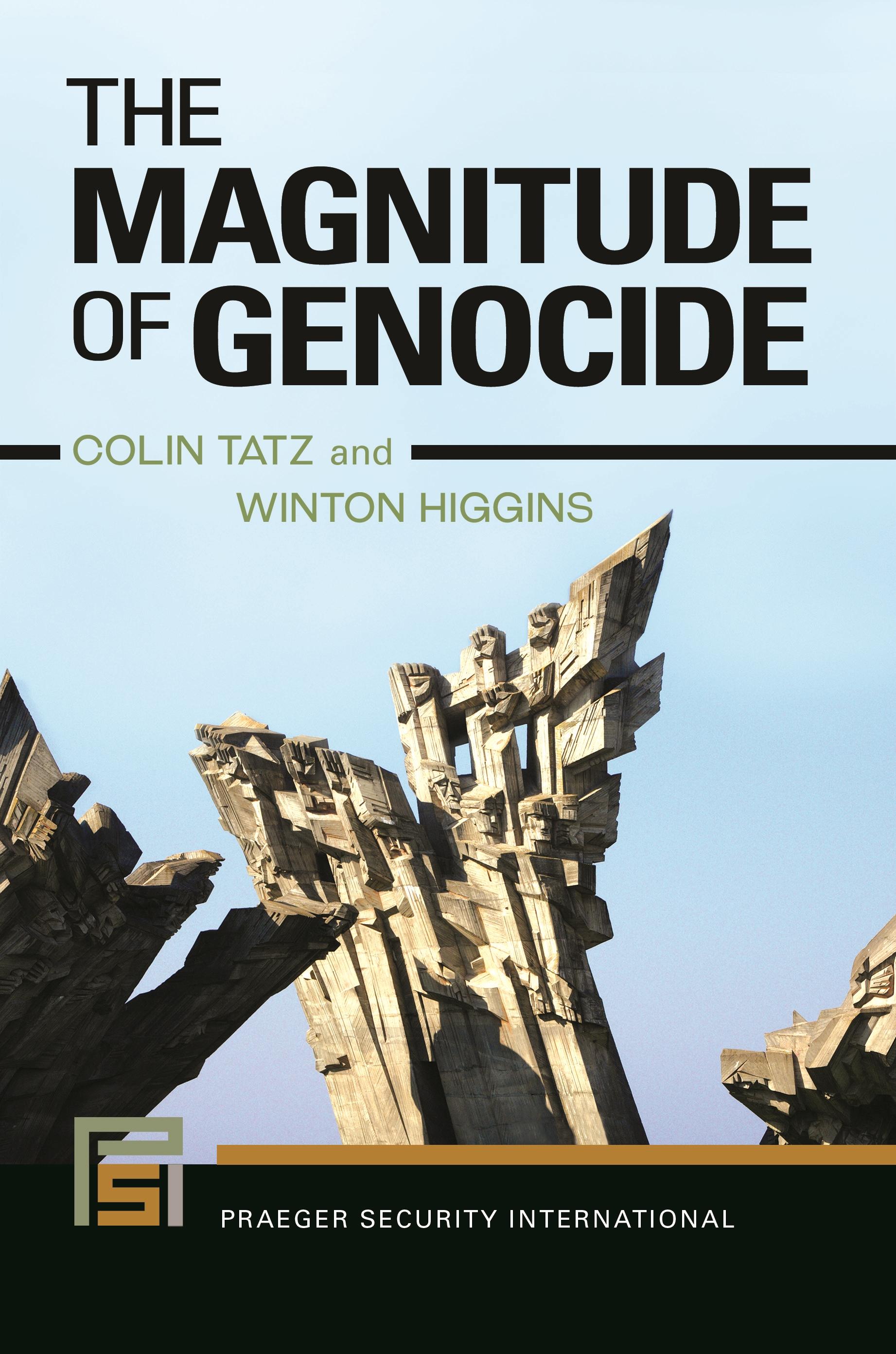
This book defines genocide, distinguishing it from mass murder, war crimes, and other atrocities; allows readers to grasp the magnitude of the crime of genocide across time and throughout human civilization; and facilitates an understanding of new and potential cases of genocide as they occur.
Recently, the topic of intervention against genocide has received attention in global politics and the national political discourse of major countries. The challenges in confronting genocide and attempting to make a positive change are manifold. Simply establishing an agreement on the legal definition of genocide—and distinguishing it from genocidal massacres, war crimes, and other crimes against humanity—is problematic. This book provides a valuable resource for students, scholars, and journalists when public awareness of, and interest in, genocide has reached unprecedented levels. Written in an accessible way for a broad readership, the book makes use of case studies to enable an understanding of emerging and potential genocide with the necessary depth of coverage to evaluate critically the ways in which the United Nations and national governments engage them.
Readers will understand the essential ingredients of genocide, from antiquity to the present, and grasp the extent of the crime across human history. A variety of case studies provides a means to measure genocidal magnitudes in terms of their intent and motive, geographical extent, pace, method, participants, outcomes, legacies, punishments, and reparations. A unique and crucial feature of the book is that it gives as much attention to the differences among genocides—for example, between a large-scale genocide like the Holocaust and the extermination of a 500-person Amazonian tribe—while still treating both within a single conceptual framework of genocide, without "discounting" the smaller case.
Recently, the topic of intervention against genocide has received attention in global politics and the national political discourse of major countries. The challenges in confronting genocide and attempting to make a positive change are manifold. Simply establishing an agreement on the legal definition of genocide—and distinguishing it from genocidal massacres, war crimes, and other crimes against humanity—is problematic. This book provides a valuable resource for students, scholars, and journalists when public awareness of, and interest in, genocide has reached unprecedented levels. Written in an accessible way for a broad readership, the book makes use of case studies to enable an understanding of emerging and potential genocide with the necessary depth of coverage to evaluate critically the ways in which the United Nations and national governments engage them.
Readers will understand the essential ingredients of genocide, from antiquity to the present, and grasp the extent of the crime across human history. A variety of case studies provides a means to measure genocidal magnitudes in terms of their intent and motive, geographical extent, pace, method, participants, outcomes, legacies, punishments, and reparations. A unique and crucial feature of the book is that it gives as much attention to the differences among genocides—for example, between a large-scale genocide like the Holocaust and the extermination of a 500-person Amazonian tribe—while still treating both within a single conceptual framework of genocide, without "discounting" the smaller case.
Płać wygodnie kartą, Klarną, Apple Pay lub Google Pay. Nie jesteś zadowolony? Zawsze masz 14-dniową gwarancję zwrotu pieniędzy. Więcej przeczytasz w naszych warunkach. Masz pytania? Napisz do nas na hello@memmo.org.
Memmo ułatwia naukę – gdziekolwiek jesteś na świecie. U nas znajdziesz podręczniki i sprytne narzędzia do nauki w jednym miejscu: streszczenia, quizy, podcasty i fiszki. A do tego Ted, Twój kumpel do nauki, który odpowie na wszystko, co Cię nurtuje. Ponad 50 000 studentów już tu się uczy – stworzone, byś uczył się szybciej i mniej stresował.