
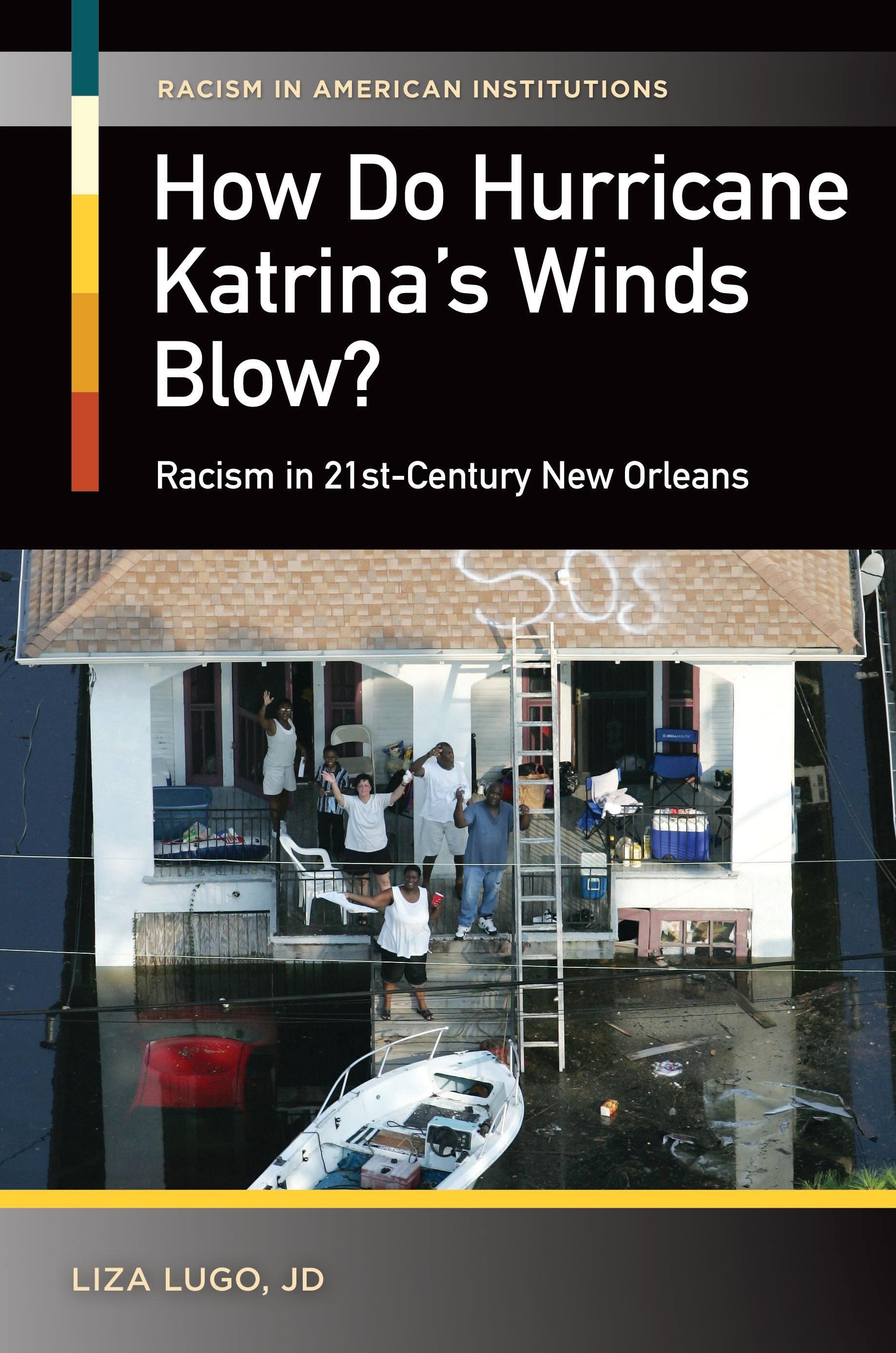
The disproportionate effect of Hurricane Katrina on African Americans was an outcome created by law and societal construct, not chance. This book takes a hard look at racial stratification in American today and debunks the myth that segregation is a thing of the past.
An outstanding resource for students of African American history, government policy, sociology, and human rights, as well as readers interested in socioeconomics in the United States today, this book examines why the divisions between the areas heavily damaged by Hurricane Katrina and those left unscathed largely coincided with the color lines in New Orleans neighborhoods; and establishes how African Americans have suffered for 400 years under an oppressive system that has created a permanent underclass of second-class citizenship.
Rather than focusing on the Katrina disaster itself, the author presents significant evidence of how government policy and structure, as well as societal mores, permitted and sanctioned the dehumanization of African Americans, purposefully placing them in disaster-prone areas—particularly, those in New Orleans. The historical context is framed within the construct of Hurricane Katrina and other hurricane catastrophes in New Orleans, demonstrating that Katrina was not an anomaly. For readers unfamiliar with the ugly existence of segregation in modern-day America, this book will likely shock and outrage as it sounds a call to both citizens and government to undertake the challenges we still face as a nation.
An outstanding resource for students of African American history, government policy, sociology, and human rights, as well as readers interested in socioeconomics in the United States today, this book examines why the divisions between the areas heavily damaged by Hurricane Katrina and those left unscathed largely coincided with the color lines in New Orleans neighborhoods; and establishes how African Americans have suffered for 400 years under an oppressive system that has created a permanent underclass of second-class citizenship.
Rather than focusing on the Katrina disaster itself, the author presents significant evidence of how government policy and structure, as well as societal mores, permitted and sanctioned the dehumanization of African Americans, purposefully placing them in disaster-prone areas—particularly, those in New Orleans. The historical context is framed within the construct of Hurricane Katrina and other hurricane catastrophes in New Orleans, demonstrating that Katrina was not an anomaly. For readers unfamiliar with the ugly existence of segregation in modern-day America, this book will likely shock and outrage as it sounds a call to both citizens and government to undertake the challenges we still face as a nation.
Płać wygodnie kartą, Klarną, Apple Pay lub Google Pay. Nie jesteś zadowolony? Zawsze masz 14-dniową gwarancję zwrotu pieniędzy. Więcej przeczytasz w naszych warunkach. Masz pytania? Napisz do nas na hello@memmo.org.
Memmo ułatwia naukę – gdziekolwiek jesteś na świecie. U nas znajdziesz podręczniki i sprytne narzędzia do nauki w jednym miejscu: streszczenia, quizy, podcasty i fiszki. A do tego Ted, Twój kumpel do nauki, który odpowie na wszystko, co Cię nurtuje. Ponad 50 000 studentów już tu się uczy – stworzone, byś uczył się szybciej i mniej stresował.