
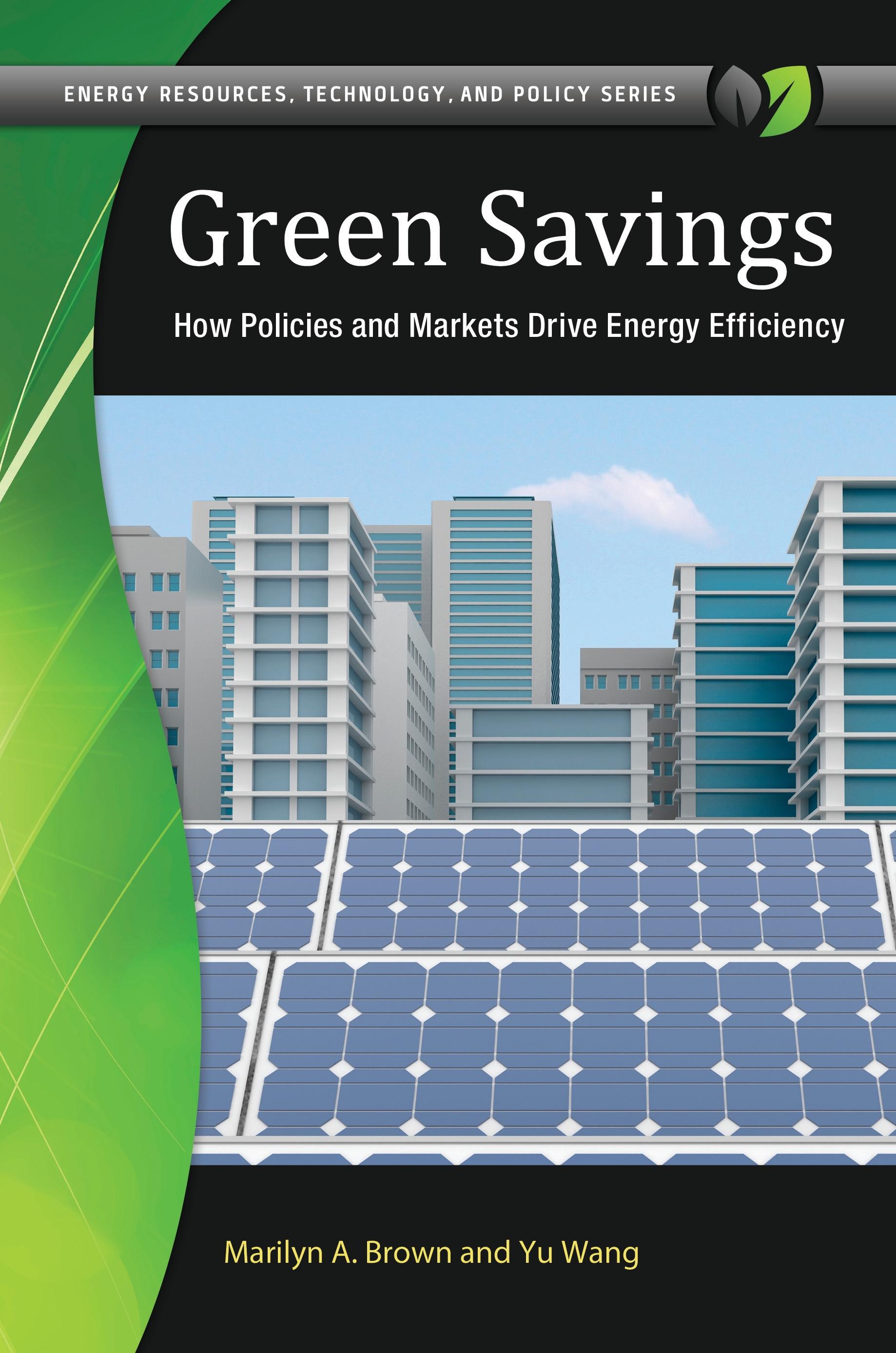
This landmark work lauds the benefits of decreased energy consumption, investigating its relationship to public policy and analyzing its potential billion-dollar benefits to the U.S. economy.
U.S. consumers tend to use energy indiscriminately—something they may no longer be able to do with impunity. This game-changing book asserts that reducing energy consumption should be a frontline strategy to address global climate change, threats to energy security, and the challenge of grid reliability. The book supports two bold arguments: that policies motivating greater investment in high energy efficiency should be a priority, and that energy efficiency can help the nation in times of crisis.
To make their case for the necessity of prioritizing demand reduction, the authors examine the policies and markets operating in a number of leading cities, states, and nations across the globe to uncover the keys to their success. These examples show how demand-side strategies can significantly reduce pollution, cut costs, and make the electric grid more resilient. The authors explain why these technologies are not widely adopted and assess the potential savings they can produce. The book will be an eye-opener for policymakers, energy professionals, and the public as it demonstrates how cost-effective demand reduction policies can improve air quality, strengthen electricity markets, and generate jobs.
U.S. consumers tend to use energy indiscriminately—something they may no longer be able to do with impunity. This game-changing book asserts that reducing energy consumption should be a frontline strategy to address global climate change, threats to energy security, and the challenge of grid reliability. The book supports two bold arguments: that policies motivating greater investment in high energy efficiency should be a priority, and that energy efficiency can help the nation in times of crisis.
To make their case for the necessity of prioritizing demand reduction, the authors examine the policies and markets operating in a number of leading cities, states, and nations across the globe to uncover the keys to their success. These examples show how demand-side strategies can significantly reduce pollution, cut costs, and make the electric grid more resilient. The authors explain why these technologies are not widely adopted and assess the potential savings they can produce. The book will be an eye-opener for policymakers, energy professionals, and the public as it demonstrates how cost-effective demand reduction policies can improve air quality, strengthen electricity markets, and generate jobs.
Strony: 304
Kategoria: Ekonomi & Utveckling
e-ISBN: 9798216092124
Waga przesyłki: 1.2 kg
Wysyłka w ciągu: 1-2 dni
Płać wygodnie kartą, Klarną, Apple Pay lub Google Pay. Nie jesteś zadowolony? Zawsze masz 14-dniową gwarancję zwrotu pieniędzy. Więcej przeczytasz w naszych warunkach. Masz pytania? Napisz do nas na hello@memmo.org.
Memmo ułatwia naukę – gdziekolwiek jesteś na świecie. U nas znajdziesz podręczniki i sprytne narzędzia do nauki w jednym miejscu: streszczenia, quizy, podcasty i fiszki. A do tego Ted, Twój kumpel do nauki, który odpowie na wszystko, co Cię nurtuje. Ponad 50 000 studentów już tu się uczy – stworzone, byś uczył się szybciej i mniej stresował.