
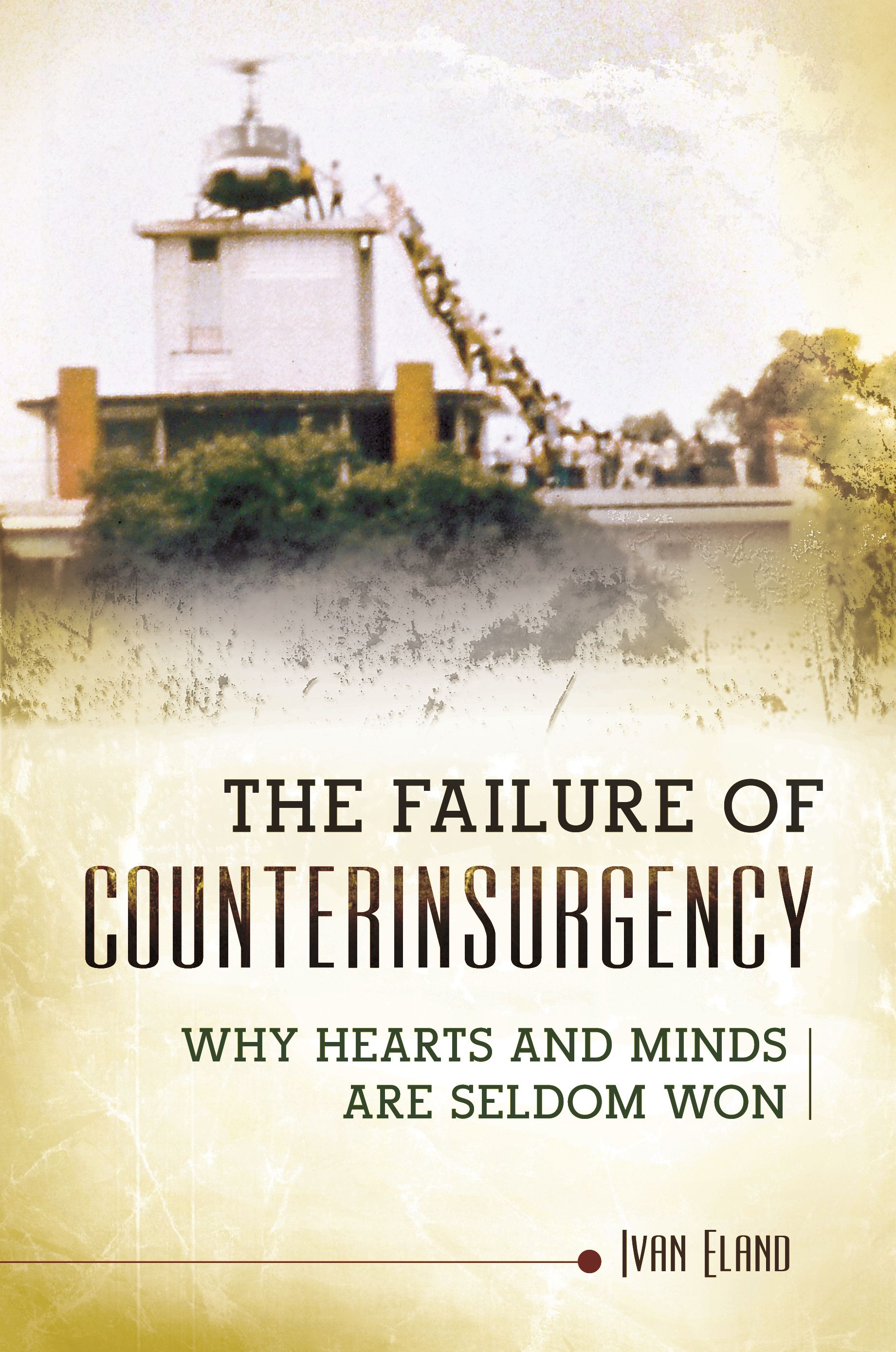
This book examines the implications of counterinsurgency warfare for U.S. defense policy and makes the compelling argument that the United States' default position on counterinsurgency wars should be to avoid them.
Given the unsatisfactory outcomes of the counterinsurgency (COIN) wars in Afghanistan and Iraq, the U.S. military is now in a heated debate over whether wars involving COIN operations are worth fighting. This book provides a comprehensive analysis of the effectiveness of COIN through key historic episodes and concludes that the answer is an emphatic "no," based on a dominant record of U.S. military or political failure, and inconsistency in the reasons for the rare cases of success. The author also examines the implications of his findings for U.S. foreign policy, defense policy, and future weapons procurement.
Given the unsatisfactory outcomes of the counterinsurgency (COIN) wars in Afghanistan and Iraq, the U.S. military is now in a heated debate over whether wars involving COIN operations are worth fighting. This book provides a comprehensive analysis of the effectiveness of COIN through key historic episodes and concludes that the answer is an emphatic "no," based on a dominant record of U.S. military or political failure, and inconsistency in the reasons for the rare cases of success. The author also examines the implications of his findings for U.S. foreign policy, defense policy, and future weapons procurement.
Płać wygodnie kartą, Klarną, Apple Pay lub Google Pay. Nie jesteś zadowolony? Zawsze masz 14-dniową gwarancję zwrotu pieniędzy. Więcej przeczytasz w naszych warunkach. Masz pytania? Napisz do nas na hello@memmo.org.
Memmo ułatwia naukę – gdziekolwiek jesteś na świecie. U nas znajdziesz podręczniki i sprytne narzędzia do nauki w jednym miejscu: streszczenia, quizy, podcasty i fiszki. A do tego Ted, Twój kumpel do nauki, który odpowie na wszystko, co Cię nurtuje. Ponad 50 000 studentów już tu się uczy – stworzone, byś uczył się szybciej i mniej stresował.