
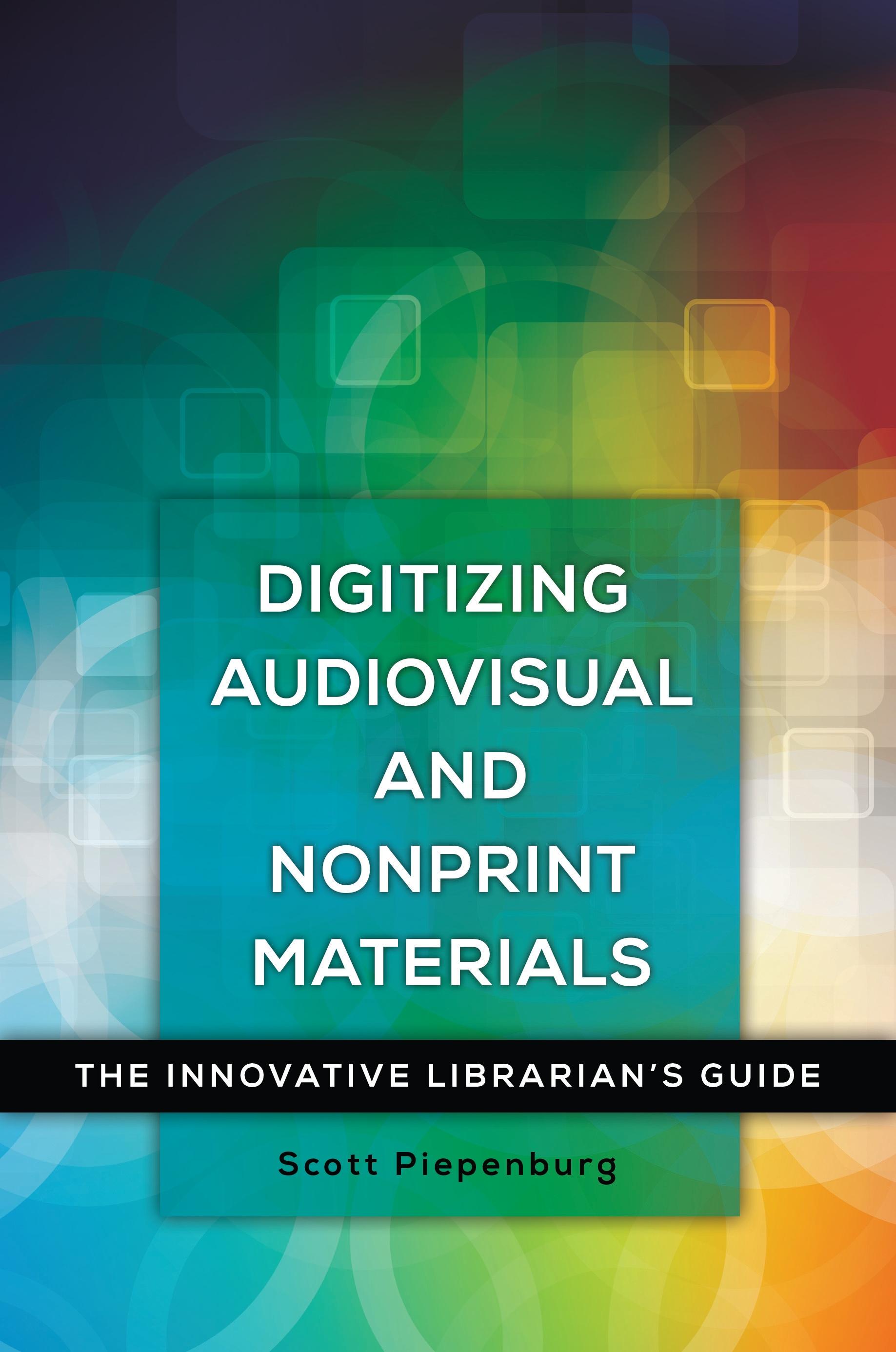
AV collections in libraries are disintegrating, and their playback equipment is soon to be obsolete. Digitizing can be the solution to decay and for continued access.
Why give up on at-risk treasures of your AV collection when you can easily digitize them in house? This guide walks you through the process of planning and implementing digitization projects for the common formats libraries have collected over the last 30 or 40 years. It guides first-time users in setting up a facility to convert analog tapes and records into a digital form, explaining how to clean up those sources to produce a high-quality output for end-users. The same theories and skills are applied to the visual domain so you can convert VHS, Beta, U-Matic, and laserdiscs into archival visual formats.
A unique feature of the book is that it will help you understand the process without having to become a techno-geek. Basic information on computer hardware and software is discussed, including the equipment needed to digitize various formats. Techniques for capturing, editing, storing, and making digitized files available to patrons are also covered. Because budgets are always a concern, the work looks at ways you can leverage current resources and facilities with minimal outlay of capital to start a project, and it offers practical guidance on how to maintain the information long term.
Why give up on at-risk treasures of your AV collection when you can easily digitize them in house? This guide walks you through the process of planning and implementing digitization projects for the common formats libraries have collected over the last 30 or 40 years. It guides first-time users in setting up a facility to convert analog tapes and records into a digital form, explaining how to clean up those sources to produce a high-quality output for end-users. The same theories and skills are applied to the visual domain so you can convert VHS, Beta, U-Matic, and laserdiscs into archival visual formats.
A unique feature of the book is that it will help you understand the process without having to become a techno-geek. Basic information on computer hardware and software is discussed, including the equipment needed to digitize various formats. Techniques for capturing, editing, storing, and making digitized files available to patrons are also covered. Because budgets are always a concern, the work looks at ways you can leverage current resources and facilities with minimal outlay of capital to start a project, and it offers practical guidance on how to maintain the information long term.
Płać wygodnie kartą, Klarną, Apple Pay lub Google Pay. Nie jesteś zadowolony? Zawsze masz 14-dniową gwarancję zwrotu pieniędzy. Więcej przeczytasz w naszych warunkach. Masz pytania? Napisz do nas na hello@memmo.org.
Memmo ułatwia naukę – gdziekolwiek jesteś na świecie. U nas znajdziesz podręczniki i sprytne narzędzia do nauki w jednym miejscu: streszczenia, quizy, podcasty i fiszki. A do tego Ted, Twój kumpel do nauki, który odpowie na wszystko, co Cię nurtuje. Ponad 50 000 studentów już tu się uczy – stworzone, byś uczył się szybciej i mniej stresował.