
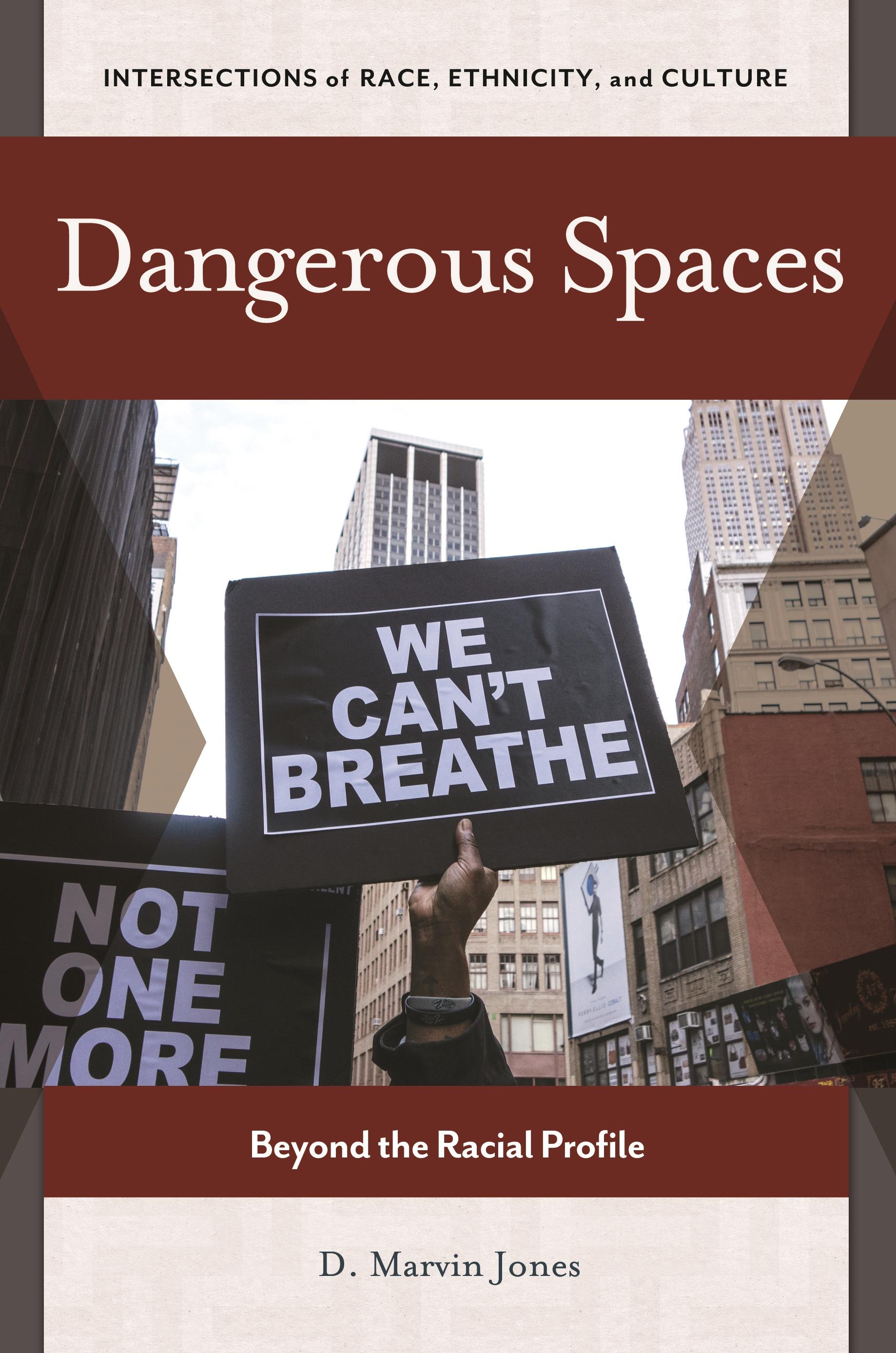
An eye-opening, unapologetic explanation of what "racial profiling" is in modern-day America: systematic targeting of communities and placing of suspicion on populations, on the basis of not only ethnicity but also certain places that are linked to the social identity of that group.
In 21st-century, post–civil rights era America, "race" has become complex and intersectional. It is no longer simply a matter of color—black versus white—contends author D. Marvin Jones, but equally a matter of space or "geographies of fear," which he defines as spaces in which different groups are particularly vulnerable to stereotyping by law enforcement: blacks in the urban ghetto, Mexicans at the functional equivalent of the border, Arabs at the airport.
Dangerous Spaces: Beyond the Racial Profile demonstrates how society has constructed a set of threat narratives in which certain widespread problems—immigration, drugs, gangs, and terrorism, for example—have been racialized and explains the historical and social origins of these racializing threat narratives. The book identifies how these narratives have led directly to relentless profiling that results in arrest, deportation, massive surveillance, or even death for members of suspect populations. Readers will come to understand how the problem of profiling is not merely a problem of institutional bias and individual decision making, but also a deeply rooted cultural issue stemming from the processes of meaning-making and identity construction.
In 21st-century, post–civil rights era America, "race" has become complex and intersectional. It is no longer simply a matter of color—black versus white—contends author D. Marvin Jones, but equally a matter of space or "geographies of fear," which he defines as spaces in which different groups are particularly vulnerable to stereotyping by law enforcement: blacks in the urban ghetto, Mexicans at the functional equivalent of the border, Arabs at the airport.
Dangerous Spaces: Beyond the Racial Profile demonstrates how society has constructed a set of threat narratives in which certain widespread problems—immigration, drugs, gangs, and terrorism, for example—have been racialized and explains the historical and social origins of these racializing threat narratives. The book identifies how these narratives have led directly to relentless profiling that results in arrest, deportation, massive surveillance, or even death for members of suspect populations. Readers will come to understand how the problem of profiling is not merely a problem of institutional bias and individual decision making, but also a deeply rooted cultural issue stemming from the processes of meaning-making and identity construction.
Płać wygodnie kartą, Klarną, Apple Pay lub Google Pay. Nie jesteś zadowolony? Zawsze masz 14-dniową gwarancję zwrotu pieniędzy. Więcej przeczytasz w naszych warunkach. Masz pytania? Napisz do nas na hello@memmo.org.
Memmo ułatwia naukę – gdziekolwiek jesteś na świecie. U nas znajdziesz podręczniki i sprytne narzędzia do nauki w jednym miejscu: streszczenia, quizy, podcasty i fiszki. A do tego Ted, Twój kumpel do nauki, który odpowie na wszystko, co Cię nurtuje. Ponad 50 000 studentów już tu się uczy – stworzone, byś uczył się szybciej i mniej stresował.