
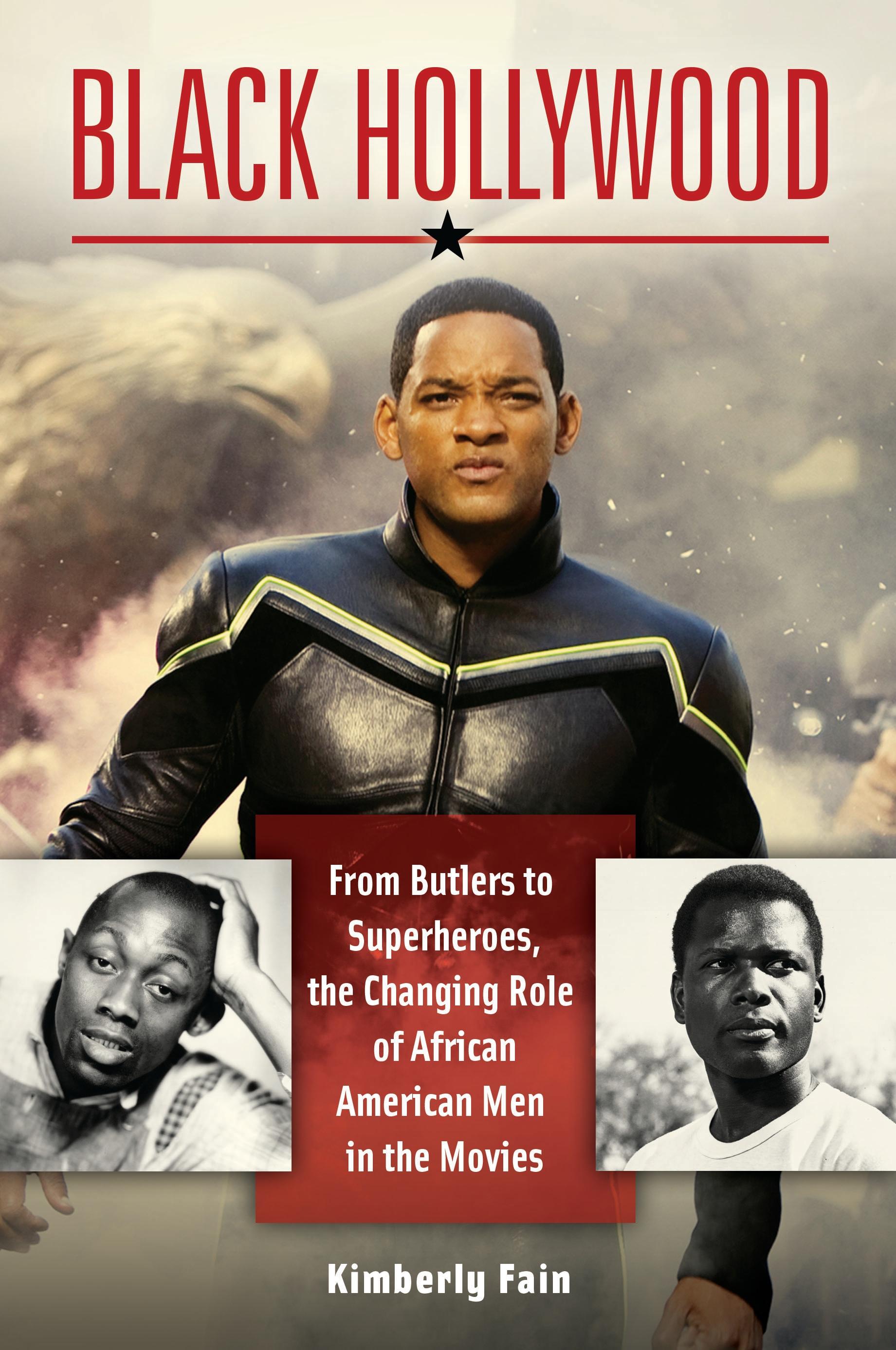
This thought-provoking work examines the dehumanizing depictions of black males in the movies since 1910, analyzing images that were once imposed on black men and are now appropriated and manipulated by them.
Moving through cinematic history decade by decade since 1910, this important volume explores the appropriation, exploitation, and agency of black performers in Hollywood by looking at the black actors, directors, and producers who have shaped the image of African American males in film. To determine how these archetypes differentiate African American males in the public's subconscious, the book asks probing questions—for example, whether these images are a reflection of society's fears or realistic depictions of a pluralistic America.
Even as the work acknowledges the controversial history of black representation in film, it also celebrates the success stories of blacks in the industry. It shows how blacks in Hollywood manipulate degrading stereotypes, gain control, advance their careers, and earn money while making social statements or bringing about changes in culture. It discusses how social activist performers—such as Paul Robeson, Sidney Poitier, Harry Belafonte, and Spike Lee—reflect political and social movements in their movies, and it reviews the interactions between black actors and their white counterparts to analyze how black males express their heritage, individual identity, and social issues through film.
Moving through cinematic history decade by decade since 1910, this important volume explores the appropriation, exploitation, and agency of black performers in Hollywood by looking at the black actors, directors, and producers who have shaped the image of African American males in film. To determine how these archetypes differentiate African American males in the public's subconscious, the book asks probing questions—for example, whether these images are a reflection of society's fears or realistic depictions of a pluralistic America.
Even as the work acknowledges the controversial history of black representation in film, it also celebrates the success stories of blacks in the industry. It shows how blacks in Hollywood manipulate degrading stereotypes, gain control, advance their careers, and earn money while making social statements or bringing about changes in culture. It discusses how social activist performers—such as Paul Robeson, Sidney Poitier, Harry Belafonte, and Spike Lee—reflect political and social movements in their movies, and it reviews the interactions between black actors and their white counterparts to analyze how black males express their heritage, individual identity, and social issues through film.
Płać wygodnie kartą, Klarną, Apple Pay lub Google Pay. Nie jesteś zadowolony? Zawsze masz 14-dniową gwarancję zwrotu pieniędzy. Więcej przeczytasz w naszych warunkach. Masz pytania? Napisz do nas na hello@memmo.org.
Memmo ułatwia naukę – gdziekolwiek jesteś na świecie. U nas znajdziesz podręczniki i sprytne narzędzia do nauki w jednym miejscu: streszczenia, quizy, podcasty i fiszki. A do tego Ted, Twój kumpel do nauki, który odpowie na wszystko, co Cię nurtuje. Ponad 50 000 studentów już tu się uczy – stworzone, byś uczył się szybciej i mniej stresował.